Trip Overview
Discover the Iconic Annapurna Base Camp Trek in the Himalayas
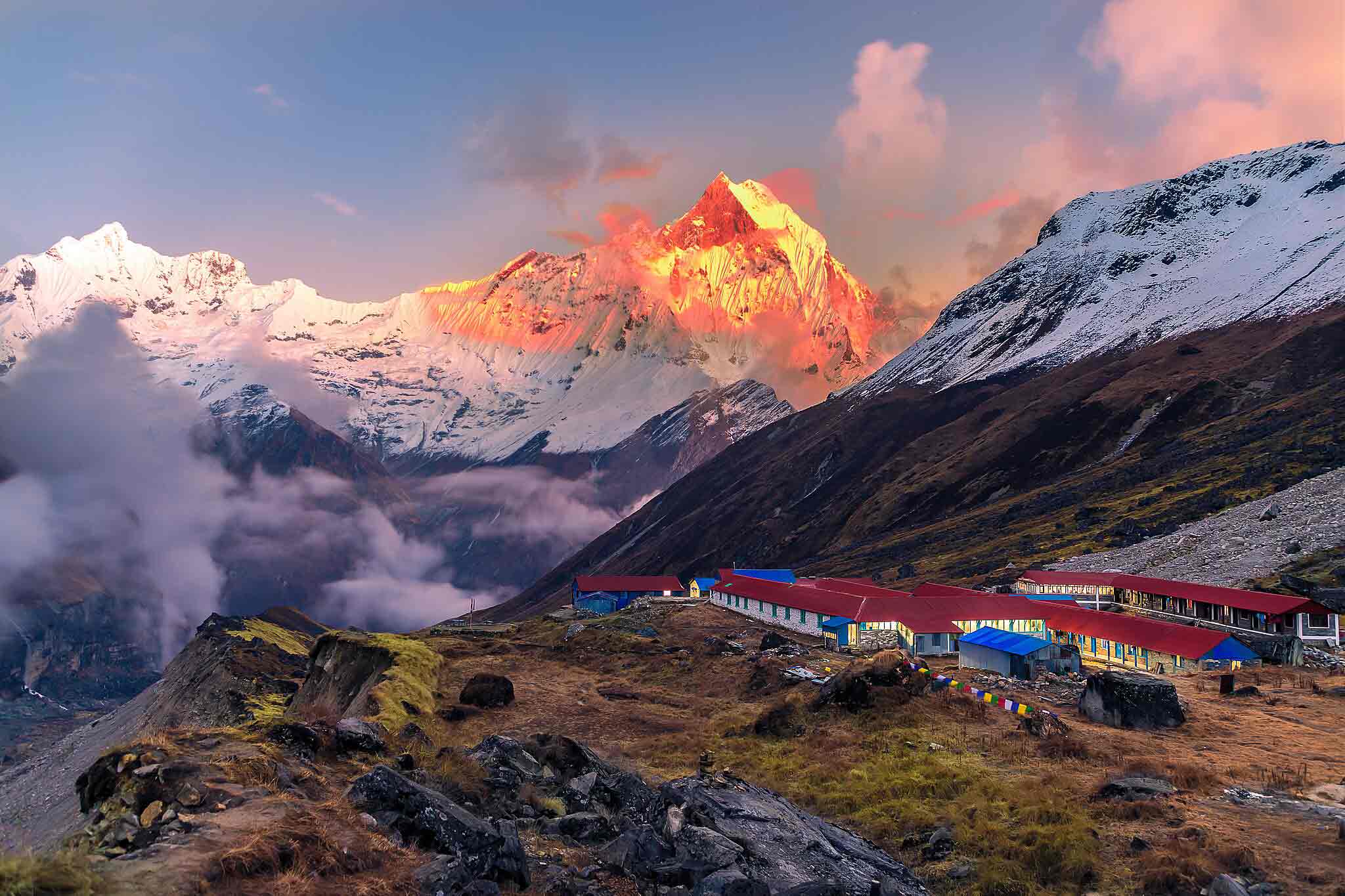
The Annapurna Base Camp Trek in Nepal is one of the most famous and rewarding trekking experiences in the world. This unforgettable Himalayan journey takes you deep into the heart of the Annapurna Sanctuary, leading to the base of the majestic Annapurna I (8,091m)—one of the highest peaks on Earth.
Surrounded by dramatic mountain landscapes, glaciers, waterfalls, and traditional villages, the ABC Trek offers a perfect blend of natural beauty, cultural richness, and adventure trekking in Nepal.
Starting Point of Annapurna Base Camp Trek: Pokhara to Nayapul
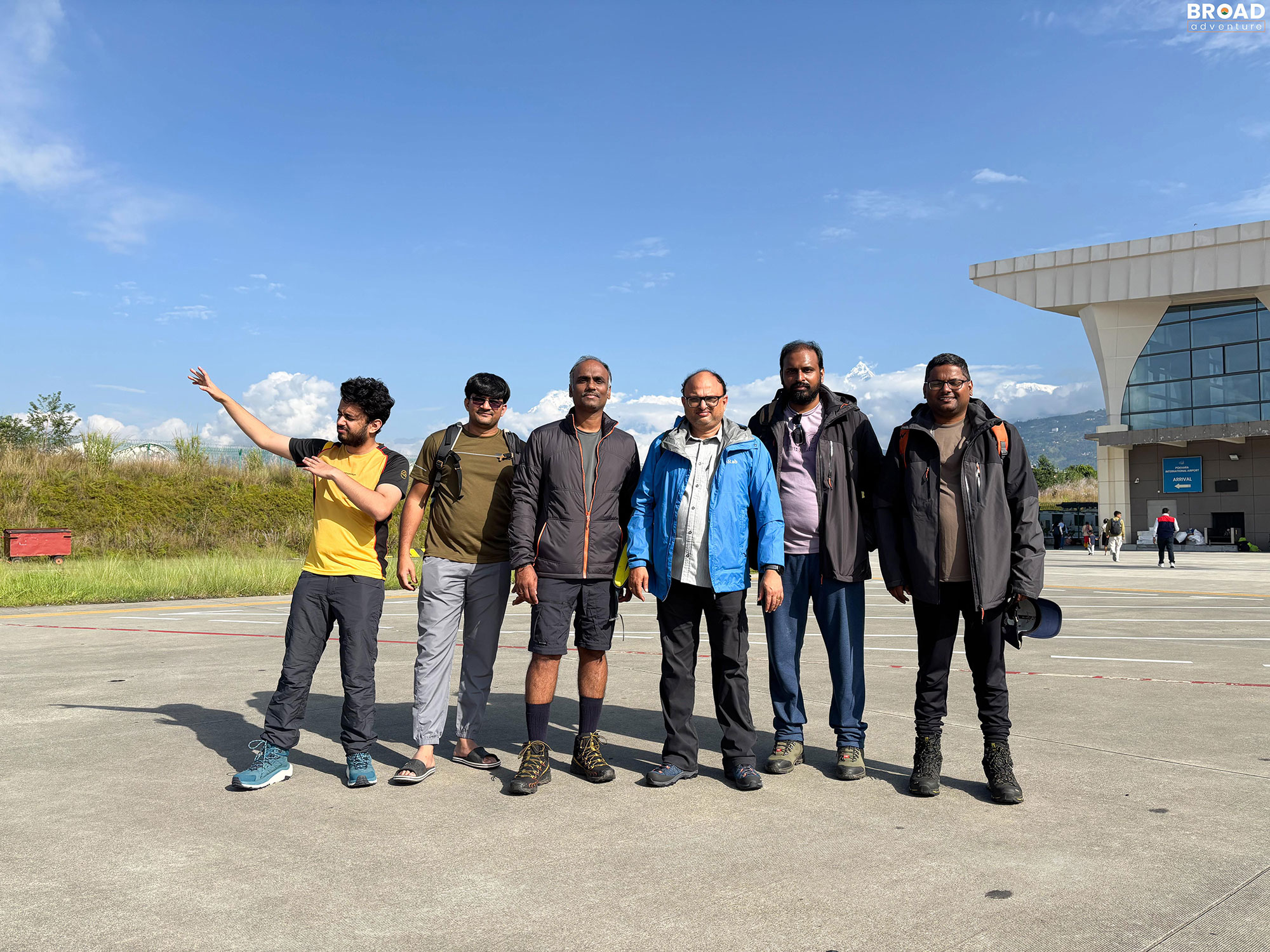
Your adventure begins in the scenic lakeside city of Pokhara, followed by a short and beautiful drive to Nayapul, the official starting point of the trek.
Along the route, trekkers enjoy breathtaking views of the Annapurna mountain range, lush green hills, and iconic viewpoints such as the Peace Pagoda (World Peace Stupa). This journey sets the tone for an immersive Himalayan trekking experience.
Diverse Landscapes and Cultural Villages on the ABC Trek Route
The Annapurna Base Camp trekking route is known for its incredible diversity. Trekkers pass through:
- Traditional Gurung and Magar villages
- Terraced rice fields and stone staircases
- Deep river valleys and suspension bridges
- Natural hot springs and cascading waterfalls
Challenging uphill sections such as Ulleri, Chhomrong, and Sinuwa test endurance while rewarding trekkers with stunning Himalayan scenery.
Forest Trails, Wildlife, and Natural Beauty in Annapurna Sanctuary
As you ascend higher, the trail enters lush rhododendron and bamboo forests, especially beautiful during spring bloom.
Wildlife sightings may include:
- Langur monkeys
- Himalayan blue sheep
- Rare red panda (occasional sighting)
The changing landscapes—from subtropical forests to alpine terrain—make the ABC Trek one of the most visually diverse trekking routes in Nepal.
Panoramic Himalayan Views on Annapurna Base Camp Trek
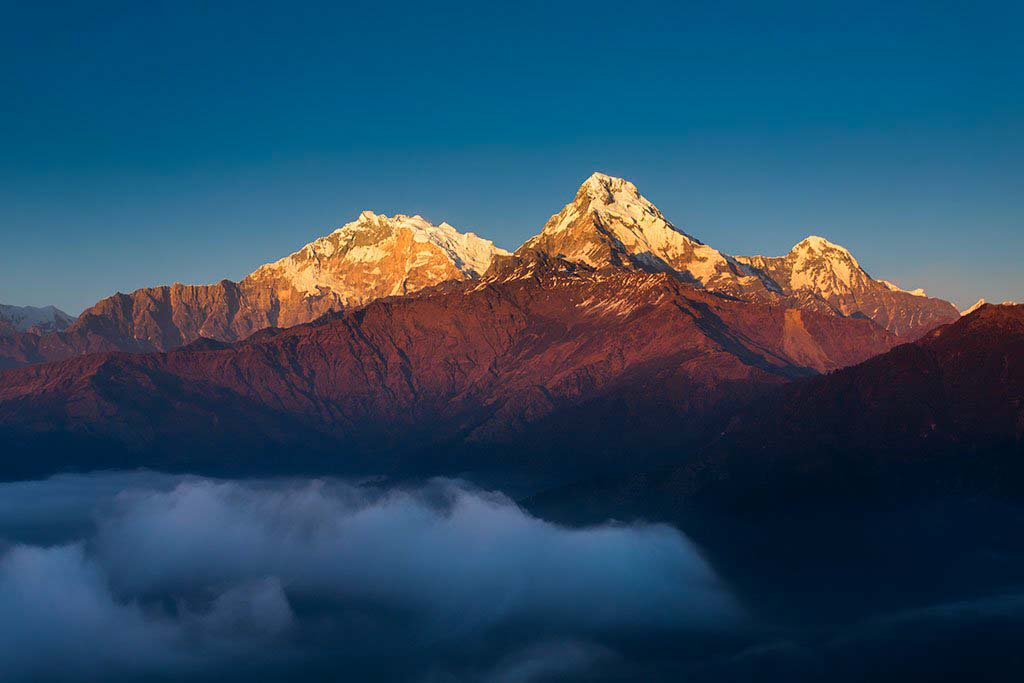
One of the biggest highlights of the ABC Trek in Nepal is the panoramic mountain views. You will witness some of the world’s most iconic Himalayan peaks, including:
- Annapurna I (8,091m)
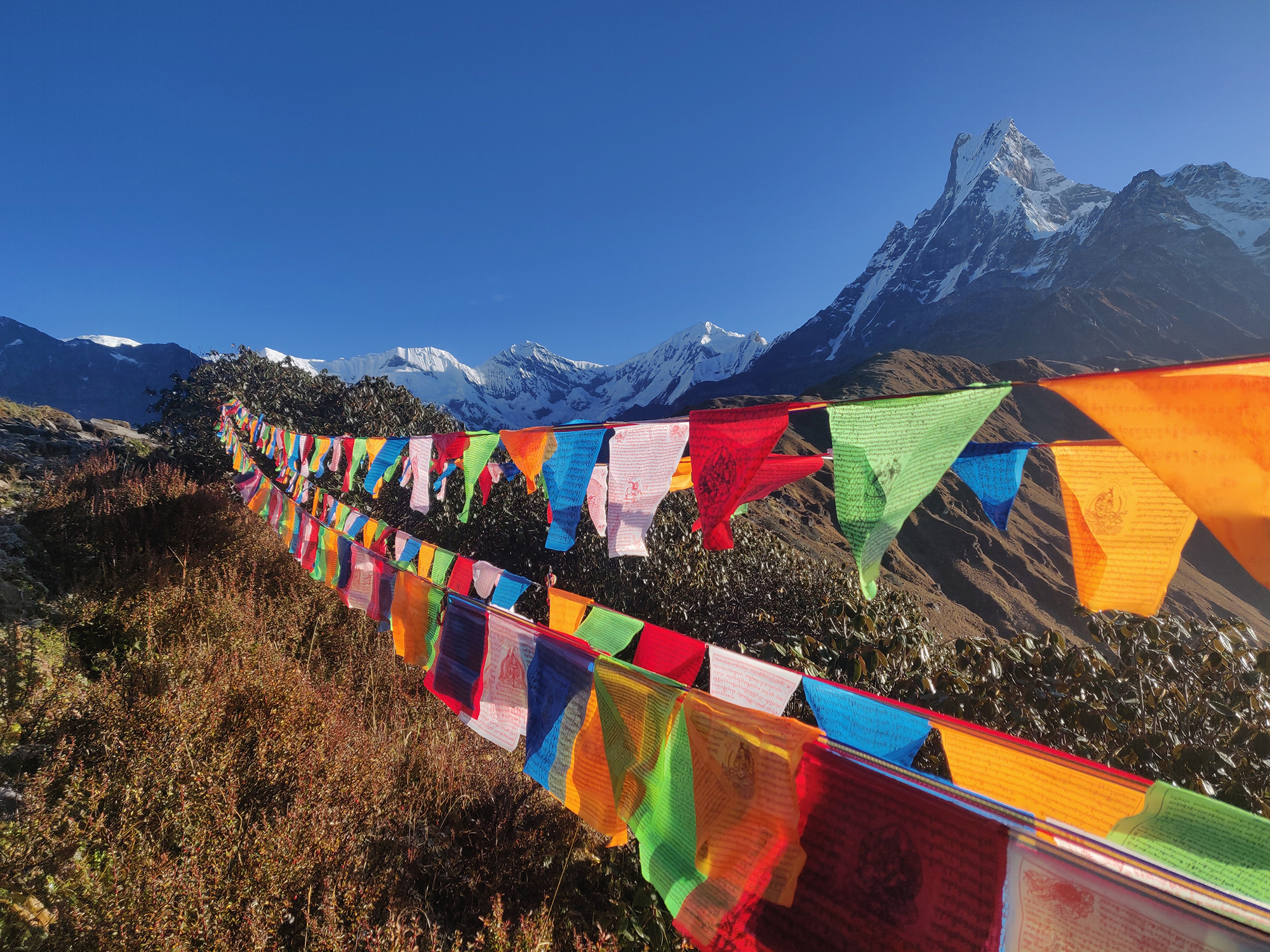
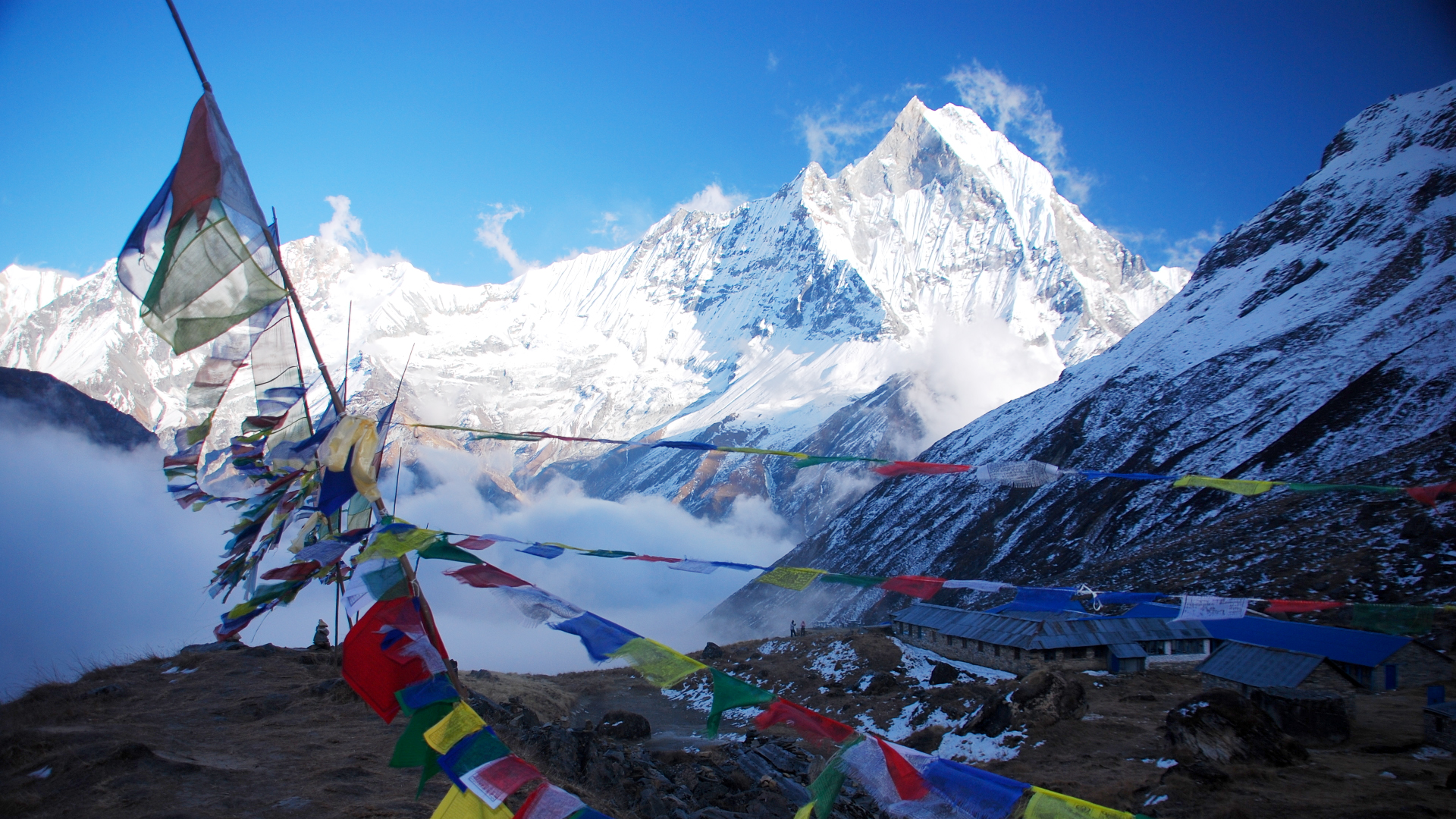
- Machhapuchhre / Fishtail (6,993m)
- Annapurna South (7,219m)
- Hiunchuli (6,441m)
- Dhaulagiri (8,167m) (visible from nearby viewpoints like Poon Hill)
The sunrise view from Poon Hill is especially famous for its golden Himalayan panorama.
Annapurna Base Camp (4,130m): The Ultimate Destination
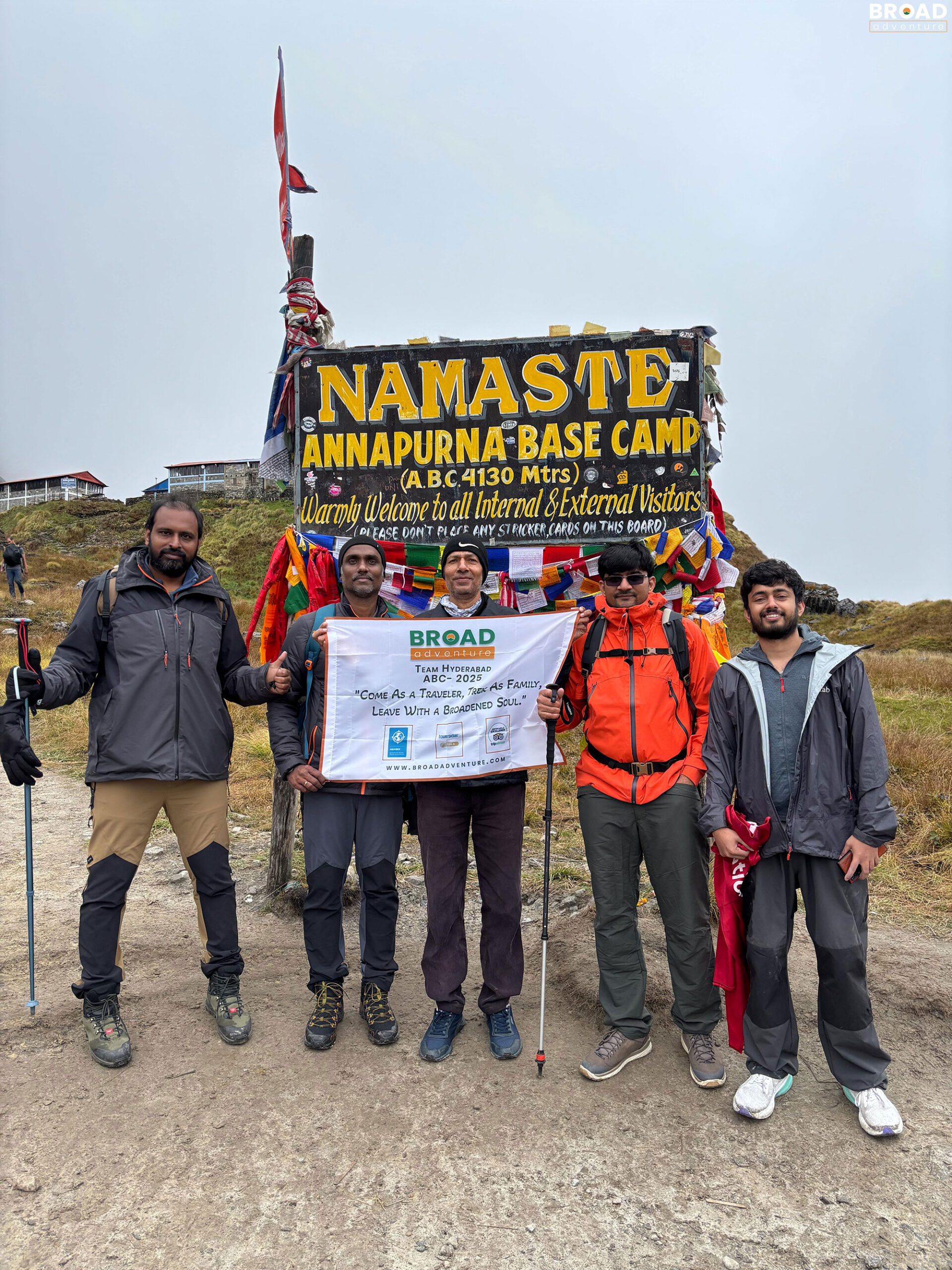
After several days of trekking, you finally reach the Annapurna Base Camp at 4,130 meters (13,550 feet). Surrounded by a natural amphitheater of towering peaks and glaciers, this is the emotional and visual highlight of the entire journey.
The base camp offers one of the most dramatic mountain settings in the world, making it a dream destination for trekkers, photographers, and adventure lovers.
Trek Duration and Difficulty Level
The Annapurna Base Camp Trek typically takes 7 to 12 days, depending on the itinerary.
- Difficulty Level: Moderate
- Fitness Requirement: Good physical fitness is recommended
- Best For: Beginners with preparation and experienced trekkers
Proper acclimatization ensures a safe and enjoyable Himalayan trekking experience.
Return Journey: Pokhara and Kathmandu Experience
After completing the trek, you return to the beautiful city of Pokhara, a major tourism hub in Nepal.
Popular attractions include:
- Phewa Lake & Tal Barahi Temple
- International Mountain Museum
- Seti River Gorge
- Gorkha Museum
Many trekkers also return to Kathmandu, completing their Nepal adventure with cultural sightseeing and heritage exploration.
Why Choose Annapurna Base Camp Trek in Nepal?
- One of the most popular trekking routes in Nepal
- Combines mountains, culture, and biodiversity
- Suitable for beginners and experienced trekkers
- Stunning views of the Annapurna Himalaya range
- Rich cultural experience in Gurung villages
A Once-in-a-Lifetime Himalayan Journey
The Annapurna Base Camp Trek in Nepal is more than just a trek—it is a transformative journey through some of the most spectacular landscapes on Earth. From lush forests and traditional villages to glacial valleys and towering Himalayan peaks, every step reveals the unmatched beauty of Nepal.
Whether you are a first-time trekker or a seasoned adventurer, the ABC Trek promises unforgettable memories, breathtaking scenery, and a deep connection with the Himalayas.
Tour Highlight
- Picturesque view of Mountains and Himalayan Valleys
- Beautiful Pokhara Sightseeing
- Awesome view of Poon Hill
- Typical Gurung Village in Ghandruk
- Natural Hot Spring Jhinu
- Exploring the Fishtail Base Camp
Trip Facts
 Group Size: 1-15 PAX
  Duration: 15 Days
Highest Elevation: 4130M
Duration: 15 Days
Highest Elevation: 4130M  Accomodation: Hotel & Guest House
  Trip Start: Kathmandu
  Trip End: Kathmandu
  Average Dist. per Day: 12KM
  Average Time per Day: 6hrs
  Trip Grading: Moderate
 Trip Itinerary Expand All
Arrival in Nepal | Airport Pickup & Hotel Transfer
Welcome to Nepal, the land of the Himalayas and rich cultural heritage.
Upon your arrival at:
Tribhuvan International Airport
Our representative will warmly welcome you at the airport and transfer you to your hotel in Kathmandu.
During the drive, you will get your first glimpse of the vibrant capital city and its unique blend of ancient culture and modern life.
After hotel check-in, you can relax and recover from your journey or explore the nearby area at your leisure. Your trekking and tour briefing will follow according to the itinerary schedule.
We wish you a wonderful stay and an unforgettable adventure in Nepal.
Pre-trip meeting and sightseeing around Kathmandu valley
After the briefing, the day continues with a guided Kathmandu sightseeing tour, covering some of the most iconic UNESCO World Heritage Sites and cultural landmarks in Nepal.
Pashupatinath Temple – Sacred Hindu Pilgrimage Site
Pashupatinath Temple is one of the most sacred Hindu temples in the world and a major pilgrimage destination.
Located on the banks of the holy Bagmati River, this temple is dedicated to Lord Shiva (Pashupati). According to Hindu mythology, it is one of the most important spiritual sites (Char Dham concept in broader tradition).
Visitors can observe:
- Traditional Hindu rituals
- Cremation ceremonies along the riverbank
- Spiritual practices and temple architecture
It offers a deep insight into Hindu beliefs about life, death, and rebirth.
Boudhanath Stupa – Center of Tibetan Buddhism
Boudhanath Stupa is one of the largest Buddhist stupas in the world and a major center of Tibetan Buddhism in Nepal.
Surrounded by monasteries and prayer wheels, the stupa is a peaceful spiritual hub where visitors can:
- Observe Buddhist monks in daily rituals
- Learn about Buddhist philosophy
- Explore traditional Thanka paintings and art
- Experience the calming atmosphere of chanting and prayer
It is one of the most powerful spiritual experiences in Kathmandu.
Bhaktapur Durbar Square – Ancient Royal Heritage City
Bhaktapur Durbar Square is a UNESCO World Heritage Site and one of the best-preserved medieval royal palace complexes in Nepal.
This historic square reflects the glory of the ancient Malla Kingdom and is famous for its rich architecture and cultural heritage.
Major attractions include:
- Nyatapola Temple – the tallest pagoda-style temple in Nepal
- 55-Window Palace
- Golden Gate (Sun Dhoka)
- Lion Gate
- Statue of King Bhupatindra Malla
- Traditional pottery square where local artisans work
Bhaktapur is often called a “living museum” due to its preserved culture and craftsmanship.
Evening Preparation for the Trek
After completing the cultural tour, you return to your hotel in Kathmandu. The evening is dedicated to:
- Final luggage checking and packing for the trek
- Reviewing trekking equipment
- Personal preparation for departure
If you wish, you can also explore the vibrant streets of Thamel, known for its trekking shops, cafes, and restaurants.
Choose a comfortable restaurant for dinner and rest well before your Himalayan adventure begins.
Drive to Tikhedhunga (1,570m) & Trek to Ulleri | Annapurna Region Trek Day
Travel from Kathmandu to Pokhara is an essential part of the Annapurna region journey. Trekkers can choose between flight, tourist bus, or private vehicle depending on time, comfort, and budget.
Option 1: Flight (Fastest & Most Comfortable)
A domestic flight is the quickest and most convenient way to reach Pokhara.
- Duration: ~25–30 minutes
- Experience: Scenic aerial views of the Himalayas (weather permitting)
- Comfort: High
- Convenience: Saves significant travel time
Additional Cost Required (Flight fare not included in standard bus package)
Best for travelers who want to save time and enjoy maximum comfort.
Option 2: Tourist Bus (Most Economical Option)
The tourist bus is the most popular and budget-friendly travel option.
- Duration: ~6–8 hours
- Route: Scenic highway through rivers, hills, and countryside
- Comfort: Moderate (tourist-standard seating)
- Experience: Authentic road journey through rural Nepal
Highlights:
- Lunch stop along the route
- Beautiful landscapes and local life experience
- Gradual transition toward the Himalayan region
No additional cost (included in standard trekking package in most itineraries)
Best for budget travelers and those who enjoy scenic overland travel.
Option 3: Private Vehicle (Flexible & Comfortable)
Private transportation offers a more personalized and comfortable journey.
- Duration: ~5–7 hours
- Comfort: High (private air-conditioned vehicle)
- Flexibility: Stop anytime for photos, meals, or breaks
- Ideal for families, couples, or small groups
Additional Cost Required (Private vehicle not included in standard package)
Best for travelers who prefer privacy, flexibility, and convenience.
Summary
- Flight: Fastest option, additional cost required
- Tourist Bus: Budget-friendly, included in most packages
- Private Vehicle: Flexible & comfortable, additional cost required
All options lead to the beautiful lakeside city of Pokhara, the gateway to the Annapurna trekking region.
Drive to Tikhedhunga (1,570m) & Trek to Ulleri | Annapurna Region Trek Day
Today, you begin your trekking journey deeper into the Annapurna region with a scenic drive followed by a short but rewarding uphill hike.
Pokhara to Tikhedhunga – Scenic Drive
After breakfast in Pokhara, you take a drive directly to Tikhedhunga (1,570m), which takes approximately 3.5 to 4.5 hours depending on road conditions.
The route passes through beautiful countryside landscapes, rivers, terraced fields, and small local settlements, gradually transitioning from urban Pokhara into rural mountain terrain.
Trek Begins: Tikhedhunga to Ulleri
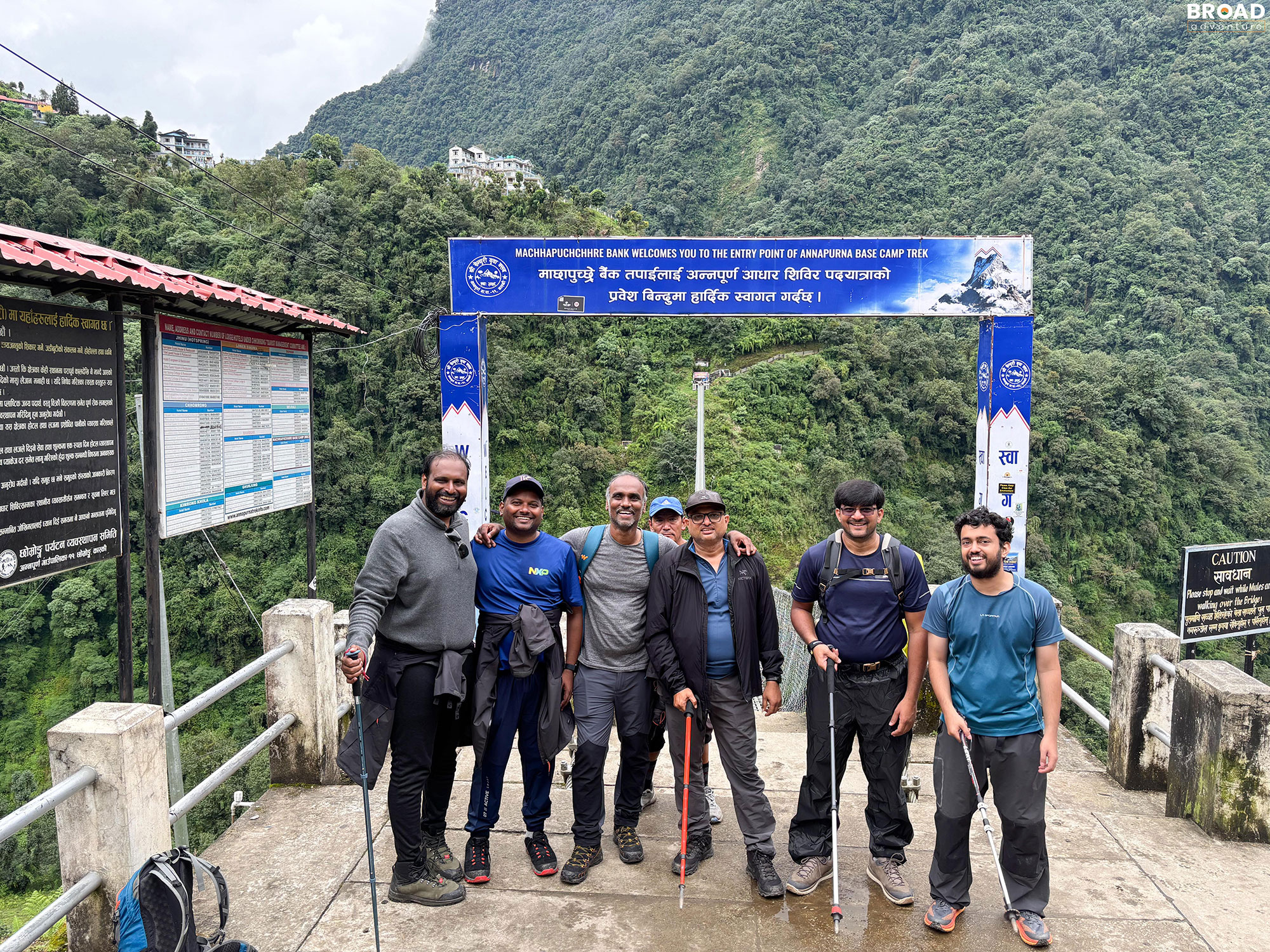
From Tikhedhunga, your first real uphill trekking section begins toward Ulleri.
The trail initially follows a gentle riverside path along the Bhurungdi Khola, crossing small bridges and passing traditional villages.
Lunch Stop on the Trail
Around midday, you stop for lunch at a local teahouse along the route. This is a good rest point before the challenging ascent begins.
Steep Stone Steps to Ulleri
After lunch, the trail becomes significantly steeper as you begin the famous stone staircase ascent to Ulleri.
This section is known for:
- Long stone steps (one of the steepest early climbs in the Annapurna region)
- Gradual forest surroundings
- Increasing mountain views as you gain altitude
Although physically demanding, the climb is rewarding with fresh mountain air and beautiful scenery.
Arrival at Ulleri
You finally reach Ulleri, a traditional Magar village located at a higher elevation in the hills.
- Altitude: ~2,050m (approx.)
- Comfortable teahouse accommodation
- Stunning views of the surrounding hills and distant peaks
- Peaceful mountain village atmosphere
Ulleri is your overnight stop, allowing rest and preparation for the next day’s deeper ascent into the Annapurna region.
Summary
- Drive: Pokhara → Tikhedhunga
- Trek: Tikhedhunga → Ulleri
- Lunch: En route teahouse stop
- Highlight: Steep stone staircase climb
- Overnight: Ulleri village
This day marks your transition from scenic travel to true Himalayan trekking, as you begin gaining altitude and entering the heart of the Annapurna foothills.
Trek to Ghorepani (2,840m) | Annapurna Base Camp Region
Today’s trek takes you deeper into the Annapurna foothills, passing through beautiful forests, traditional villages, and steadily gaining altitude toward Ghorepani (2,840m).
Ulleri to Banthanti – Gradual Ascent Begins
After completing the steep stone steps climb to Ulleri at the beginning of your trekking journey, today’s walk becomes comparatively more gradual and enjoyable.
Ulleri is a large traditional Magar village situated at around 2,070m, offering stunning hillside views and a peaceful mountain atmosphere.
From Ulleri, the trail begins a steady ascent through lush oak and rhododendron forests, marking a beautiful transition into alpine trekking terrain.
Forest Trail to Banthanti (Lunch Stop)
The path continues through shaded forest trails filled with birds, waterfalls, and natural streams until reaching Banthanti, the designated lunch stop.
- Trek duration: ~3.5 hours from Tikhedhunga
- Terrain: Forest trail with moderate ascent
- Experience: Peaceful natural surroundings
This section is especially refreshing, with cool air and dense greenery all around.
Banthanti to Nangethanti – Entering Higher Altitudes
After lunch, the trek continues uphill toward Nangethanti (2,460m).
The forest becomes quieter and slightly colder as altitude increases, with occasional clearings offering views of surrounding hills and valleys.
Arrival at Ghorepani (2,840m)
The final stretch of the day leads you to one of the most popular trekking villages in the Annapurna region:
Ghorepani
Located at 2,840 meters, Ghorepani is a vibrant mountain settlement known for:
- Stunning panoramic Himalayan views
- Traditional lodges and teahouses
- Gateway to Poon Hill sunrise viewpoint
- Rhododendron forests (especially beautiful in spring)
This village is a key highlight of the Annapurna trekking route and a perfect place to rest before the early morning hike to Poon Hill.
Summary
- Start: Ulleri (2,070m)
- Lunch stop: Banthanti (after ~3.5 hours trek)
- Via: Nangethanti (2,460m)
- End point: Ghorepani (2,840m)
- Highlight: Beautiful forest trails & rising Himalayan views
Today’s trek is a perfect blend of forest landscapes, cultural villages, and gradual Himalayan ascent, bringing you closer to the iconic viewpoints of the Annapurna region.
Hike to Poon Hill (3,210m) & Trek to Chhaile | Sunrise View & Descending Trail
Today is one of the most memorable highlights of your Annapurna journey, combining a breathtaking sunrise hike with a scenic descent through mountain villages.
Early Morning Hike to Poon Hill (3,210m)
Before sunrise, you begin an early morning ascent to the famous viewpoint:
Poon Hill
Located at 3,210 meters, Poon Hill is one of the most iconic viewpoints in Nepal, known for its panoramic Himalayan sunrise.
What You Experience:
- Stunning sunrise over the Himalayas
- Golden light over snowcapped peaks
- Wide mountain panorama including Annapurna and Dhaulagiri ranges
- Peaceful atmosphere above the clouds
On clear mornings, the view stretches across some of the world’s highest mountains, creating an unforgettable Himalayan spectacle.
After enjoying the sunrise and photography, you descend back to Ghorepani for breakfast.
Trek from Ghorepani to Chhaile
After breakfast, the journey continues as you leave Ghorepani and begin trekking toward Chhaile (Chaile).
The trail initially descends through dense rhododendron and oak forests, offering a refreshing walk after the early morning climb.
Trail Highlights:
- Quiet forest paths with birds and natural scenery
- Gradual descent through traditional settlements
- Beautiful mountain landscapes along the route
The route is peaceful and less crowded, allowing you to fully enjoy nature and the changing terrain.
Arrival at Chhaile
You finally reach Chhaile (Chaile), a small village surrounded by hills and forested landscapes.
Here you:
- Check into a local teahouse or lodge
- Rest after a long and scenic day
- Enjoy the calm rural mountain atmosphere
Summary
- Early morning hike: Ghorepani → Poon Hill (3,210m)
- Return & trek: Ghorepani → Chhaile
- Terrain: Forest descent, villages, and ridgeline trails
- Overnight: Chhaile
Today perfectly combines the magic of the Himalayan sunrise at Poon Hill with a peaceful trekking descent, making it one of the most rewarding days of your Annapurna adventure.
Trek to Sinuwa (2,340m) | Through Forests & Gurung Villages
Today’s trek continues deeper into the Annapurna Sanctuary route, combining forest trails, traditional villages, and scenic mountain landscapes.
Descent from Tadapani through Rhododendron Forests
The day begins with a gradual descent from Tadapani, walking through dense rhododendron and oak forests. This section is peaceful and scenic, with occasional views of hills, valleys, and distant Himalayan peaks.
Arrival at Chhomrong (2,170m)
You continue trekking until reaching the beautiful Gurung village of Chhomrong, one of the most important settlements in the Annapurna region.
Chhomrong lies at an altitude of 2,170 meters, built on a steep hillside overlooking the surrounding valley.
Lunch Stop in Chhomrong
Chhomrong is a popular stop for lunch and rest, offering:
- Traditional teahouses and lodges
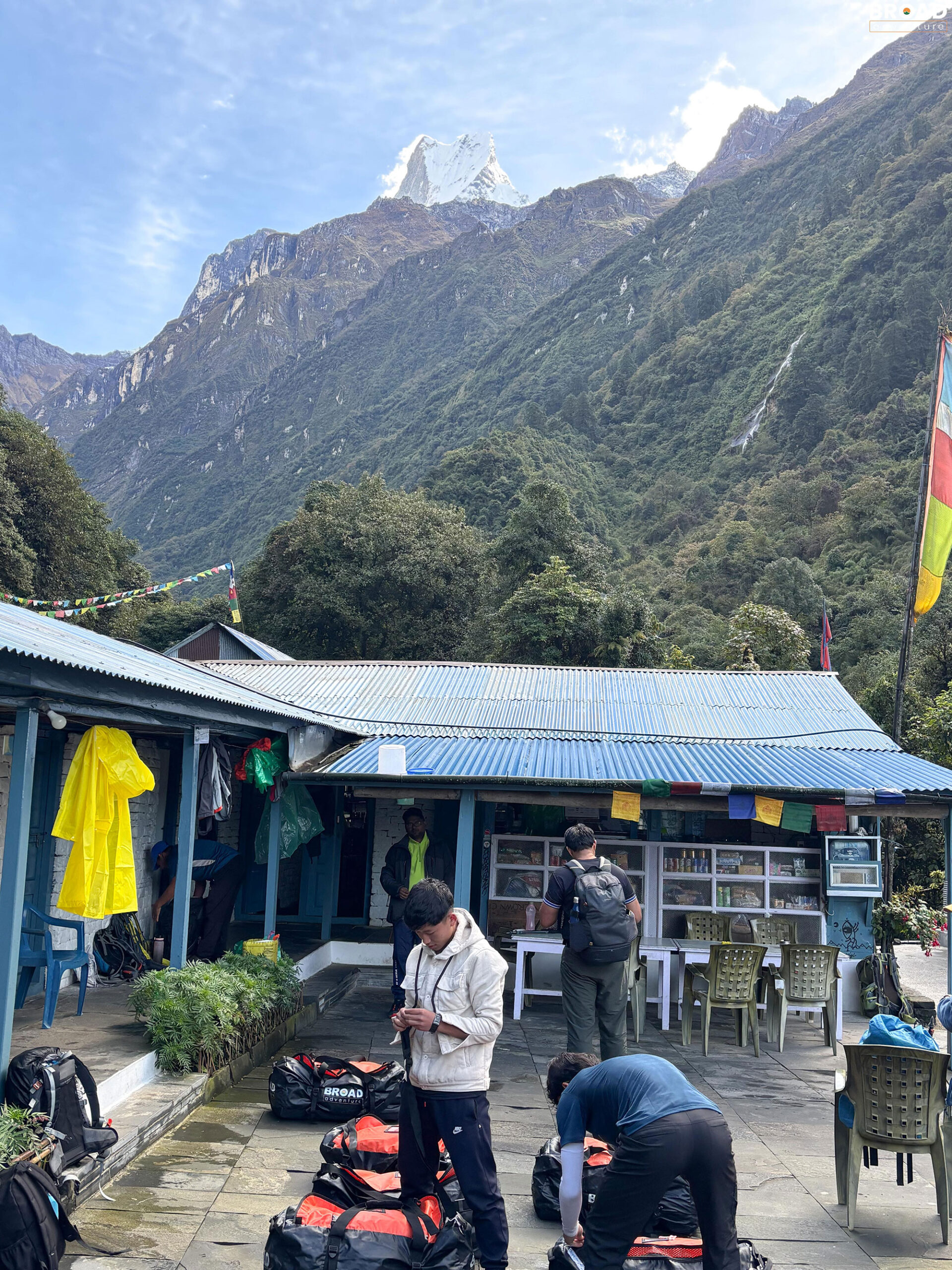
- Stunning views of Annapurna South and Machhapuchhre (Fishtail)
- A vibrant local Gurung community atmosphere
- Descent to Chhomrong Khola
After lunch, the trail descends steeply toward the Chhomrong Khola (river). This section involves stone steps and a downhill walk into the valley.
The descent is followed by a short but steady uphill climb on the opposite side of the valley.
Ascent to Sinuwa (2,340m)
From the river, the trail ascends gradually through forested terrain, leading to:
Sinuwa
Located at 2,340 meters, Sinuwa is a quiet mountain settlement surrounded by dense forests and misty hills.
Here you:
- Check into a teahouse lodge
- Rest after a full day of ups and downs
- Enjoy the peaceful forest atmosphere
Summary
- Trek: Tadapani → Chhomrong (2,170m)
- Lunch stop: Chhomrong village
- River crossing: Chhomrong Khola
- Final ascent: Sinuwa (2,340m)
- Overnight: Sinuwa
Today’s journey offers a classic Annapurna experience—forest trails, river valleys, traditional Gurung villages, and rewarding uphill climbs, all leading deeper into the Himalayas.
Trek to Himalaya (2,840m) | Upper Modi Valley & Deep Gorge Trails
Today’s trek takes you deeper into the heart of the Annapurna Sanctuary region, following forested trails, river crossings, and dramatic gorge landscapes along the Upper Modi Valley.
Sinuwa to Kuldi Ghar (2,470m) – Entering Rhododendron Forest Zone
The day begins with a gradual uphill climb through dense rhododendron and mixed forest trails, offering a peaceful walking experience surrounded by nature.
You pass through:
Kuldi Ghar is at around 2,470 meters, a forest checkpoint area once used for grazing and resting points for trekkers and livestock.
From here, the trail starts to feel more remote and enters the upper Himalayan trekking environment.
Entering Upper Modi Valley – Views of Bamboo and Dovan
As you continue, the trail enters the Upper Modi Valley, where the landscape becomes steeper and more dramatic.
From higher points along the route, you can see:
- Bamboo (lower valley settlements)
- Dovan village below
- Deep river gorges and dense forest slopes
This section marks a clear transition into high-altitude trekking terrain.
Dovan Section – River Crossings & Landslide Area
Beyond Dovan, the trail descends slightly before crossing a small stream and then climbs again across a landslide-prone section.
The path here is rugged but scenic, with waterfalls and rocky terrain adding adventure to the journey.
Temple with Shiva Trident – Spiritual Trail Point
Along the way, you pass a small Hindu shrine decorated with Shiva’s Trident (Trishul) and flowers.
This sacred spot is often used by trekkers and locals for blessings and protection before continuing into higher Himalayan regions.
Arrival at Himalayan Hotel (2,840m)
After about 20 minutes of walking from the temple area, you reach:
Himalaya Hotel (Annapurna region lodge area)
Located at approximately 2,840 meters, this area sits above a deep gorge and is surrounded by steep cliffs, forested slopes, and misty mountain scenery.
Here you:
- Rest at a teahouse lodge
- Experience colder alpine conditions
- Prepare for the next ascent toward higher base camp regions
Summary
- Trek: Sinuwa → Kuldi Ghar (2,470m)
- Valley: Upper Modi Valley (views of Bamboo & Dovan)
- Terrain: River crossing + landslide section
- Spiritual point: Shiva trident temple area
- End point: Himalaya Hotel (2,840m)
Today’s trek is a powerful transition into the high Himalayan wilderness, where forests give way to deep gorges, sacred sites, and dramatic mountain landscapes leading toward Annapurna Base Camp.
Trek to Annapurna Base Camp (4,130m) | Journey into the Heart of the Himalayas
Today is the most rewarding and emotional day of your entire trek as you reach the ultimate destination—Annapurna Base Camp (4,130m), deep inside the Annapurna Sanctuary.
Himalaya Hotel to Hinko Cave – Entering Alpine Wilderness
The day begins with a gradual ascent from the Himalaya Hotel through beautiful bamboo and rhododendron forests. As altitude increases, the vegetation becomes thinner and the landscape more rugged.
You trek toward:
Hinku Cave (Himalayan trekking area)
This section offers a dramatic change in scenery, with steep valley walls, icy streams, and increasingly open mountain views.
Arrival at Machhapuchhre Base Camp (3,700m)
Continuing upward, you reach the stunning alpine plateau of:
Machhapuchhre Base Camp
At around 3,700 meters, this is a major milestone of the trek.
Here you are surrounded by towering Himalayan giants, including:
- Machhapuchhre (Fishtail Mountain)
- Annapurna South
- Hiunchuli
- Glacier-fed valleys and snow slopes
This is a perfect rest point before the final push to Annapurna Base Camp.
Final Ascent to Annapurna Base Camp
From Machhapuchhre Base Camp, the trail continues for approximately 2 hours of steady uphill walking through alpine terrain.
As you move forward, the landscape becomes increasingly spectacular—wide glacier valleys open up and snow-covered peaks surround you on all sides.
Arrival at Annapurna Base Camp (4,130m)
Finally, you arrive at the legendary destination:
Annapurna Base Camp
Located at 4,130 meters, ABC sits in a natural amphitheater of some of the world’s highest mountains.
What Makes ABC Special:
- 360-degree panoramic Himalayan views
- Surrounded by Annapurna I, Annapurna South, Hiunchuli, and Machhapuchhre
- Glacier basin setting inside the Annapurna Sanctuary
- One of the most iconic trekking destinations in Nepal
The feeling of standing at the base of these massive peaks is both powerful and unforgettable.
Summary
- Start: Himalaya Hotel
- Key stop: Machhapuchhre Base Camp (3,700m)
- Final climb: ~2 hours to ABC
- Destination: Annapurna Base Camp (4,130m)
- Highlight: 360° Himalayan panorama inside the Sanctuary
Today’s trek is the pinnacle of your journey—entering the heart of the Annapurna Himalayas, where glaciers, towering peaks, and silence create one of the most breathtaking mountain experiences in the world.
Trek Back to Bamboo (2,345m) | Sunrise, Descent & Forest Trails
After reaching Annapurna Base Camp, today begins your gradual return journey through the Annapurna Sanctuary, retracing your steps through dramatic mountain landscapes and forested valleys.
Sunrise at Annapurna Base Camp – A Magical Morning
You wake up early at the base camp to experience one of the most unforgettable moments of the trek—stargazing before sunrise, followed by the first golden light over the Himalayas.
Annapurna Base Camp
The early morning atmosphere is peaceful and surreal, with towering peaks slowly glowing as the sun rises over the Annapurna massif. It is widely considered one of the highlights of the entire trekking experience.
After enjoying the views, you have breakfast at the guesthouse surrounded by panoramic mountain scenery.
Descent Begins: ABC to Bamboo
After breakfast, you begin your descent from Annapurna Base Camp, retracing the trail through alpine landscapes and glacier valleys.
The route gradually leads back through:
- Machhapuchhre Base Camp area
- Himalayan Hotel section
- Dense bamboo and rhododendron forests
As you descend, the air becomes warmer, and vegetation becomes denser.
Arrival at Bamboo (1,700m Approx.)
You reach:
Bamboo
A small and peaceful hamlet located along the banks of the Modi Khola River, Bamboo is surrounded by dense forest and steep valley walls.
What to Expect in Bamboo:
- Simple teahouse accommodation
- Quiet riverside environment
- Dense bamboo forest surroundings
- Rest stop after a long descending trek
It is an ideal place to relax and recover after the high-altitude experience at ABC.
Summary
- Morning highlight: Sunrise & stargazing at ABC
- Trek: Annapurna Base Camp → Bamboo
- Terrain: Glacier valleys → forest descent
- Overnight: Bamboo (riverside settlement)
- Location: Along the Modi Khola valley
Today’s journey offers a beautiful contrast—leaving the high Himalayan amphitheater of Annapurna Base Camp and returning through lush forests and river valleys, gradually reconnecting with the lower Annapurna landscape.
Trek to Jhinu Hot Springs (1,780m) & Drive to Pokhara | Relaxation & Return Journey
Today marks the final trekking day in the Annapurna region, combining a scenic descent through forest trails with a relaxing natural hot spring experience before returning to Pokhara.
Bamboo to Chhomrong – Returning Through Familiar Trails
The day begins with a gradual descent from Bamboo, retracing your steps through peaceful forest paths along the Modi Khola valley.
You follow the familiar route back toward:
- Sinuwa
- Chhomrong Khola valley section
- Chhomrong village
The trail offers a mix of stone steps, forest walkways, and beautiful hillside scenery as you move lower in altitude.
Forest Walk Through Bamboo & Rhododendron Trails
From Chhomrong, the trail continues downward through lush bamboo and rhododendron forests, passing small settlements and a sheep farm along the way.
This section is peaceful and scenic, with:
- River sounds from below
- Green forest canopy
- Traditional hillside farming landscapes
- Arrival at Jhinu Hot Springs (1,780m)
You reach:
Jhinu Danda Hot Springs
A natural geothermal hot spring located beside the Modi Khola River.
Experience at the Hot Springs:
- Natural warm water pools
- Soothing relief for tired muscles
- Beautiful river and forest surroundings
- Perfect place to relax after trekking
A short walk downhill leads you to the riverside pools, where you can soak and unwind, letting your body recover from days of trekking in the Himalayas.
Drive from Jhinu to Pokhara
After enjoying the hot springs, you continue your journey back to Pokhara via jeep or vehicle transfer from the roadhead.
The drive offers scenic views of hills, rivers, and rural landscapes before arriving back in the lakeside city.
Pokhara
Arrival in Pokhara – End of Trek
Once in Pokhara, you check into your hotel and enjoy the comfort of city life again. The evening is free for rest, lakeside walks, or celebrating the completion of your Annapurna Base Camp journey.
Summary
- Trek: Bamboo → Chhomrong → Jhinu Hot Springs
- Trail: Forests, villages, sheep farms, stone steps
- Highlight: Natural hot spring relaxation at Jhinu
- Drive: Jhinu → Pokhara
- End point: Pokhara (lakeside city)
Today beautifully combines soft trekking, natural healing hot springs, and a scenic return to Pokhara, marking the relaxing conclusion of your Annapurna adventure.
Pokhara City Tour | Culture, Nature & Relaxation After the Trek
After completing your Himalayan journey, today is a relaxed Pokhara sightseeing tour, designed to explore the city’s natural beauty, spiritual sites, and cultural landmarks.
The tour begins after breakfast, offering a comfortable and refreshing experience after days in the mountains.
Phewa Lake & Barahi Temple
The first stop is the iconic heart of Pokhara:
Phewa Lake
Phewa Lake is the second-largest lake in Nepal and the most famous attraction in Pokhara. The calm waters reflect the surrounding mountains, creating a peaceful and scenic atmosphere.
In the middle of the lake lies:
Tal Barahi Temple
This small but important Hindu temple is dedicated to the Goddess Barahi and can be reached by a short boat ride. It is a significant spiritual site and a popular pilgrimage destination.
Devi’s Fall – Natural Water Wonder
Next, you visit:
Devi’s Fall
This powerful waterfall disappears into an underground tunnel, creating a unique and dramatic natural phenomenon. It is especially impressive during the monsoon season when water flow is strong.
Gupteshwor Cave – Sacred Underground Temple
Opposite Devi’s Fall is:
Gupteshwor Mahadev Cave
This sacred limestone cave houses a shrine dedicated to Lord Shiva. Inside, you will find:
- Natural rock formations
- Underground pathways
- A view of Devi’s Fall from inside the cave
It combines spirituality with natural beauty.
Museums – Himalayan Culture & History
Pokhara also offers informative cultural experiences through its museums, including displays of:
- Himalayan mountaineering history
- Ethnic culture of Nepal
- Flora, fauna, and geology of the Annapurna region
A visit here helps you better understand the mountains you have just trekked through.
Tibetan Refugee Camp
The final stop is a visit to a Tibetan refugee settlement, where you can explore:
- Traditional Tibetan handicrafts
- Carpet weaving centers
- Local monasteries
- Cultural shops and souvenir markets
It offers insight into Tibetan culture and resilience in Nepal.
Summary of Pokhara City Tour
- Phewa Lake & Barahi Temple (boat ride & spirituality)
- Devi’s Fall (natural waterfall attraction)
- Gupteshwor Cave (sacred underground temple)
- Museums (culture & Himalayan history)
- Tibetan Refugee Camp (culture & handicrafts)
Final Experience
This Pokhara city tour is a perfect post-trek relaxation day, blending nature, spirituality, and cultural discovery. It allows you to unwind while experiencing the best attractions of Nepal’s most beautiful lakeside city.
Return to Kathmandu & Farewell Dinner | Celebration of Your Nepal Journey
Today, you travel back to Kathmandu, marking the conclusion of your unforgettable Annapurna adventure and Himalayan experience.
Drive or Flight Back to Kathmandu
After breakfast, you return from Pokhara to Kathmandu either by:
- Domestic flight (approx. 25–30 minutes)
- Tourist bus or private vehicle (approx. 6–8 hours drive)
The journey offers one final opportunity to enjoy Nepal’s beautiful hills, rivers, and countryside landscapes.
Flights and private vehicle transfers require additional cost unless included in the package.
Arrival in Kathmandu
Upon arrival in:
Kathmandu
You will be transferred to your hotel. The rest of the day is free for:
- Shopping and souvenir hunting
- Exploring local markets and cafés
- Relaxing after the trek
- Enjoying the vibrant atmosphere of Thamel
Traditional Farewell Dinner
In the evening, a special farewell dinner is organized to celebrate the successful completion of your trek in Nepal.
The dinner typically includes:
- Authentic Nepali cuisine
- Cultural hospitality
- Opportunity to share trekking memories
- Final gathering with guides, staff, and fellow trekkers
It is a wonderful way to conclude your Himalayan journey and reflect on the unforgettable experiences of the Annapurna region.
Summary
- Return: Pokhara → Kathmandu
- Free time in Kathmandu
- Traditional farewell dinner
- Celebration of the successful Annapurna Base Camp Trek
Your Annapurna adventure may end here, but the memories of the Himalayas, mountain villages, forests, and breathtaking landscapes will stay with you for a lifetime.
Final Departure | Transfer to International Airport
Today marks the end of your unforgettable journey in Nepal.
According to your international flight schedule, our representative will transfer you from your hotel to:
Tribhuvan International Airport
for your final departure.
We recommend arriving at the airport at least 3 hours before your international flight for check-in and immigration procedures.
As your Nepal adventure comes to an end, we hope the memories of the Himalayas, cultural heritage, mountain villages, and warm hospitality remain with you forever.
Thank you for visiting Nepal, and we look forward to welcoming you again for another Himalayan adventure. Safe travels and farewell!
What Includes & Excludes
Includes
Accommodation
- Three Nights Hotel Accommodation in Kathmandu in BB Plan
- Three Nights Hotel Accommodation in Pokhara in BB Plan
Guides and Porters
- An English speaking local guide
- Trekking Porters - We Assign a porter for each two trekkers.
Meals
- Three meals (Breakfast, Lunch, and Dinner) during the trek.
Additional Services
- All government taxes and official expenses.
- Farewell dinner one night before the client’s final departure in a typical Nepali Restaurant with culture dance. Your guide will accompany you.
- Trekking/tour permits, entrance fees.
- Accommodation, foods, insurance, salary, equipment, and medicine for field staffs.
Transports
- All ground transportation as per itinerary
- From and to the airport transfer to the hotel on a private tourist vehicle on your International arrival and departure.
- Kathmandu Pokhara Round trip in a tourist bus.
Excludes
- Anything not mentioned in the price includes.
- Personal trekking gears/equipment.
- Tips for trekking staff (Tipping is expected).
- Lunch and dinner in the city.
- All drinks including bottled/boiled water along the trekking route
- Visa fees and travel insurance.
- International airfare to and from Nepal.
Join the Departure
Join the departures 
Guest Reviews
We highly recommend Broad Adventures they provided exceptional guidance on our Everest Base Camp trek. Our guide’s Gynau’s professionalism,...
Read More...
David Neufeld
CanadaIf you are looking for a tour to see the Mt Everest base camp look no further. I have...
Read More...
Tim Troost
AustraliaI was looking at an exotic trek adventure. After looking for a bunch of places to go I thought...
Read More...
Keith B.
USAKeshab was our most gracious and amiable guide in Kathmandu and to Everest basecamp. My wife accompanied me on...
Read More...
Ken Byers , Nevada
USAMy son and I went for trekking in Nepal in 2009, and we were lucky to have Keshab Khanal...
Read More...
Dr. Raphael Hemmendinger
Jerusalem , IsraelIn 2005 I came to Nepal for the second time, this time whith a very specific queste. I wanted...
Read More...
Richard Rijken
Amsterdam , NetherlandsI was always willing to go to the Himalayas and explore some of the beauties hidden in the sacred...
Read More...
John Peter
Manchester , United KingdomNamaste! This was my first time to Nepal, and I had an amazing time on my trek. From the...
Read More...
David Patrician
Hamburg , GermanyI was on trekking from 24.10.10 to 5.11.10 in the half part of Annapurna circuit from Bhulbhule to Jomsom....
Read More...
Vaya Bairaba
Athens , Greece David Neufeld
Canada Tim Troost
AustraliaI have had a wonderful experience hiking through the Himalayas. My guide’s name was Gyanu and he was the most welcoming experienced and funny guide you can imagine. For me this was the first time I did a trek in Nepal so safety was the biggest concern. I can honestly say that I felt save every step of the way.
Gyanu always checks in with you to see how you are doing and has a great feel for empathy. He makes sure you are always eating well sleeping well and feeling well. Next to this he is a very social person, everyone knows Gyanu wherever you go on the hike. Together with the porter Uttam they make an impeccable team that will guide you through the trek of your life. I would gladly give them my referral at any time.
Keith B.
USAI emailed with Ramesh and Keshav the owners. Apex Asia and Broad Adventures merged and are now one so either would respond. They responded promptly and with great recommendations. I was looking primarily for great views for photography, then next most importantly something vigorous, and finally at least somewhat isolated.
After a thorough discussion despite my ignorance they recommended Gokyo Ri might be more appropriate for my goals. I AM SO HAPPY THEY SAID SO! On the trip a bunch of groups were going to EBC and very few to Gokyo, and also everything I read was that Gokyo is incredibly scenic and EBC is just not in the same league.
Next, I am Jewish and observant and I cannot travel on the Sabbath and cannot eat anything not kosher. They noted the teahouses along the way (obviously) are not kosher but that they could provide a cook along the way (!) and that they routinely trek with Israeli clients and they are very familiar with Shabbos and kashrus. The morning we began they ran the food by me so I could inspect relevant hechshers.
So yeah!
The trip was amazing. Gyanu was the guide who is calm and fantastic. Uttam was the cook and portered as well and Ranjit the porter. They were mountain goats. I carried a day pack and they carried everything else. Every lunch and dinner they asked what I would like to eat, they prepared and cooked it and it was delicious!
The teahouses are pretty basic and cold and make sure to bring a very warm (VERY warm) sleeping bag if you go in winter. Also the teahouses do not provide toilet paper and often do not have “Western” toilets so be prepared.
The trip was fantastic. Probably best ever trip I’ve taken. Shabbat and kashrus were not issues at all. I realized late that Gokyo is and out and back trip and I did not want to go out and back. We talked about extending it a day to return through Renjo-La. I said I’m happy to pay an extra day, and I hear Renjo-La is fantastic! Despite requesting this at the last moment they accommodated my wish with cheer and we returned through Renjo La pass (Highly recommended).
Best trip I think I’ve ever taken. Highly recommended. For Jewish observant clients have no concerns. They took care of all my needs.
Plus there’s a Chabad in Kathmandu that makes great shakshuka and schnitzel!
Ken Byers , Nevada
USAKeshab was our most gracious and amiable guide in Kathmandu and to Everest basecamp. My wife accompanied me on a return trip to Everest 17 years after I climbed it in 1990. I can\’t say enough about Keshab. Commending both his knowledge and his social skills in making our trip both memorable and enjoyable. Well, except for that long hike out in the rain. Just the same, Keshap really went “over the top” to accommodate our expectations for the trip. The experience was more like having a cousin, in country, as opposed to just hiring a guide.
Best wishes for success with the new company, Ken & Sandy
Dr. Raphael Hemmendinger
Jerusalem , IsraelMy son and I went for trekking in Nepal in 2009, and we were lucky to have Keshab Khanal as our guide. He is very serious and trustful.We had special food request (kosher) and he managed to provide to all our request.Everything was very well organize even our Shabbat rest in beautiful places. We enjoyed every moment and even after we return home we kept a very friendly contact. We are thinking to go back for another track and of course it will be with Keshab.I will recommend him very warmly to anyone.
Richard Rijken
Amsterdam , NetherlandsIn 2005 I came to Nepal for the second time, this time whith a very specific queste. I wanted lo live, study and practice in the Himalaya”s for a period of 5 weeks. The place where I wanted to stay was called Melamchi (Helambu) and I wished to meditate in a famous cave (sun and moon), where guru Rinpoche was supposed to have practised. Keshab Khanal went with me and talked to the local community there. He made it possible for me to stay and eat with a beatifull family for very little cost. He arranged that I could have the key to the cave and I could use it as much as I wanted. Also on the way there, he talked to locals and arranged to go to another special meditation place of the regular track. Keshab is a very intelligent man and we had some very in dept discussions. He also introduced me to his family and taught me how to make a special dish with mountain peper, which I still make from time to time. Thank you Keshab for making my dream come true!
John Peter
Manchester , United KingdomI was always willing to go to the Himalayas and explore some of the beauties hidden in the sacred mountains. I chose the Himalayan country Nepal in order to pursue my dream. Broad Adventure really made my dream come true. The way they treated my during my whole journey was really awesome. I just wished to trek around Annapurna and Broad Adventure was there to arrange everything for me. I was provided with a trekking guide who had excellent knowledge about local environment, local customs, traditions, etc. Throughout the trip there was not a single moment when I could take my eyes off the natural beauty. So, I strongly recommend everybody who wish to trek in Nepal to go from Broad Adventure helping you arrange a journey of your lifetime.
David Patrician
Hamburg , GermanyNamaste!
This was my first time to Nepal, and I had an amazing time on my trek. From the first day, my guide and porter met me at the airport and were with me the entire time. We were able to see many beautiful landscapes and enjoy the Diwali Festival in the Anapurna Mountains, an experience I will never forget. My guide and porter did everything to help me with my trip. They explained about the history and culture of Nepal, they helped me carry my back pack everywhere (I still am amazed how much they can carry while climbing the Himalayas) and also went at a pace that I felt comfortable. My 8 day trek was an incredible adventure, and I highly recommend Broad Adventure for trekking in Nepal! They are a family business, very professional, but also like a family away from home. It does not matter if you are traveling alone or in a group, they will do their best to meet your needs.
I plan on coming back in the near future and hope to do the Everest trek. Until then, I will do my best to get in top shape for my next trek!
Vaya Bairaba
Athens , GreeceI was on trekking from 24.10.10 to 5.11.10 in the half part of Annapurna circuit from Bhulbhule to Jomsom. This was the third time I travelled to Nepal. First time in 2006 my man and I had the opportunity to do the other part of Annapurna circuit with Keshab Khanal as a guide. Keshab was our precious companion though and not only our guide. He was always looking after us with discreteness, he was giving all the information we wanted and advised us suitably in any case. He helped us to enjoy the greatness of the Himalayan nature and people. So, the second time we chose to have Keshab as our guide again. Besides, by that time Keshab had become also a friend of us. This time, the third one, I trekked alone but I knew that I could rely on Keshab because of his experience and his awareness and so I did. I am very happy that Keshab can give his high quality professional services through this new company. I trust him and I would recommend his company to anyone.
Equipment List
Outfit
- Shoes/Boots
- A pair light trekking shoes or sneakers to wear in and about camps or lodge.
- A pair light to medium weight waterproof hiking/trekking boots. Make sure the size and should have to be avoidable for blister.
- At least four pairs of liner socks, synthetic. And three pair heavyweight socks to be worn over liner socks.
- Two pair of trekking pants, preferably that zip on/off at the knees.
- Two pairs of lightweight long underwear.
- Two pairs of nylon hiking shorts.
- A soft shell jacket, water resistant, with insulation, underarm ventilation zippers. The full front zipper is preferable for ventilation.
- Two long sleeve polyesters, light colored shirts for sunny days.
Warmth
- Neck Warmer
- Light weight Down Jacket and Sleeping Bag
- A pair of lightweight socks, a good option for the lower / warmer parts of the trail and also on lodges at the time of dinner.
- A pair liner woolen gloves for mild days and heavy for morning and evening
- Warm wool or synthetic hat
Documents and Money
- Durable wallet/pouch for travel documents, money & passport
- Airline tickets
- Passport and extra passport photos (2 copies)
Electronics
- Additional Batteries Powerbank , Solar Charger
- Additional batteries for Head Lamp
- Head Lamp
Medicine and First Aid
- Sunscreen (SPF 40)
- Lip balm (At least SPF 20)
- Band-aids
- Anti-infection ointments
- Immodium or Pepto bismol capsules for upset stomach or diarrhea
- Extra Strength Excedrin for altitude related headaches
- Ibuprofen for general aches and pains
Miscellaneous but Important
- Toiletries
- Water purification Iodine tablets
- Water bottle/bladder
- UV protective glacier sunglasses – better to have a side shield.
Important Info
Ultimate Guide to Annapurna Base Camp Trek
The Annapurna Base Camp (ABC) trek is a sought-after adventure for trekkers worldwide, combining stunning landscapes, rich cultural experiences, and a moderately challenging trekking route. Here’s your ultimate guide to navigating the ABC trek:
- Accessibility
Annapurna Base Camp is nestled in the heart of the Annapurna Conservation Area. The trek is accessible from Pokhara, a city renowned for its lakeside beauty and proximity to the Annapurna range. The journey to the base camp begins from Nayapul, which can be reached by a 1.5 to 2-hour drive from Pokhara.
How to Get There:
- From Kathmandu to Pokhara: You can fly (25-30 minutes) or take a tourist bus (6-8 hours).
- From Pokhara to Nayapul: Accessible by car or bus, taking approximately 1.5 to 2 hours.
- Difficulty Level
The ABC trek is rated as moderately difficult, making it suitable for both novice and experienced trekkers with good physical fitness. The trek involves daily hikes of 5-7 hours, covering a range of terrain from steep ascents and descents to flat sections.
Preparation Tips:
- Regular cardiovascular exercise and strength training.
- Gradual acclimatization by incorporating rest days.
- Proper gear including trekking boots, layered clothing, and trekking poles.
- Highest Point
The highest point of the trek is Annapurna Base Camp itself, at an altitude of 4,130 meters (13,550 feet). This point offers panoramic views of Annapurna I (8,091 meters), Machapuchare (6,993 meters), and other peaks.
Highlights:
- Sunrise and sunset views over the Annapurna range.
- The proximity to towering peaks providing an immersive mountain experience.
- Connectivity
While trekking, connectivity is generally good in the lower regions. Mobile networks like Ncell and NTC provide decent coverage. Wi-Fi is available at most teahouses, although it becomes less reliable and more expensive as you ascend.
Tips for Staying Connected:
- Purchase a local SIM card in Kathmandu or Pokhara.
- Carry a power bank for charging devices.
- Use messaging apps that work with limited connectivity.
- Driving Road
The road from Pokhara to Nayapul is well-maintained and suitable for vehicles. This road is the main access point for starting the trek.
Road Conditions:
- Paved and accessible year-round.
- Scenic drive with views of lush landscapes and local villages.
- Flight Connection
The nearest airport is in Pokhara, which has frequent flights from Kathmandu. These flights offer spectacular aerial views of the Himalayas.
Flight Details:
- Duration: 25-30 minutes.
- Airlines: Yeti Airlines, Buddha Air, and other domestic carriers.
- Booking: Book in advance during peak trekking seasons (spring and autumn).
- Elevation Guide and AMS (Acute Mountain Sickness)
- Nayapul (1,070 meters / 3,510 feet): Starting point of the trek.
- Ghorepani (2,874 meters / 9,429 feet): Famous for Poon Hill sunrise views.
- Machapuchare Base Camp (3,700 meters / 12,139 feet): Acclimatization stop.
- Annapurna Base Camp (4,130 meters / 13,550 feet): Trek’s highest point.
Preventing AMS:
- Ascend slowly and allow your body to acclimatize.
- Stay hydrated and avoid alcohol.
- Be aware of AMS symptoms: headache, nausea, dizziness.
- Consider carrying Diamox (acetazolamide) for AMS prevention.
- Luxury Options
For those seeking more comfort, several luxury lodges and teahouses provide upgraded amenities. These accommodations offer private rooms, hot showers, and gourmet meals.
Luxury Lodges:
- Ker & Downey Lodges: Known for excellent service and comfort.
- Gurung Lodge: Offers cultural experiences along with luxury.
- Camping Options
While the ABC trek is popular for its teahouse accommodation, camping is also an option for those who prefer it. Campers need to arrange for permits, guides, and porters.
Camping Essentials:
- High-quality tents and sleeping bags.
- Portable cooking equipment.
- Permits and guide arrangements through a trekking agency.
- Heli Ride Options
Helicopter rides to and from Annapurna Base Camp offer a luxurious and quick alternative to trekking. These rides provide an unforgettable aerial view of the Himalayas and are useful for those with time constraints or health issues.
Heli Ride Details:
- Duration: 15-20 minutes from Pokhara to ABC.
- Cost: Varies depending on group size and provider.
- Booking: Can be arranged through trekking agencies or directly with helicopter companies in Pokhara.
Conclusion
The Annapurna Base Camp trek offers a perfect blend of natural beauty, cultural richness, and trekking adventure. With proper preparation and understanding of the trek’s logistics, you can fully enjoy this Himalayan journey. Whether you choose teahouse stays, luxury lodges, camping, or even a heli ride, ABC trek promises a memorable and rewarding experience.
per person
Trip facts
Group Size: 1-15 PAX
Duration: 15 Days
Highest Elevation: 4130M
Accomodation: Hotel & Guest House
Trip Start: Kathmandu
Trip End: Kathmandu
Average Dist. per Day: 12KM
Average Time per Day: 6hrs
Trip Grading:
Moderate
trip information
- HIGH ALTITUDE SICKNESS
- VISA INFORMATION
- TRIP GRADE
- TRANSPORTATION
- MEALS
- INSURANCE
- SAFETY
- RESPONSIBLE TRAVEL
- HEALTH & SAFETY

Get Trip PDF file
Why travel with
Broad Adventures
Since 2010, we have curated unique itineraries that offer once-in-a-lifetime experiences, ensuring every trip is filled with joy and adventure. Our focus on the fun factor and the right amount of challenge allows you to achieve a profound sense of personal accomplishment, all while enjoying the camaraderie of like-minded travelers.

Small-Group Adventures
Join an intimate group of like-minded travelers who share your passion for discovering the world's wonders safely and confidently. Our small group settings foster a deeper connection with your fellow explorers and the incredible destinations we visit.

Expert Local Guides
We exclusively employ local guides and porters for their unparalleled knowledge and expertise. Their insights and firsthand experiences enrich your journey, giving you a deeper understanding and appreciation of the local culture, history, and environment.

Responsible for Tourism
Your safety is our utmost priority. Our dedicated team of trained professionals ensures the highest standards of care, including providing fresh and hygienic meals, comprehensive First Aid supplies, and round-the-clock communication services. We are committed to responsible tourism practices, emphasizing the importance of sustainable and ethical travel.

Health and Saftey
Promoting responsible tourism is essential, as it calls for a collective effort from everyone involved in the industry. By prioritizing health and safety, we ensure that each journey is not only enjoyable but also respectful of the destinations and communities we visit.
How can we help you?
- City Tour Equipment
- City Tour Season
- Climbing Equipment
- Climbing Season
- General Questions
- Guide and Staffs
- Nepal Overview
- Tipping
- Transportations
- Trekking Equipment
- Trekking Season
- VISA info
- Weather and Temperature
Do you provide any equipment for the trek?
Broad Adventure provides you a basic equipment like a Sleeping Bag and a down Jacket, for the tea-house trek. And for the climbing trip, we provide the basic equipment. For a camping trek check it once including the section.
What is the time zone of Nepal?
NPT (UTC+05:45)
What cultural attractions can I explore in Kathmandu?
Kathmandu is home to historical sites like Durbar Square, Swayambhunath (Monkey Temple), and Pashupatinath Temple. These landmarks showcase Nepal’s rich cultural and religious heritage, providing visitors with a deep insight into the country’s history.
What are the must-visit cities in Nepal?
Kathmandu, Pokhara, Bhaktapur, and Patan are popular cities offering rich cultural experiences. Each city has its own unique charm, historical sites, and vibrant local markets.
Do you provide any equipment for the trek?
Broad Adventure provides you a basic equipment like a Sleeping Bag and a down Jacket, for the tea-house trek. And for the climbing trip, we provide the basic equipment. For a camping trek check it once including the section.
Do I need to tip the guide and porters? What is the standard tip?
Tips is expected by your team members and normally the standard is 10% of your total trip cost.
What is the climbing season in Nepal?
The main climbing seasons are spring (April to May) and autumn (September to November). During these times, the weather is more stable, providing safer and more favorable conditions for climbing expeditions.
Are there other mountains in Nepal suitable for climbing?
Yes, Nepal is home to numerous trekking peaks and mountains suitable for climbing, such as Island Peak, Mera Peak, and Lobuche East. These peaks offer a challenging yet rewarding experience for climbers of various skill levels.
Can I climb Mount Everest as a tourist?
Climbing Mount Everest requires significant preparation, experience, and permits. Most climbers join organized expeditions with experienced guides. Climbing Everest is a serious undertaking that demands physical fitness, technical skills, and a high level of commitment.
Do I need to tip the guide and porters? What is the standard tip?
Tips is expected by your team members and normally the standard is 10% of your total trip cost.
What is the voltage and plug type used in Nepal?
The standard voltage is 230V, and the plug type is the Europlug (Type C) and the British-style plug (Type D). It’s advisable to bring adapters if necessary.
What is the voltage and plug type used in Nepal?
The standard voltage is 230V, and the plug type is the Europlug (Type C) and the British-style plug (Type D). It’s advisable to bring adapters if necessary.
Is it necessary to get travel insurance for Nepal?
Yes, travel insurance is highly recommended, especially for trekking and adventure activities. Ensure that your insurance covers medical emergencies, evacuation, and trip cancellations.
What languages are spoken in Nepal?
The official language is Nepali, but English is widely understood in tourist areas. Additionally, various ethnic groups have their own languages.
What is the currency used in Nepal, and are credit cards widely accepted?
The official currency is the Nepalese Rupee (NPR). While major cities and tourist areas accept credit cards, it’s advisable to carry cash in remote areas. ATMs are available in urban centers.
How can I get around within cities in Nepal?
Transportation options include taxis, rickshaws, and local buses. Walking is also a great way to explore the cities, especially in the old quarters. Many cities have well-preserved historic areas, and navigating them on foot allows for a more immersive experience.
What cultural attractions can I explore in Kathmandu?
Kathmandu is home to historical sites like Durbar Square, Swayambhunath (Monkey Temple), and Pashupatinath Temple. These landmarks showcase Nepal’s rich cultural and religious heritage, providing visitors with a deep insight into the country’s history.
Can I climb Mount Everest as a tourist?
Climbing Mount Everest requires significant preparation, experience, and permits. Most climbers join organized expeditions with experienced guides. Climbing Everest is a serious undertaking that demands physical fitness, technical skills, and a high level of commitment.
Are permits required for trekking in Nepal?
Yes, trekking permits are required for most trekking regions. The type of permit depends on the specific trekking area. It’s important to obtain the necessary permits from the respective authorities to support local conservation and management efforts.
When is the best season for treks in Nepal?
From March to mid-June and September to December is the best season for treks.
What is the fitness required for the treks?
Generally, to trek in Nepal we should have good physical and health conditions. And also able to walk 4- 7 hours in day at a high altitude with your little backpack.
Do you pick me up at the Airport upon my arrival?
Yes, our airport representative welcomes you at the airport and transfers you to the hotel in a private tourist vehicle.
Does my guide/porter speak English?
They speak English. All the guides are professional and due to their professionalism, they speak good English. The guide’s English is enough to explain the local culture, activities, and religions.
Are the treks and tours secured? What about the security?
Providing security to our clients is our principal. The government-licensed holder guides and other crew members are carefully assigned for your trip. Even though, would like to counsel you to take care of your equipment, and bags. If you doing a tea-house trek your accommodation is in a local guesthouse, where you have to be a precaution yourself at all times. And if you are on a camping trek always keep your bags inside the tent and while at nighttime please keep your bag in the middle of the tent. The camping leader assigns a Sherpa as a guard throughout the nighttime.
What sort of ground transportation do you use?
Normally we assign a car for up to 2 people and a Jeep for up to 5 people and then a bus for up to 14 PAX and Coster and Sutlej Bus depending on group size. There are some trekking routes, which are dirt roads for them we assign 4WD Jeeps. It also depends on what services you opt for.
Are the staff insured by your company?
Yes, all of the staff and crew members are insured.
Should I need to join the group?
Joining a group depends on your booking and the option that you choose. If you have booked for Private Trip then obviously you will not join. Otherwise, normally the same trip departs on the same day then the group will join.
Do you arrange a private trip?
Yes, of course, we will arrange a private tour.
How big is a group size?
We will try to arrange a small group of willing people, which immortalize the treks. Normally we encompass 12 -16 people in a group. (This is not to apply to those who want to do a Private Trip, no minimum and maximum for them.)
Is the drinking water okay? Or do I need to use tablets?
For drinking water you can buy bottled water and purified mineral water on tea-house treks and city tours. And in the camping trek, the camping cook provides you with boiled water. For some cases of remote area trekking it would be better to have some purification tablets that you can buy in Kathmandu.
What are the accommodations and meals like?
All the meals that you provided are hygienic and fresh. While you are on a camping trek you get meals prepared by a professional camping cook. And if you are doing a tea-house trek you will get the main course as like in the cities. For accommodation on the camping trek, you will have a tent with good-quality mattresses and a sleeping bag. And if you are on a tea-house trek you will normal twin-sharing room with basic facilities with a warm mattress and blanket, and also we provide a sleeping bag if you need it.
Is the shower facility during the tour/trek?
Yes, you can have a shower during the trek. In the camping trek, you will get a shower in a shower tent which is provided 3-4 times in the whole trek, depending on the duration of the trek. And in a tea-house trek, we will provide you attached room where possible and for the rest of town, you will pay for a shower.
Do you provide any equipment for the trek?
Broad Adventure provides you a basic equipment like a Sleeping Bag and a down Jacket, for the tea-house trek. And for the climbing trip, we provide the basic equipment. For a camping trek check it once including the section.
Is there any possibility of communicating in my hometown?
Yes, you can. In the Everest and Annapurna regions, you can connect via Phone, or Internet both available in most of the town and, in some remote routes, you may need to use a satellite phone that is carried by your trek guide or also get in the local town.
Can I charge the batteries of cameras, and phones?
Yes, you can charge your devices, but recommended you bring your plugs, and chargers and also do not leave unattended anything while charging in a lobby or somewhere in the trekking guesthouse. And if you are on a camping trek it’s quite hard to charge the phone so we advise you to bring a portable charge.
Are there any health precautions I should take before traveling to Nepal?
Vaccinations for diseases like typhoid, hepatitis, and tetanus are advisable. Altitude sickness prevention measures should be considered for high-altitude treks.
How can I find a reliable trekking guide in Nepal?
Reliable guides can be found through licensed trekking agencies, recommendations from fellow travelers, or by checking with the Nepal Tourism Board. Ensure that your guide has the necessary permits and is experienced in the chosen trekking region
Is hiring a local guide recommended for exploring Nepal?
Yes, hiring a local guide is highly recommended, especially for trekking and exploring remote areas. Guides provide valuable insights into the culture, history, and geography of the region, ensuring a safer and more enriching experience.
Is hiring a local guide recommended for exploring Nepal?
Yes, hiring a local guide is highly recommended, especially for trekking and exploring remote areas. Guides provide valuable insights into the culture, history, and geography of the region, ensuring a safer and more enriching experience.
Is Nepal a safe country for tourists?
Yes, Nepal is considered safe for tourists. However, like any travel destination, it’s essential to follow common-sense safety practices and stay updated on travel advisories. Local people are welcoming, and the country values its reputation as a safe and friendly destination.
What is the best time to visit Nepal?
The best time to visit Nepal is during the spring (March to May) and autumn (September to November) seasons when the weather is generally favorable for outdoor activities. During these periods, the skies are clear, and the temperatures are moderate.
What makes Nepal a popular tourist destination?
Nepal is renowned for its stunning Himalayan landscapes, rich cultural heritage, diverse wildlife, and warm hospitality. The country offers a unique blend of adventure, spirituality, and natural beauty.
What is the standard tip?
Tipping is subjective so it depends on your satisfaction. However, the standard is about 20% of the trip cost you can share with the staff.
Do I need to tip the guide and porters? What is the standard tip?
Tips is expected by your team members and normally the standard is 10% of your total trip cost.
Do you provide any equipment for the trek?
Broad Adventure provides you a basic equipment like a Sleeping Bag and a down Jacket, for the tea-house trek. And for the climbing trip, we provide the basic equipment. For a camping trek check it once including the section.
Are permits required for trekking in Nepal?
Yes, trekking permits are required for most trekking regions. The type of permit depends on the specific trekking area. It’s important to obtain the necessary permits from the respective authorities to support local conservation and management efforts.
Do I need a guide for trekking in Nepal?
While it’s not mandatory, hiring a local guide is highly recommended for safety, navigation, and cultural insights. Guides are familiar with the terrain, can provide valuable information about the region, and ensure a smoother trekking experience.
What are the most popular trekking destinations in Nepal?
The Everest Base Camp trek, Annapurna Circuit, Langtang Valley trek, and Manaslu Circuit are among the most popular trekking routes in Nepal. Each trek offers unique experiences, from breathtaking mountain views to encounters with diverse cultures.
When is the best season for treks in Nepal?
From March to mid-June and September to December is the best season for treks.
Do I need to tip the guide and porters? What is the standard tip?
Tips is expected by your team members and normally the standard is 10% of your total trip cost.
Can I extend my tourist visa to Nepal?
Yes, tourist visas can be extended at the Department of Immigration in Kathmandu or the Immigration Office in Pokhara. Extension fees and requirements vary, and it’s advisable to initiate the process a few days before the current visa expires.
What documents are required for a tourist visa on arrival?
Passport with at least six months validity, a completed visa application form (available at the airport), and two passport-sized photos are required. Additionally, visa fees must be paid in cash (USD or equivalent).
What are the types of visas available for tourists?
Tourist visas are available for duration ranging from 15 to 90 days. Extensions can be obtained within Nepal if needed. Other visa categories include business visas, student visas, and diplomatic visas, each with specific requirements.
How do I obtain a visa for Nepal?
Tourist visas for Nepal can be obtained upon arrival at Tribhuvan International Airport in Kathmandu or at various land entry points. Alternatively, you can apply for a visa at the Nepalese embassy or consulate in your home country before traveling.
What is the monsoon season in Nepal?
The monsoon season in Nepal runs from June to early September. During this time, the country receives heavy rainfall, particularly in the southern plains and the hilly regions. The monsoon brings lush green landscapes but can also cause landslides and flooding in some areas.
What is the time zone of Nepal?
NPT (UTC+05:45)
Annapurna Base Camp Trek
Annapurna Base Camp Trek
per person
