
Everest Region Trekking Guide: Routes, Cost, Itinerary & Best Time (2026)
Discover the Everest Region
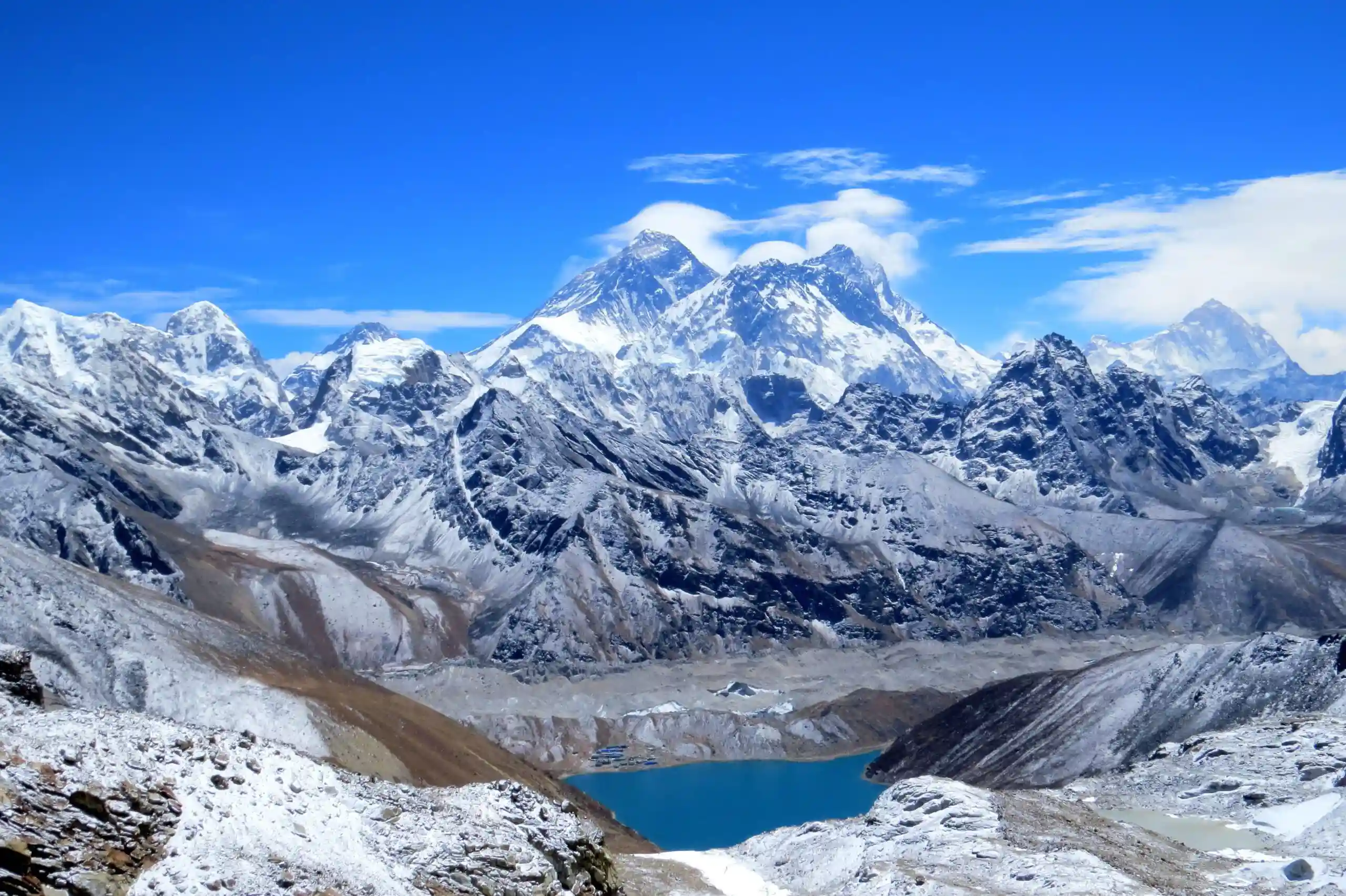
The Everest Region is one of the most iconic trekking destinations in the world, home to dramatic Himalayan landscapes, rich Sherpa culture, and legendary trails leading toward Mount Everest (8,848.86m).
From classic treks like the Everest Base Camp journey to quieter routes like Gokyo Valley and challenging peak climbs, this region offers something for every level of adventurer.
Everest Region Trek – Quick Facts
- Location: Nepal, Sagarmatha National Park
- Max Altitude: 5,364m (Everest Base Camp)
- Duration: 12–18 days
- Difficulty: Moderate to Challenging
- Best Time: March–May (Spring), September–November (Autumn)
- Cost: $1,200 – $2,500 (depending on services)
Everest Base Camp Trek (EBC)
The Everest Base Camp Trek is the most popular trek in the region and a bucket-list adventure for travelers worldwide.
Route & Itinerary
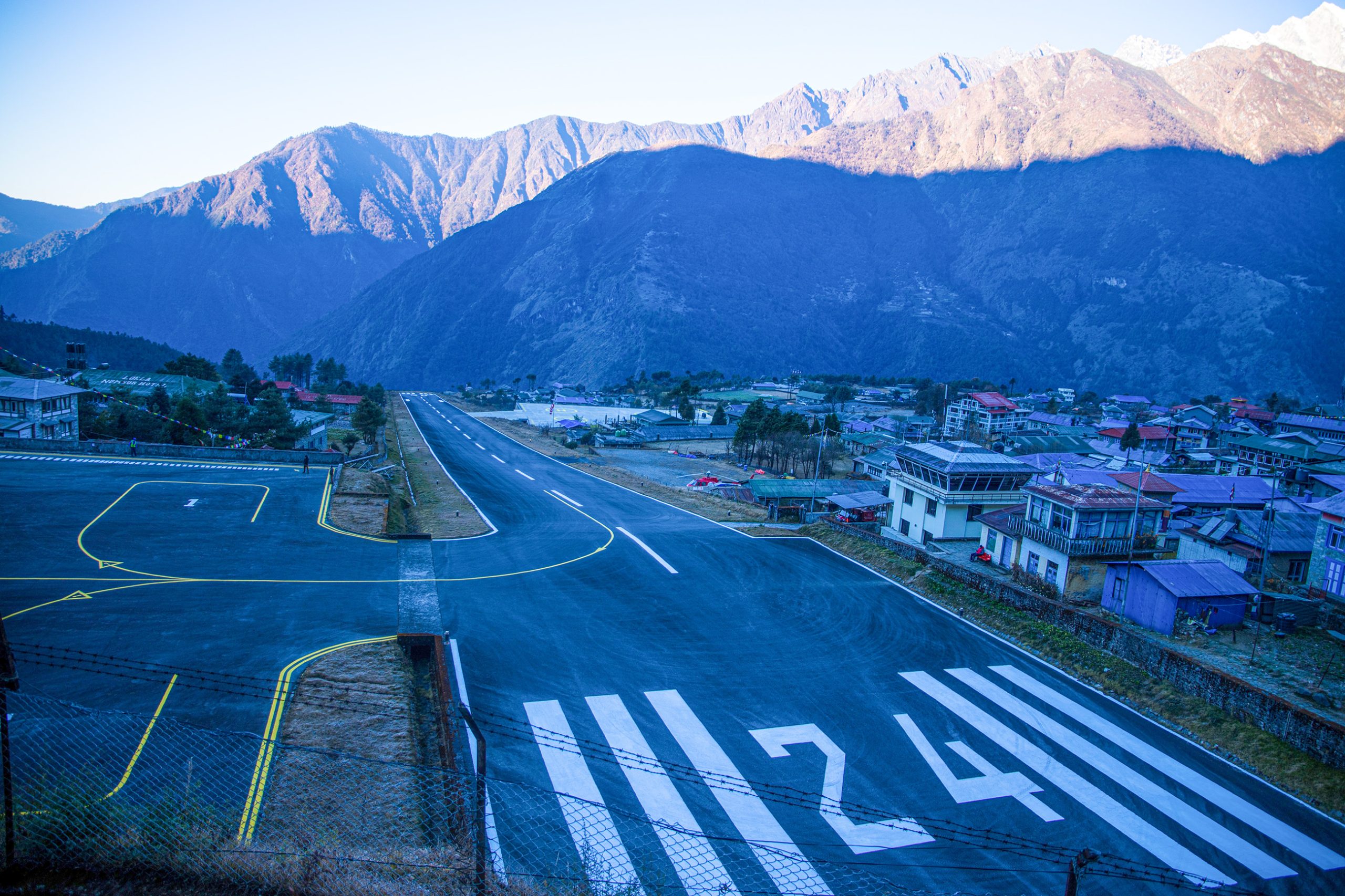
The journey begins with a scenic flight from Kathmandu to Lukla Airport (2,860m). From here, trekkers pass through:
- Phakding
- Namche Bazaar (3,440m) – key acclimatization hub
- Tengboche Monastery
- Dingboche & Lobuche
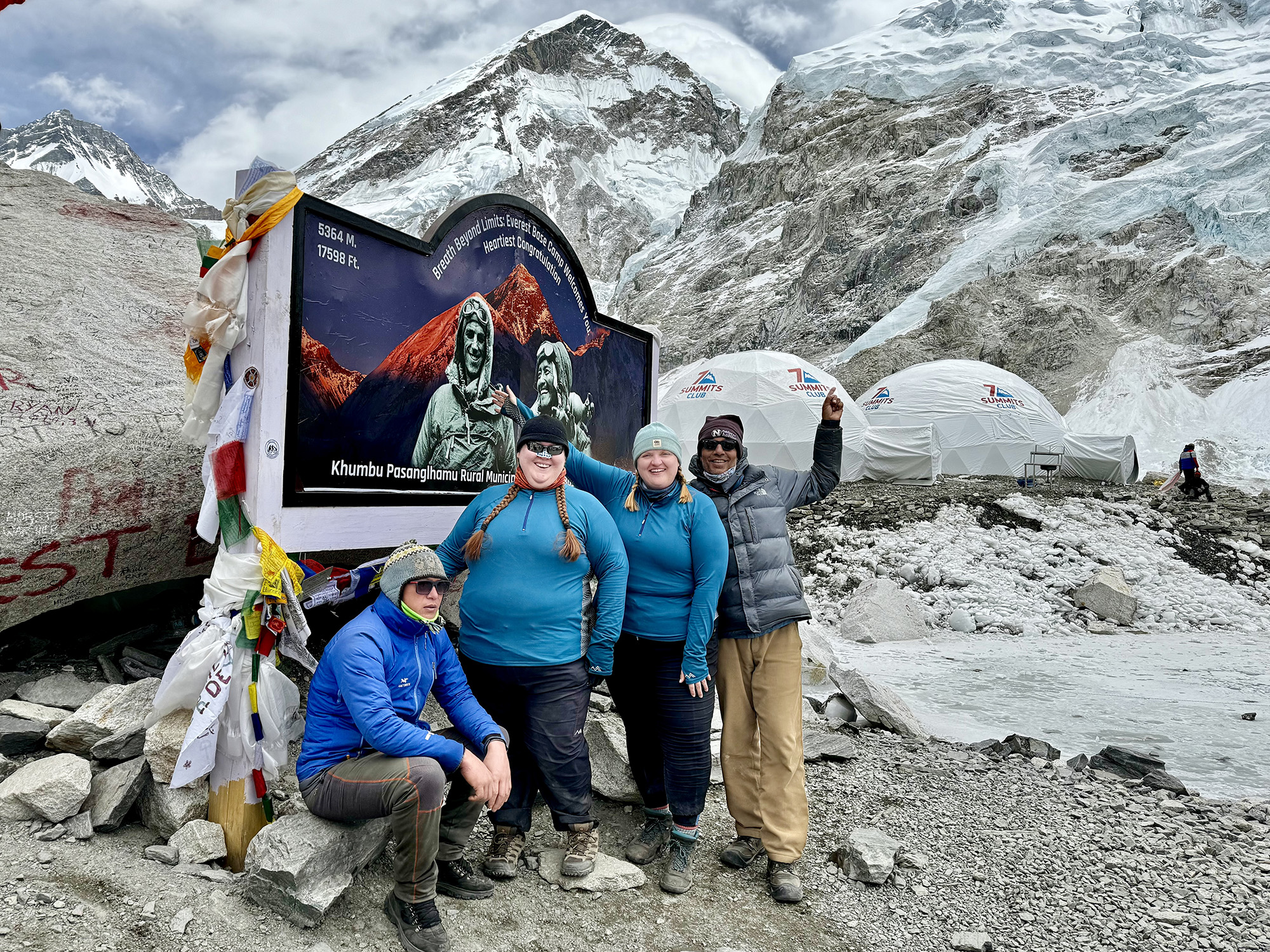
The trek ends at Everest Base Camp (5,364m) with stunning glacier views.
Highlights
- Thrilling Lukla flight
- Sherpa culture and villages
- Panoramic views of Everest, Lhotse & Ama Dablam
- Standing at the base of the world’s highest mountain
Gokyo Valley Trek
The Gokyo Valley trek offers a quieter alternative with equally stunning scenery.
Key Features
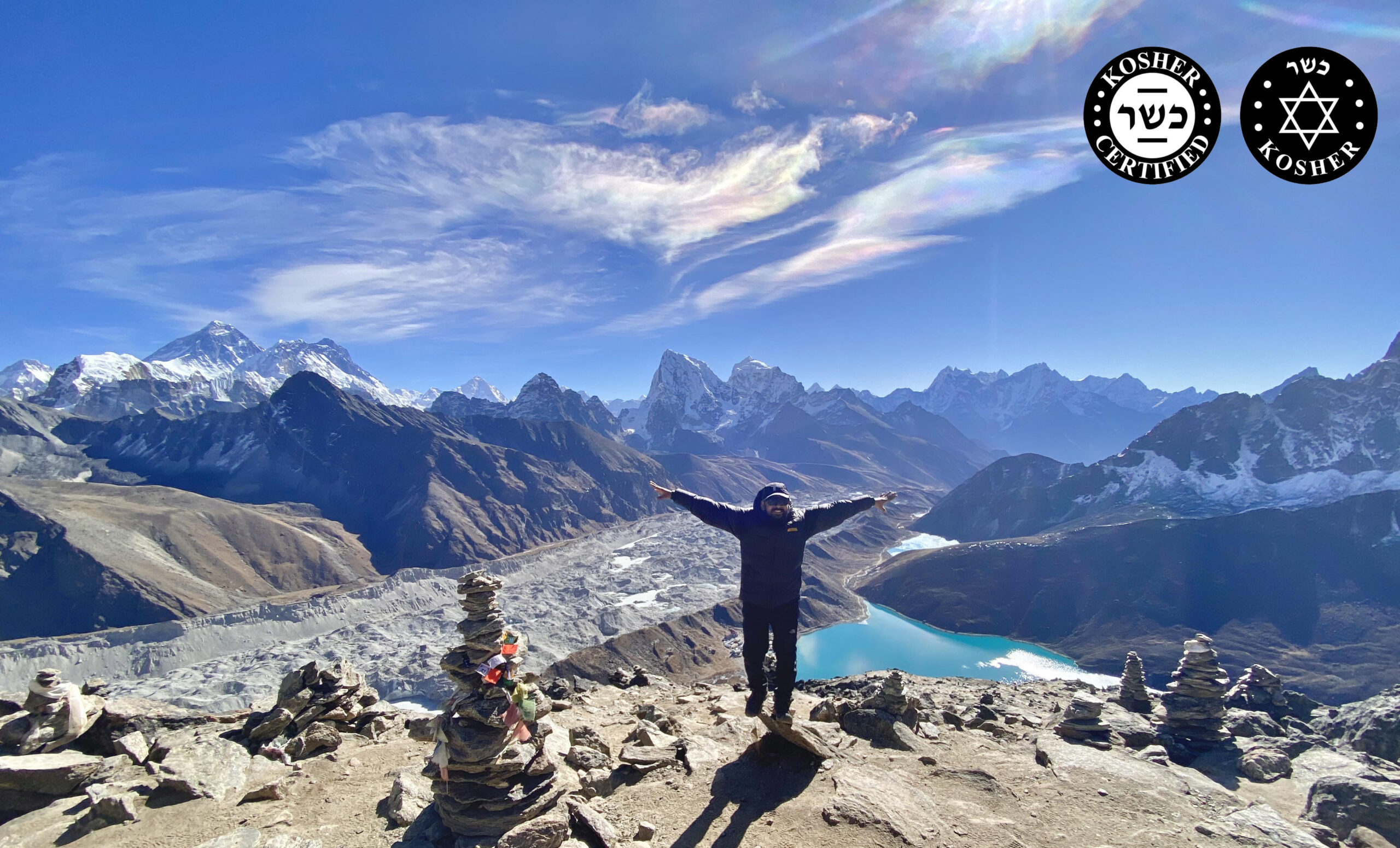
- Turquoise Gokyo Lakes
- Views from Gokyo Ri (5,357m)
- Walk alongside the Ngozumpa Glacier
Ideal for trekkers seeking fewer crowds and unique landscapes.
Peak Climbing in the Everest Region
Island Peak (Imja Tse)
- Altitude: 6,189m
- Great for beginner climbers
- Combines trekking + mountaineering
Lobuche Peak
- Altitude: 6,119m
- More technical climb
- Requires prior experience
Mera Peak Expedition
The Mera Peak (6,476m) is perfect for serious adventurers.
Why Choose Mera Peak?
- Less crowded route
- Remote wilderness experience
- Views of Everest, Makalu & Kanchenjunga
Everest Trek Cost Breakdown
Typical costs vary depending on services:
- Budget trek: $1,200 – $1,500
- Standard package: $1,500 – $2,000
- Luxury trek: $2,000 – $2,500+
Includes:
- Guide & porter
- Accommodation
- Permits
- Meals
Best Time for Everest Trekking
- Spring (Mar–May): Best weather, blooming rhododendrons
- Autumn (Sep–Nov): Clear skies, peak visibility
- Winter: Cold but quieter
- Monsoon: Not recommended (rain, poor visibility)
Difficulty & Altitude
Everest trekking is moderate to challenging due to the altitude.
Key Challenges:
- High altitude (above 5,000m)
- Long walking days (5–7 hours)
- Risk of Acute Mountain Sickness
Proper acclimatization is essential.
Permits Required
To trek in the Everest region, you need:
- Sagarmatha National Park Permit
- Khumbu Pasang Lhamu Rural Municipality Permit
Everest Trek Comparison
| Trek | Duration | Difficulty | Max Altitude |
|---|---|---|---|
| Everest Base Camp | 12–14 days | Moderate | 5,364m |
| Gokyo Lakes | 14 days | Moderate | 5,357m |
| Mera Peak | 18 days | Hard | 6,476m |
Frequently Asked Questions (FAQ)
General Everest Trekking FAQs
- Question: Where is the Everest Region located?
Answer: The Everest Region lies in northeastern Nepal within Sagarmatha National Park. - Question: What is the Everest Region famous for?
Answer: It is famous for Mount Everest, Sherpa culture, and world-class trekking routes. - Question: What are the main trekking routes in the Everest Region?
Answer: Popular routes include:- Everest Base Camp Trek
- Gokyo Valley Trek
- Three Passes Trek
- Mera Peak Trek
- Question: Is the Everest trek suitable for beginners?
Answer: Yes, especially the Everest Base Camp trek, with proper preparation and acclimatization. - Question: How long does the Everest trek take?
Answer: Most treks range from 12 to 18 days, depending on the route.
Everest Base Camp Trek FAQs
- Question: How difficult is the Everest Base Camp trek?
Answer: It is considered moderate to challenging due to altitude and long walking days. - Question: What is the altitude of Everest Base Camp?
Answer: Everest Base Camp sits at 5,364 meters (17,598 ft). - Question: How far is the Everest Base Camp trek?
Answer: Approximately 130 km (round trip) from Lukla. - Question: Do I need a guide for Everest Base Camp?
Answer: A guide is highly recommended for safety, navigation, and local insights. - Question: Can I do Everest Base Camp solo?
Answer: Yes, but regulations and safety considerations may require a guide.
Cost & Budget FAQs
- Question: How much does the Everest trek cost?
Answer: Typically between $1,200 and $2,500, depending on services. - Question: What is included in the trekking cost?
Answer: Usually includes:- Permits
- Accommodation
- Meals
- Guide & porter
- Question: Are there hidden costs during the trek?
Answer: Yes, such as WiFi, hot showers, charging, and tips. - Question: How much money should I carry?
Answer: Around $200–$400 extra for personal expenses.
Best Time & Weather FAQs
- Question: What is the best time for the Everest trekking?
Answer: Spring (March–May) and Autumn (September–November). - Question: Can I trek in winter?
Answer: Yes, but it’s colder with fewer trekkers. - Question: Is the monsoon season good for trekking?
Answer: No, due to rain, clouds, and poor visibility. - Question: What is the temperature in the Everest Region?
Answer: Ranges from +15°C (lower areas) to -15°C or lower at high altitude.
Difficulty & Safety FAQs
- Question: What is Acute Mountain Sickness (AMS)?
Answer: Acute Mountain Sickness is caused by high altitude and low oxygen levels. - Question: How do I prevent altitude sickness
Answer:
- Acclimatize properly
- Stay hydrated
- Ascend slowly
- Question: Is the Everest trekking dangerous?
Answer: It is generally safe with proper preparation and guidance. - Question: What fitness level is required?
Answer: Moderate fitness with the ability to walk 5–7 hours daily.
Route & Logistics FAQs
- Question: Where does the trek start?
Answer: Most treks begin with a flight from Kathmandu to Lukla Airport. - Question: What is Lukla Airport known for?
Answer: It is one of the most thrilling mountain airports in the world. - Question: What are the key stops on the trek?
Answer:
-
- Namche Bazaar
- Tengboche Monastery
- Dingboche
- Lobuche
Accommodation & Food FAQs
- Question: What type of accommodation is available?
Answer: Teahouses with basic rooms and shared facilities. - Question: What kind of food is available?
Answer: Dal Bhat, noodles, soups, rice, pasta, and some Western dishes. - Question: Is drinking water safe?
Answer: Use purification tablets or bottled water.
Packing & Preparation FAQs
- Question: What should I pack for the Everest trek?
Answer:- Warm clothing
- Trekking boots
- Sleeping bag
- First aid kit
- Question: Do I need special gear?
Answer: Standard trekking gear is enough (no climbing gear for EBC).
The Everest region is more than just a trekking destination—it’s a journey through some of the most spectacular landscapes on Earth. Whether you choose the iconic Everest Base Camp trek, the serene Gokyo Valley, or a challenging peak climb, every route offers a unique blend of adventure, culture, and natural beauty.
Everest Region
Speedy Everest Base Camp Trek - 10Days
For adventurers with limited time, the 10-day Speedy Everest Base Camp Trek is the ideal option. Also known as...

Gokyo Valley Kosher Trek - 16Days
Gokyo Valley Kosher Trek: A Tranquil Retreat in the Heart of the Himalayas Escape the hustle and bustle of...

Special Everest Base Camp with 37MIN - 19Days
Trek the Special Everest Base Camp: A Unique Adventure for Plus-Size Enthusiasts Are you an adventure enthusiast with a...
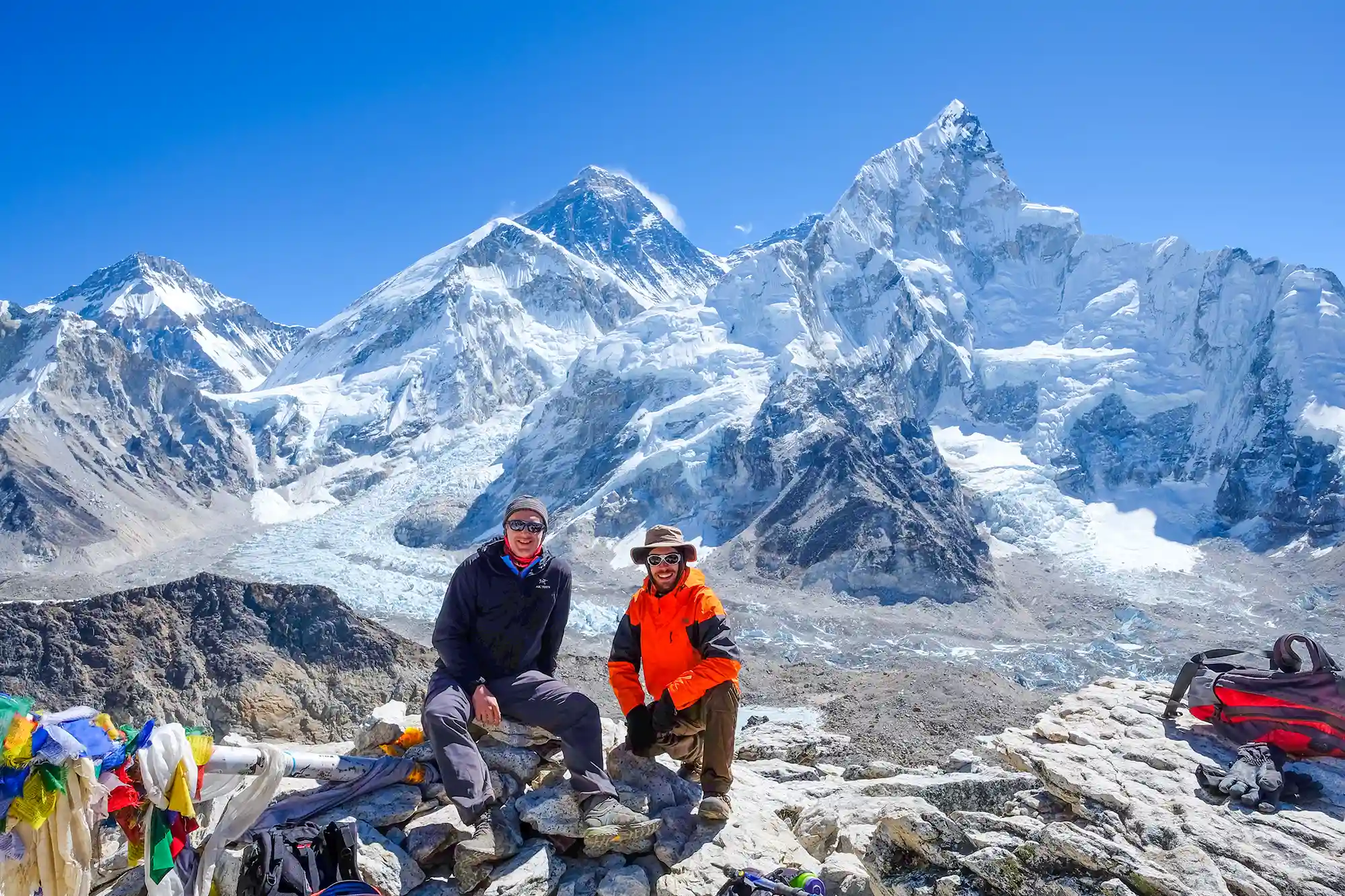
Everest Base Camp Standard Trek - 14Days
Everest Base Camp Trek: Your Ultimate Himalayan Hiking Adventure Dreaming of an unforgettable Everest hike? Embark on the iconic...
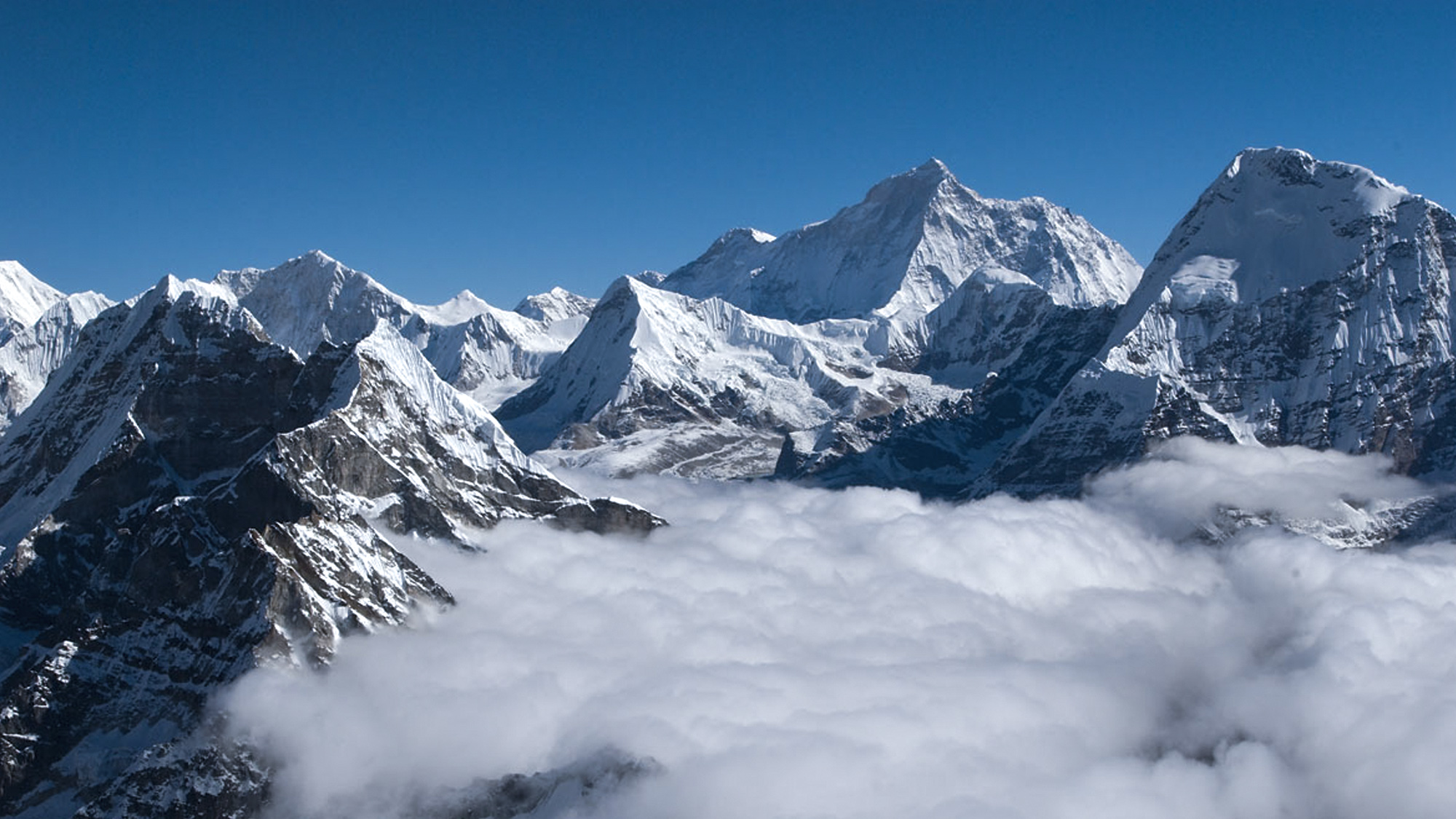
Mera Peak Climbing - 16Days
Discover the breathtaking adventure of Mera Peak Climbing, Nepal’s highest trekking peak, nestled in the stunning Makalu Barun National...
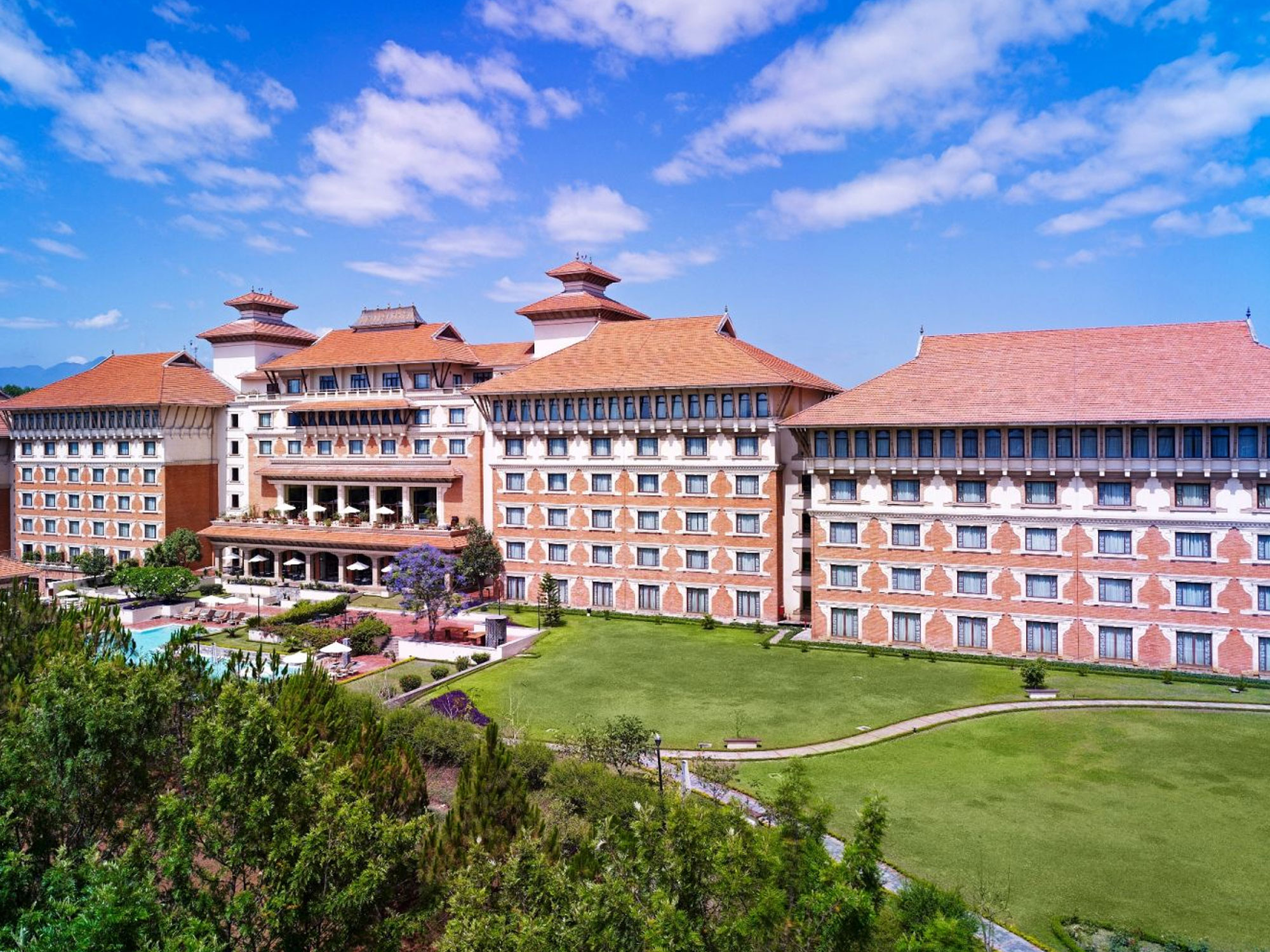
Everest Luxury Panorama Trek - 9Days
Embark on the Everest Panorama Luxury Trek Experience the majestic beauty of the Himalayas like never before with the...

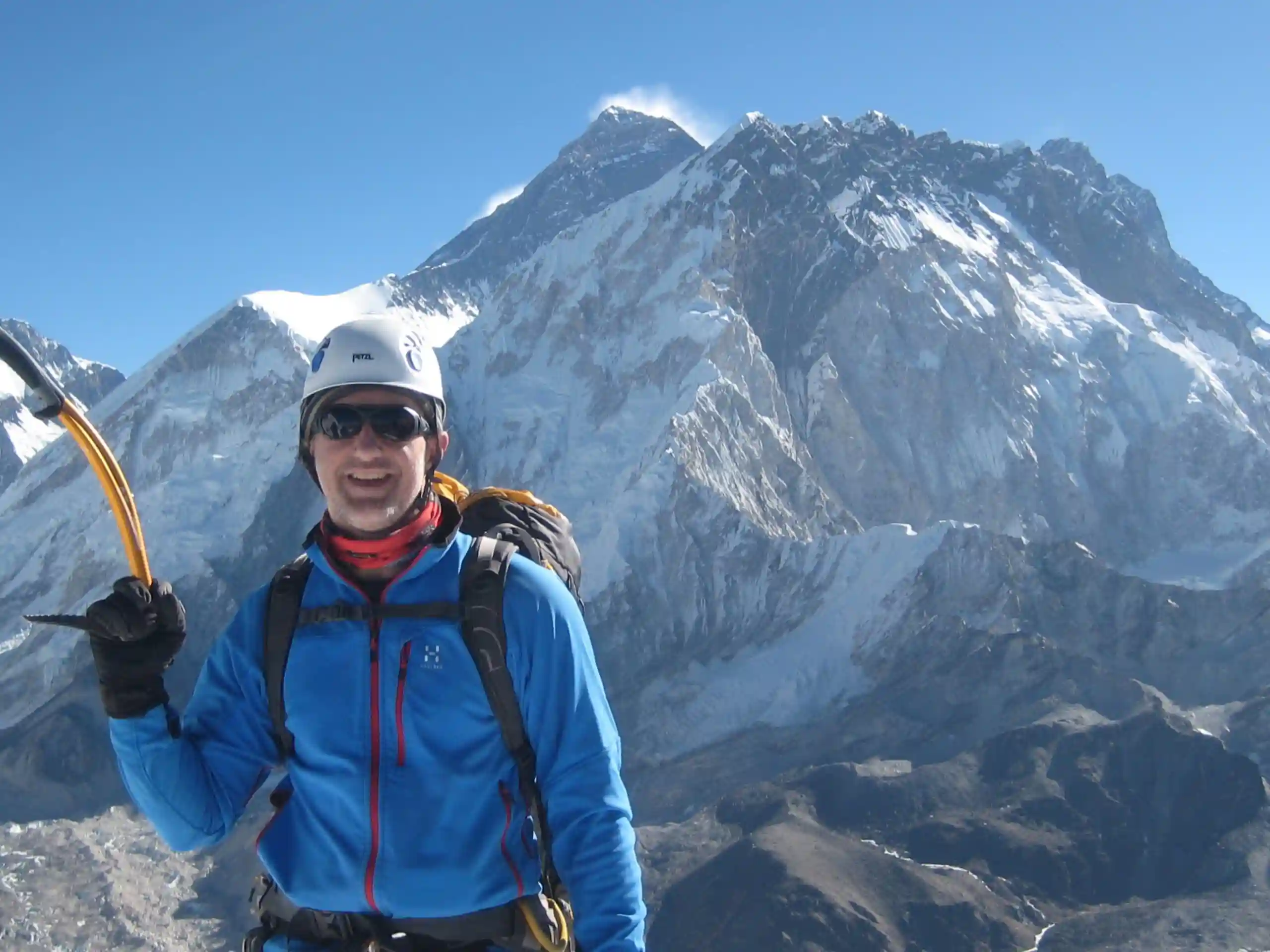
Everest Base Camp with Lobuche East Trekking Peak - 20Days
The Lobuche East Trekking Peak is a thrilling adventure in Nepal that attracts climbers from around the world. Standing...
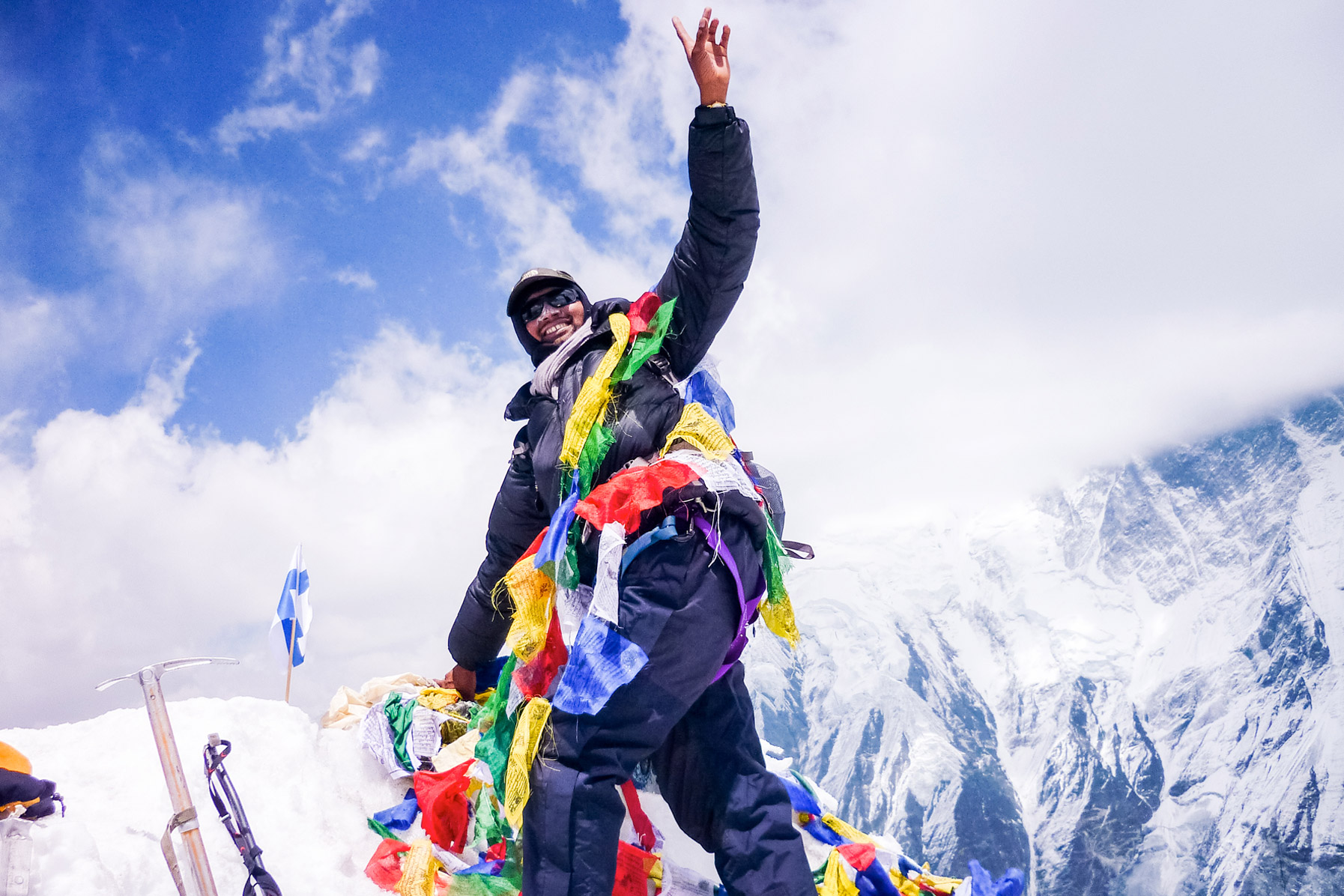
Island Peak Climbing - 16Days
Island Peak Adventure: A Journey to the Heart of the Everest Region Discover the allure of Island Peak, locally...
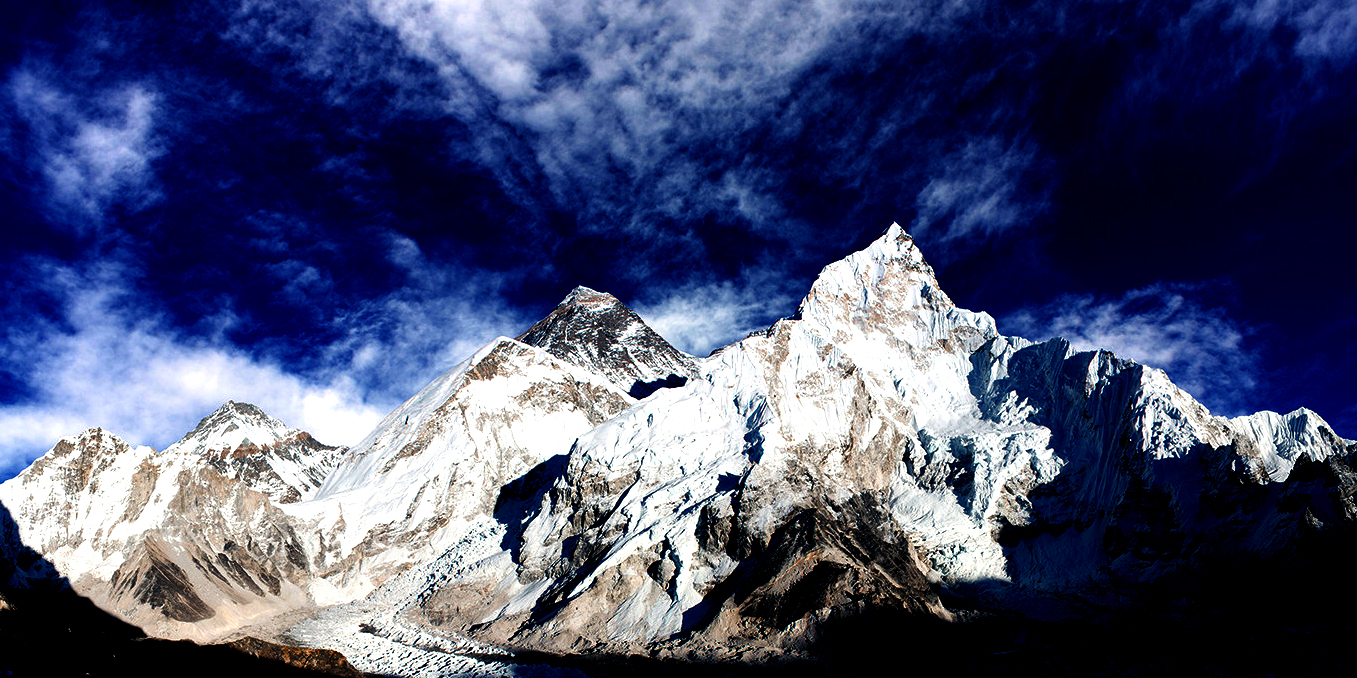
Jiri to Everest Base Camp Trek - 26Days
Embark on a classic and picturesque journey to Everest Base Camp that begins in the quaint town of Jiri....
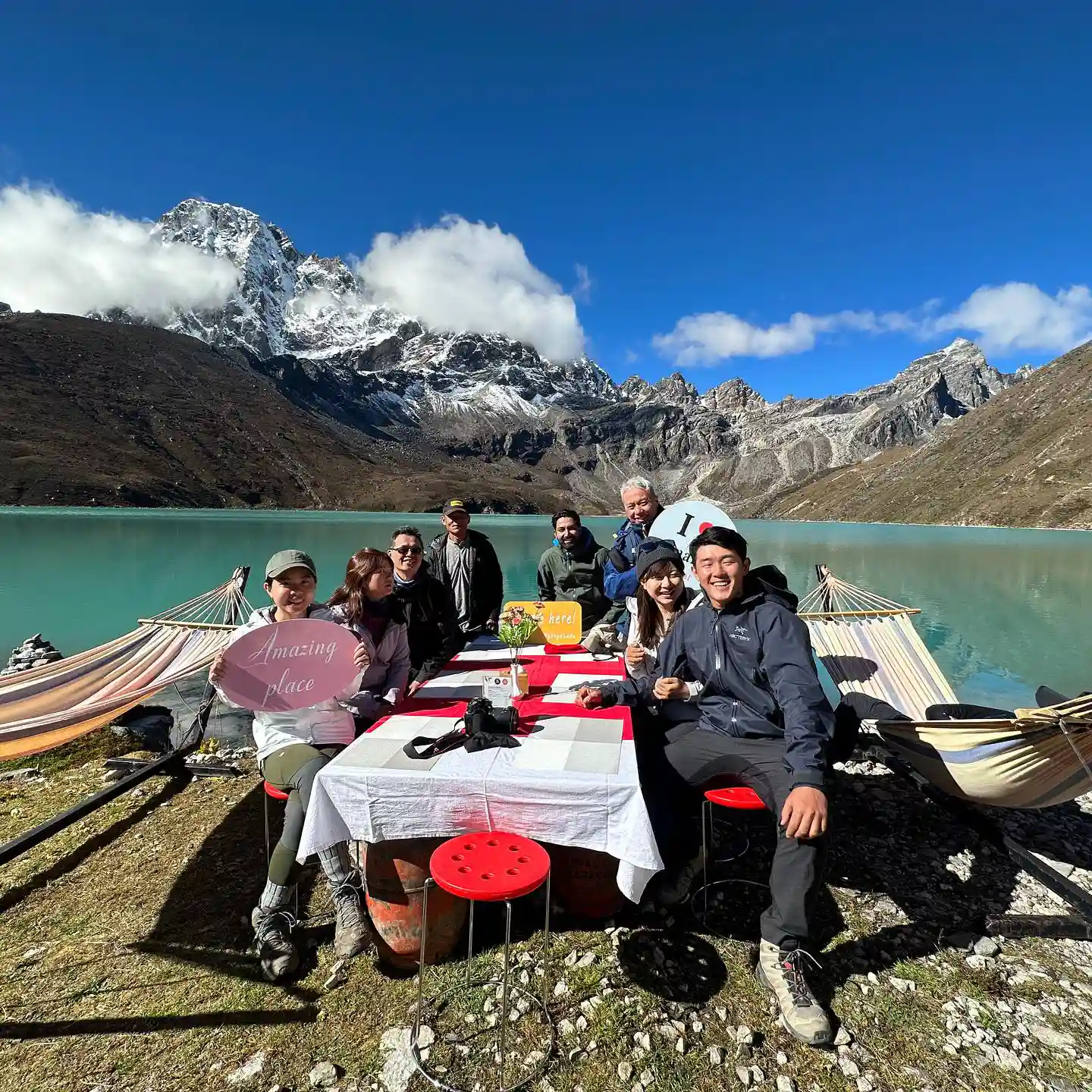
Gokyo Lake Holidays - 15Days
Gokyo Lake Holidays : A Tranquil Retreat in the Heart of the Himalayas Escape the hustle and bustle of...
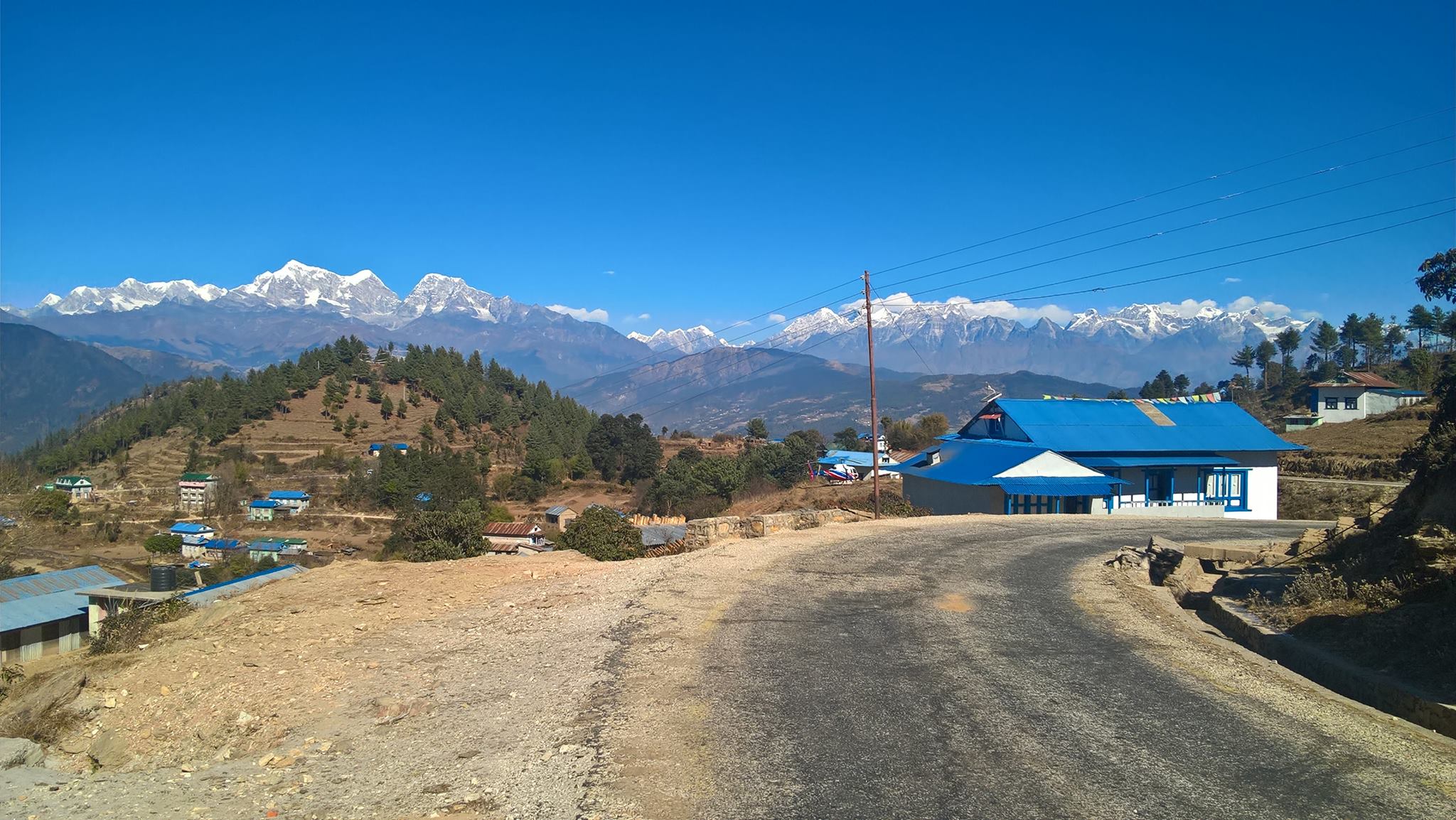
Pikey Peak Trek - 14 Days
Pikey Peak Trek: A Tranquil Himalayan Escape to the Roof of the World Embark on a hidden gem of...
Renjo La Pass Trek - 12Days
Renjo La Pass Trek: A Panoramic Odyssey through the Everest Region Embark on a breathtaking journey through the heart...
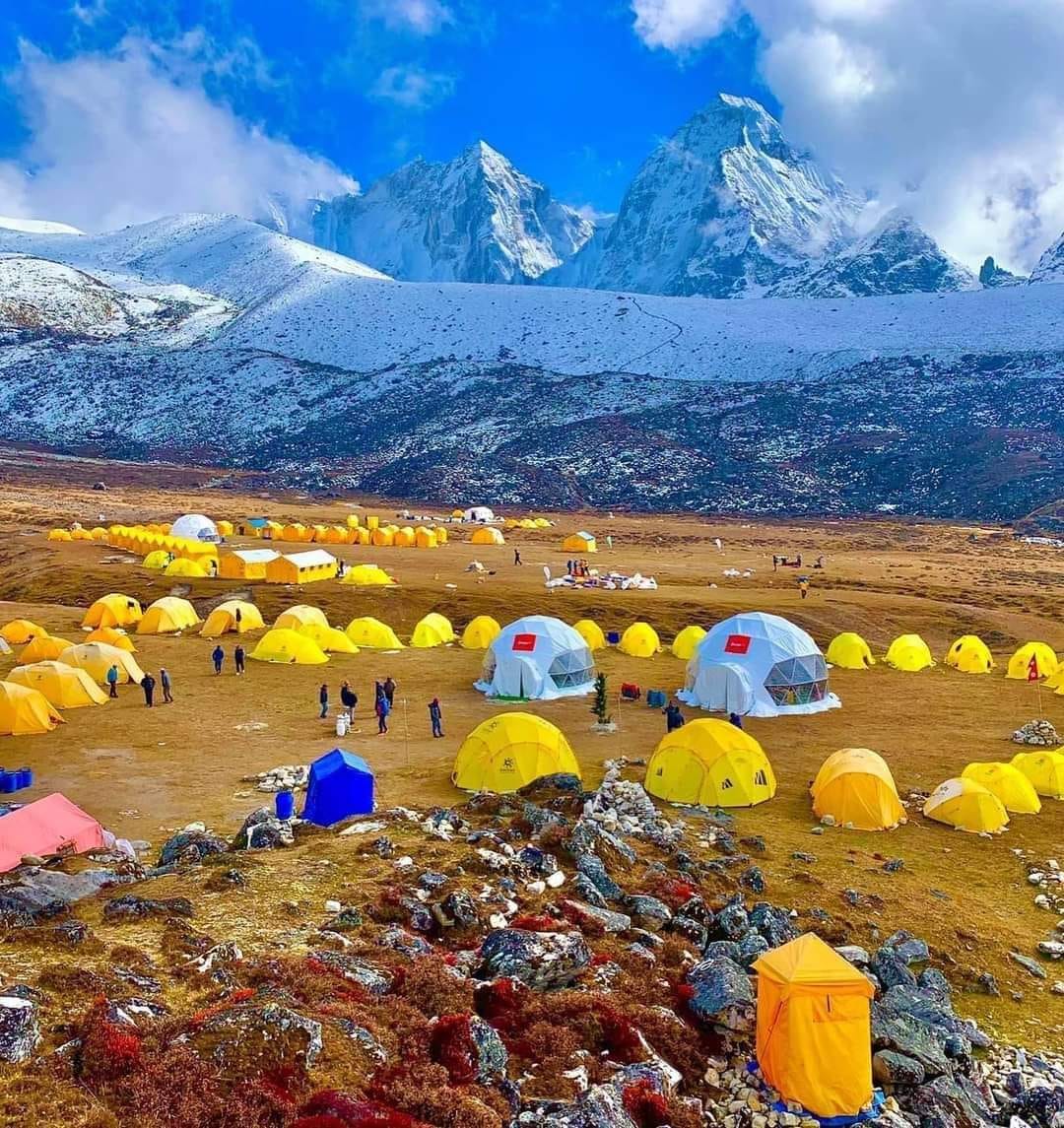
Amadablam Base Camp Trek - 10Days
Embark on a captivating journey to the base camp of one of the most iconic peaks in the Himalayas...
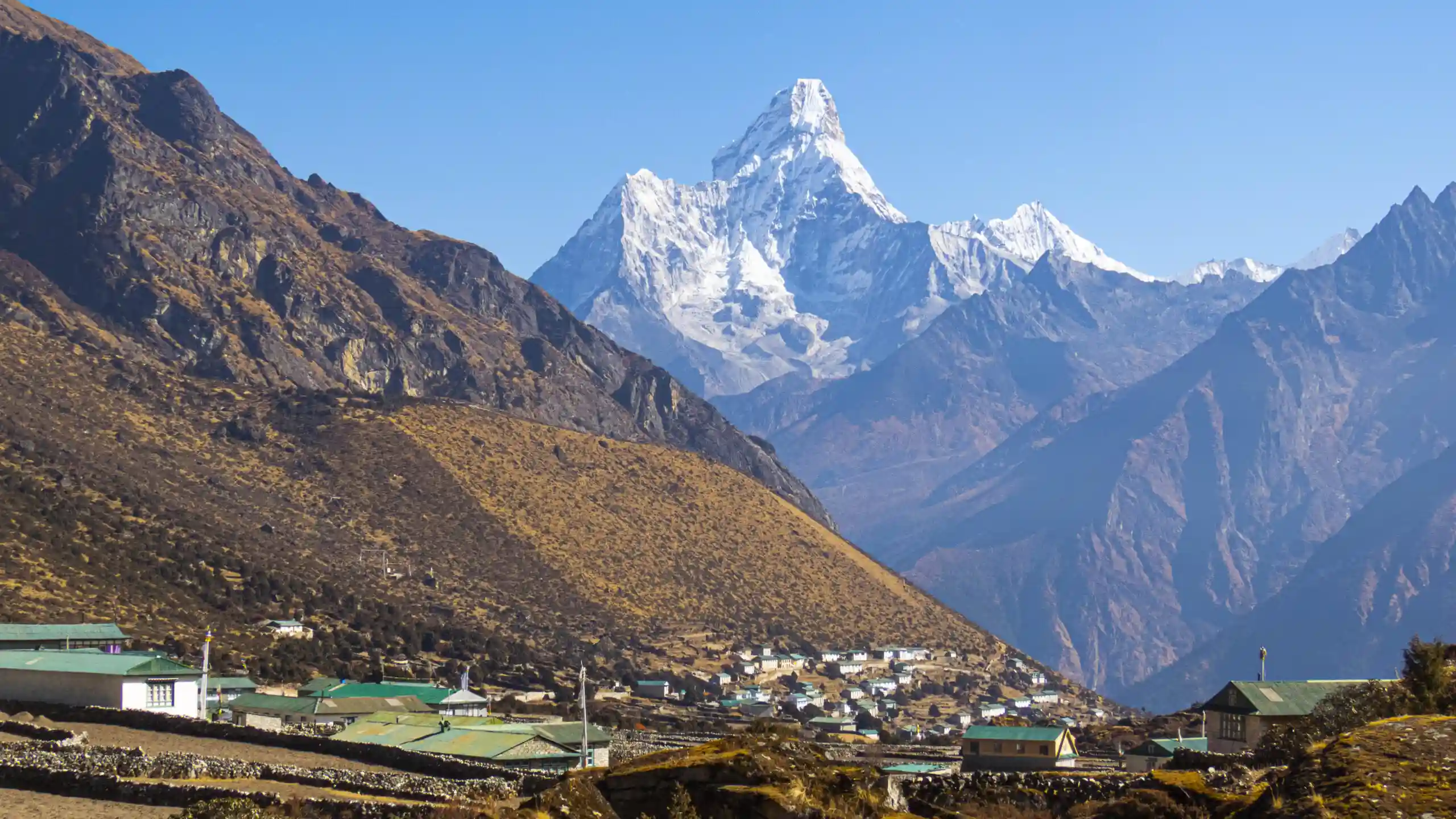
Everest Three Passes Trek - 19Days
Embark on the Ultimate Himalayan Odyssey: Everest Three Passes Trek Prepare for an extraordinary adventure as you embark on...
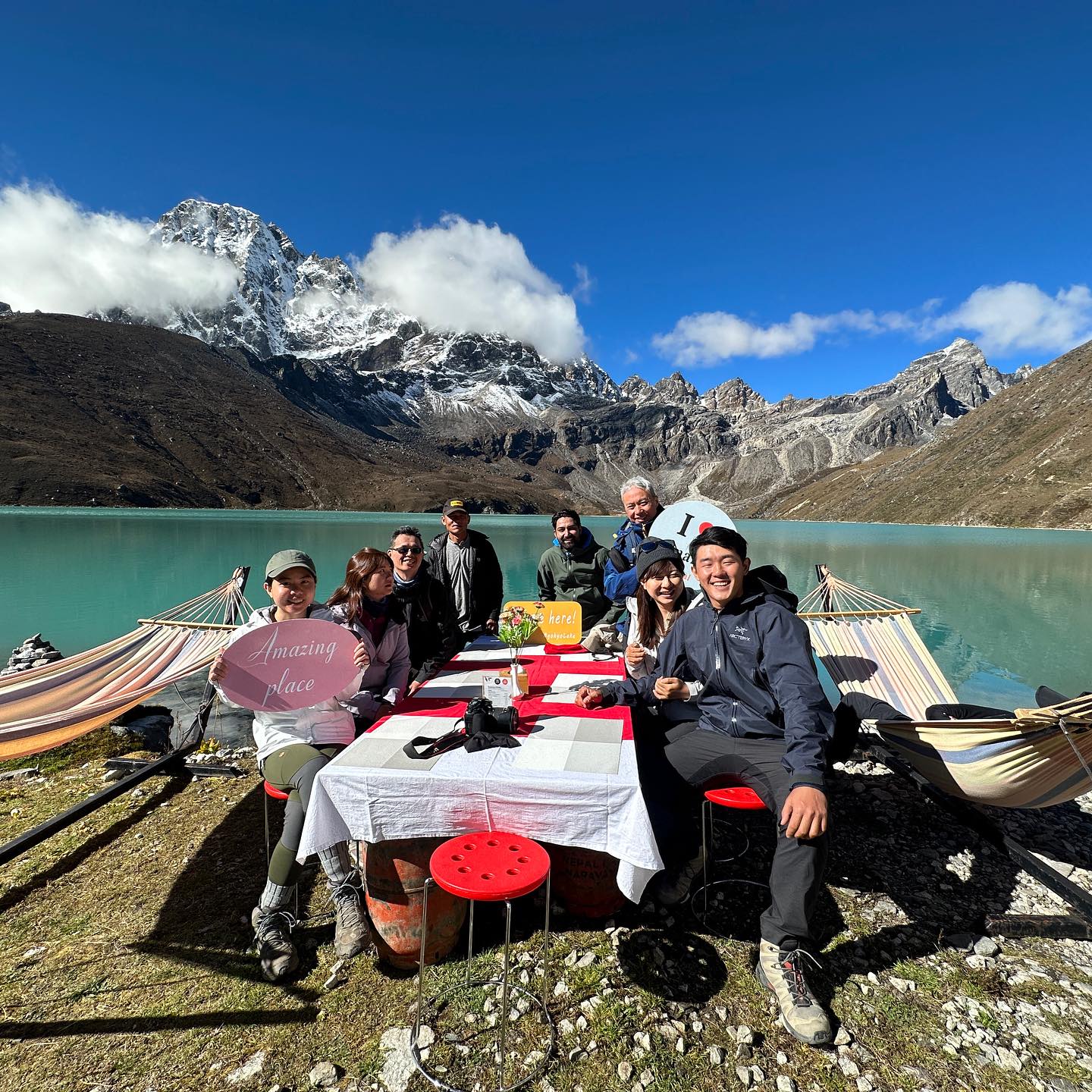
Gokyo Valley Trek - 13Days
Unveiling the Hidden Gem: Gokyo Valley Trek – A Himalayan Odyssey Escape the ordinary and delve into the pristine...
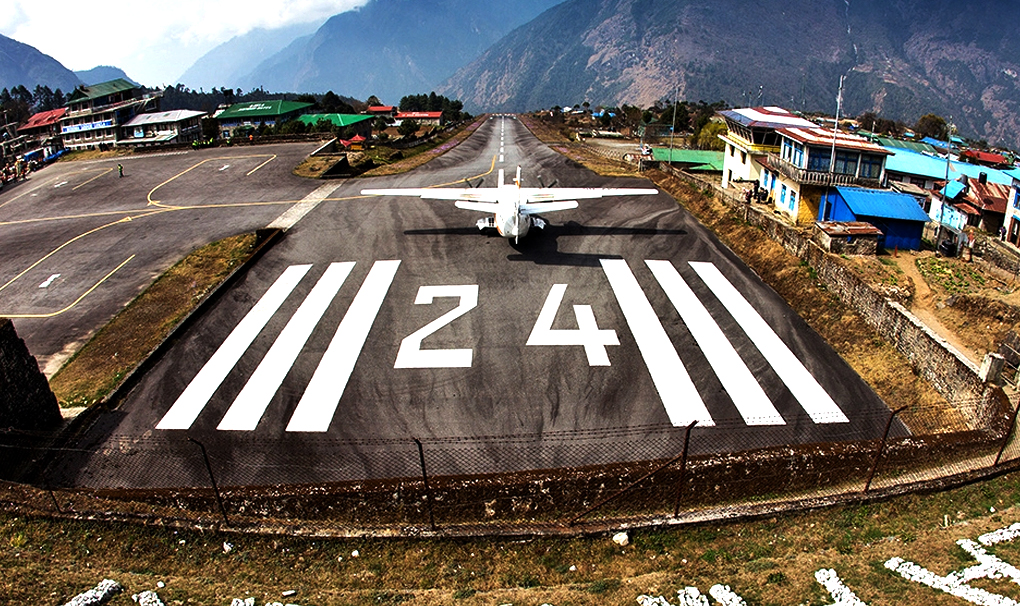
Everest Panorama Trek Up to Namche - 6Days
Embark on a mesmerizing journey into the heart of the Everest region with the Everest Panorama Trek, a soul-stirring...
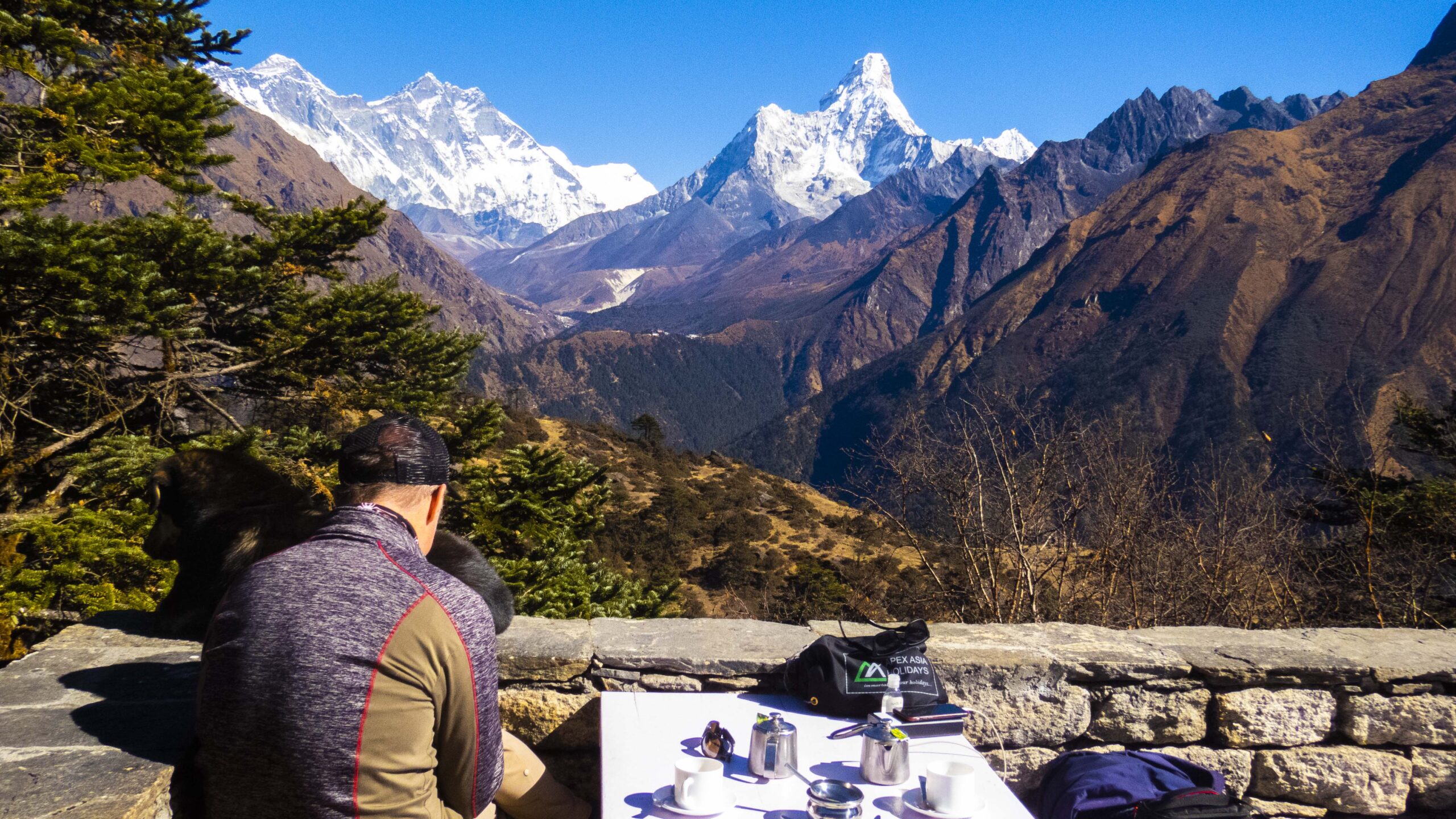
Gokyo Valley to Everest Base Camp Trek - 16Days
Embark on a transcendent journey that transcends ordinary trekking – the Gokyo Valley to Everest Base Camp trek with...
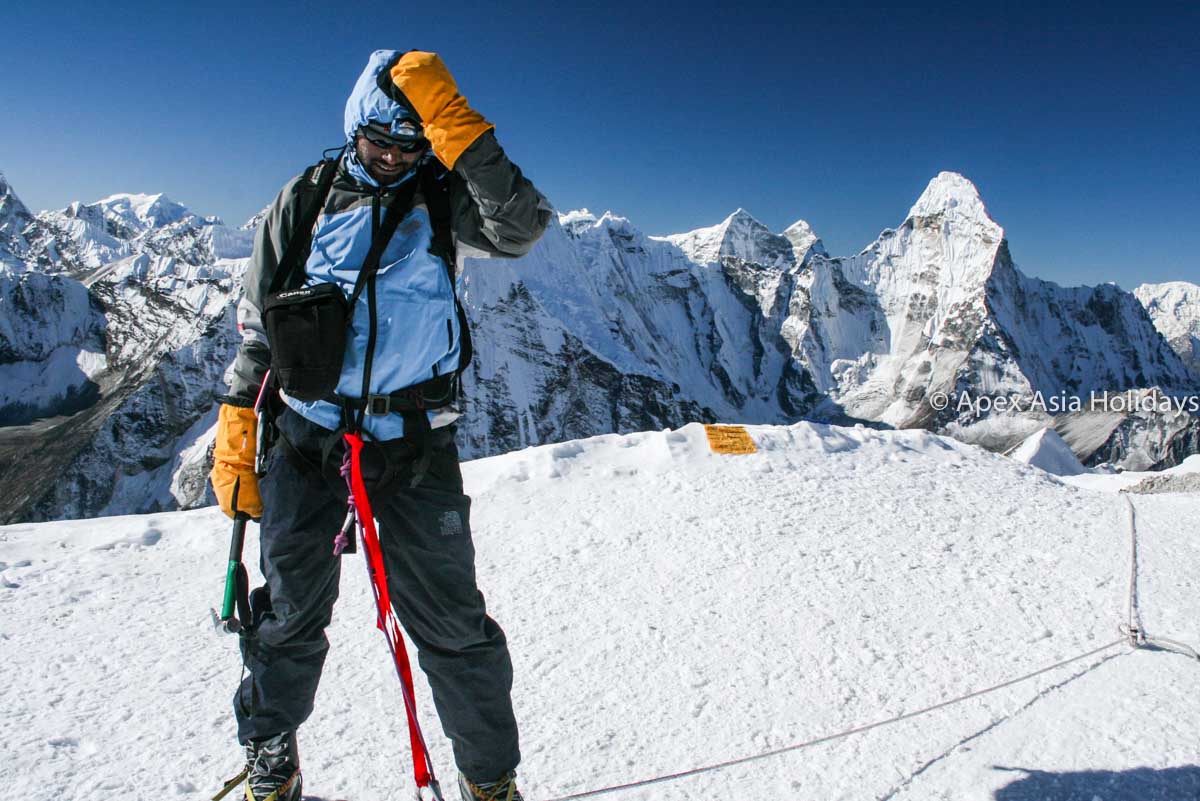
Everest Base Camp with Island Peak - 20Days
Embark on a Himalayan odyssey that combines the iconic Everest Base Camp trek with the exhilarating ascent of Island...
Everest Base Camp Trek - 15Days
Nestled in the heart of the majestic Himalayas, the Everest Base Camp Trek stands as a beacon for adventure...
