
Kayzo Ri Peak Climbing (6,186m): The Ultimate Guide to a Hidden Himalayan Expedition
 ramesh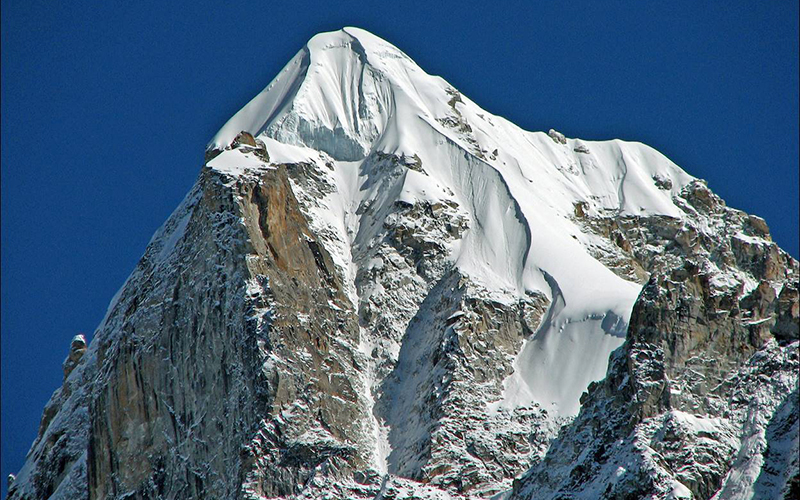
 Blog Read Time
Kayzo Ri Peak Climbing (6,186m): The Ultimate Guide to a Hidden Himalayan Expedition
Introduction: Beyond Everest’s Crowds
Tucked away in a remote corner of the Everest Region, far from the busy trails leading to Everest Base Camp, lies one of the most underrated alpine adventures in Nepal—the formidable Kayzo Ri Peak.
Rising to 6,186 meters, Kayzo Ri is not just a climb—it’s a journey into raw wilderness. Here, the silence is deeper, the landscapes are untouched, and the experience feels closer to a true expedition than a commercial trek.
For trekkers who have already walked the classic Everest trails and are now craving solitude, technical challenge, and authenticity—Kayzo Ri delivers something rare: adventure without crowds.
Where is Kayzo Ri Peak?
Kayzo Ri is located in the upper Khumbu Valley of northeastern Nepal, near the historic trade routes leading toward Tibet. The journey begins in Kathmandu and quickly transitions into the dramatic alpine terrain of the Sagarmatha National Park.
Unlike mainstream trekking routes, this climb branches off from the busy corridor after Namche Bazaar, leading into the quiet and culturally rich Thame Valley—a region deeply connected to Sherpa heritage and mountaineering history.
The Journey Begins: Kathmandu to Lukla
Every Himalayan story begins with anticipation, and few starts are as thrilling as the flight from Kathmandu to Lukla Airport. Perched dramatically on a mountainside at 2,860 meters, Lukla is often described as one of the most exciting airports in the world.
From here, the rhythm of the trek begins—following the Dudh Koshi River through pine forests, suspension bridges, and small villages where prayer wheels spin and mani stones line the trail.
Into the Heart of Khumbu: Trekking Phase
Lower Trails: Forests, Rivers & Villages
The initial days take you through:
- Phakding
- Monjo
- Entry into Sagarmatha National Park
The trail is alive with:
- Rhododendron forests
- Glacial rivers
- Hanging bridges draped in prayer flags
Namche Bazaar: Gateway to the Himalayas
At 3,440 meters, Namche Bazaar is more than just a stop—it’s an experience. Cafés, bakeries, gear shops, and mountain views blend into a vibrant acclimatization hub.
Here, trekkers begin to feel the altitude, and the journey slows down to allow the body to adapt.
Thame Valley: Entering the Quiet World
Leaving the main Everest trail behind, the route veers toward Thame—a place rich in mountaineering history and spiritual energy.
This is where the transformation happens:
- Fewer trekkers
- Deeper silence
- More authentic cultural encounters
Ancient monasteries, yak pastures, and stone-built homes define the landscape.
Expedition Phase: From Trekking to Climbing
As you move beyond Lungden, the terrain becomes more rugged and isolated. Trails fade into rocky moraine, glaciers, and high alpine camps.
Base Camp & High Camp
- Establishing a camp in the remote wilderness
- Training with ropes, crampons, and ice axes
- Watching weather patterns closely
The nights grow colder, the air thinner, and the stars brighter than anywhere else on Earth.
Summit Push: The Final Ascent
Summit day begins in darkness—often around 2–3 AM.
Climbers move slowly under headlamps, crossing:
- Snow slopes
- Ice ridges
- Glacier sections
The final ascent demands:
- Focus
- Endurance
- Mental strength
And then, at sunrise…
You stand on the summit of Kayzo Ri.
Summit Views: A Himalayan Panorama
From the top, the world opens in every direction.
You’ll witness breathtaking views of:
- Mount Everest
- Makalu
- Cho Oyu
The horizon stretches endlessly across snow-covered giants—a reward that few ever experience.
Difficulty & Technical Details
Kayzo Ri is not a beginner peak.
Key Challenges:
- Altitude above 6,000m
- Technical climbing sections
- Glacier travel
- Remote logistics
Required Skills:
- Use of crampons & ice axe
- Rope techniques
- Strong physical conditioning
This is a true expedition-style climb, not just a trek.
Best Time to Climb
Spring (March–May)
- Stable snow conditions
- Clear skies
- Best summit success rates
Autumn (Sept–Nov)
- Crisp air
- Excellent visibility
Avoid:
- Monsoon (rain & landslides)
- Winter (extreme cold & risk)
Cost Breakdown
Typical expedition cost: $3,000 – $6,000
Includes:
- Permits & fees
- Professional guides
- Food & accommodation
- Climbing logistics
Excludes:
- Personal gear
- Insurance
- Tips
Altitude & Safety
Climbing at this level exposes trekkers to Acute Mountain Sickness and other risks.
Safety Essentials:
- Gradual acclimatization
- Hydration
- Emergency planning
- Experienced guide support
Packing Essentials
- High-altitude down jacket
- Mountaineering boots
- Thermal base layers
- Gloves, goggles, and a helmet
- Sleeping bag (-20°C or lower)
Cultural Experience: The Sherpa Connection
Beyond the mountains, the journey offers deep cultural immersion.
The Sherpa communities of Khumbu are known for:
- Hospitality
- Mountaineering legacy
- Spiritual traditions
Monasteries, prayer flags, and Buddhist rituals are woven into daily life—adding meaning to every step of the journey.
FAQs – Kayzo Ri Peak
Is Kayzo Ri crowded?
No, it is one of the least crowded peaks in the Everest region.
How long is the expedition?
Typically 18–22 days.
Do I need prior climbing experience?
Yes, basic mountaineering skills are required.
Is it harder than Island Peak?
Yes, it is more remote and slightly more demanding.
General Information
Where is Kayzo Ri Peak located?
Kayzo Ri Peak is located in the upper Khumbu area of northeastern Nepal within the Everest region.
How high is Kayzo Ri Peak?
Kayzo Ri stands at an altitude of 6,186 meters (20,295 ft).
Is Kayzo Ri a trekking peak or an expedition peak?
It is considered a trekking peak but with expedition-style challenges.
Why is Kayzo Ri Peak less popular?
It is remote, less commercialized, and requires technical climbing skills.
What makes Kayzo Ri unique?
It’s untouched trails, solitude, and an authentic Himalayan experience.
Trekking & Route FAQs
Where does the Kayzo Ri trek start?
The journey begins in Kathmandu with a flight to Lukla Airport.
What is the main trekking route to Kayzo Ri?
Via Namche Bazaar → Thame → Lungden → Base Camp.
Is the route similar to Everest Base Camp?
Partially, until Namche Bazaar, then it diverts.
What is the total trekking distance?
Approximately 120–150 km round trip.
How many days are required for Kayzo Ri?
Usually 18–22 days, including acclimatization.
Difficulty & Technical FAQs
How difficult is Kayzo Ri Peak climbing?
It is challenging due to altitude, technical sections, and remoteness.
Do I need mountaineering experience?
Yes, basic skills like using crampons and ice axe are required.
Is Kayzo Ri harder than Island Peak?
Yes, it is more remote and slightly more technical than Island Peak.
What technical skills are required?
- Rope handling
- Ice climbing basics
- Glacier travel
What is the summit day like?
A long and demanding climb starting early morning with snow and ice sections.
Best Time & Weather FAQs
What is the best season for Kayzo Ri?
Spring (March–May) and Autumn (September–November).
Can Kayzo Ri be climbed in winter?
Possible but extremely cold and risky.
Is the monsoon season suitable?
No, due to rain, clouds, and landslides.
What is the temperature at High Camp?
Can drop below -20°C.
Altitude & Safety FAQs
What is the biggest risk during the climb?
Acute Mountain Sickness.
How do I prevent altitude sickness?
- Acclimatize properly
- Stay hydrated
- Ascend gradually
Is Kayzo Ri safe?
Yes, with proper preparation and experienced guides.
Do I need travel insurance?
Yes, covering high-altitude trekking and evacuation.
Cost & Budget FAQs
How much does the Kayzo Ri expedition cost?
Between $3,000 and $6,000.
What is included in the cost?
- Permits
- Guide & staff
- Meals & accommodation
- Climbing logistics
Are there extra expenses?
Yes, including gear, tips, and personal costs.
Permits & Regulations FAQs
What permits are required?
- Nepal Mountaineering Association permit
- Sagarmatha National Park entry permit
- Local permit
Where can I get these permits?
In Kathmandu or through trekking agencies.
Accommodation & Food FAQs
What type of accommodation is available?
Teahouses in lower areas, camping at higher altitudes.
What food is available during the trek?
Dal Bhat, noodles, soups, rice, and energy meals.
Packing & Gear FAQs
What gear is required for Kayzo Ri?
- Mountaineering boots
- Crampons
- Ice axe
- Down jacket
Can I rent gear in Kathmandu?
Yes, most equipment is available in Kathmandu.
Logistics & Travel FAQs
How do I reach the Everest Region?
Flight from Kathmandu to Lukla Airport.
Is the Lukla flight safe?
Yes, but weather-dependent.
Are there alternative routes?
Yes, via Phaplu or Salleri (longer trek).
Experience & Culture FAQs
What cultural experiences can I expect?
Sherpa villages, monasteries, and Buddhist traditions.
What is special about Thame village?
It is a historic Sherpa settlement with a strong mountaineering heritage.
Comparison FAQs
Is Kayzo Ri better than Everest Base Camp?
It depends—Kayzo Ri offers more adventure and fewer crowds than the Everest Base Camp Trek.
How does Kayzo Ri compare to Mera Peak?
Mera Peak is higher but less technical; Kayzo Ri is more remote.
Is Kayzo Ri good for photography?
Yes, it offers untouched landscapes and panoramic Himalayan views.
Is the internet available during the trek?
Limited in lower regions, none at higher camps.
Is Kayzo Ri a good acclimatization peak?
Yes, for climbers preparing for higher expeditions.
What is the success rate of Kayzo Ri?
Depends on weather, fitness, and acclimatization.
Do I need a guide for Kayzo Ri?
Yes, highly recommended for safety and navigation.
Final Thoughts: Why Kayzo Ri is Special
In a region dominated by famous names and busy trails, Kayzo Ri remains a hidden treasure.
It offers:
- Raw adventure
- True solitude
- Authentic Himalayan experience
For those willing to step beyond the ordinary, Kayzo Ri is not just a climb—it’s a story worth telling for a lifetime.
Related Stories & Blogs
September 18, 2026
Ultimate Pokhara Travel Guide: Top Things to Do in Nepal’s Adventure Capital
Blog Read Time This post has 864 words .This post has 5431 characters.This post take 5 minute to read....
August 26, 2026
Travel Alert: Langtang Trekking Area – Syabrubesi Route Flooded
Blog Read Time This post has 610 words .This post has 4008 characters.This post take 3 minute to read....
July 14, 2026
Mudi–Gurja–Jaljala Trek: Discover Nepal’s Hidden Himalayan Trail in the Dhaulagiri Region
Blog Read Time This post has 789 words .This post has 5548 characters.This post take 5 minute to read....
June 26, 2026
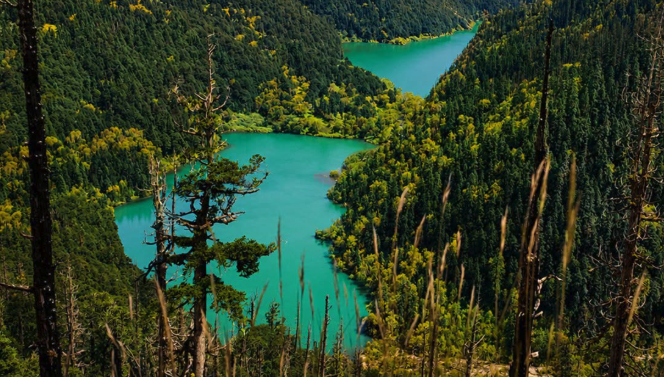
Gidi Lake: Jumla’s Hidden Alpine Jewel in the Heart of Karnali
Blog Read Time This post has 408 words .This post has 2790 characters.This post take 2 minute to read....
June 13, 2026
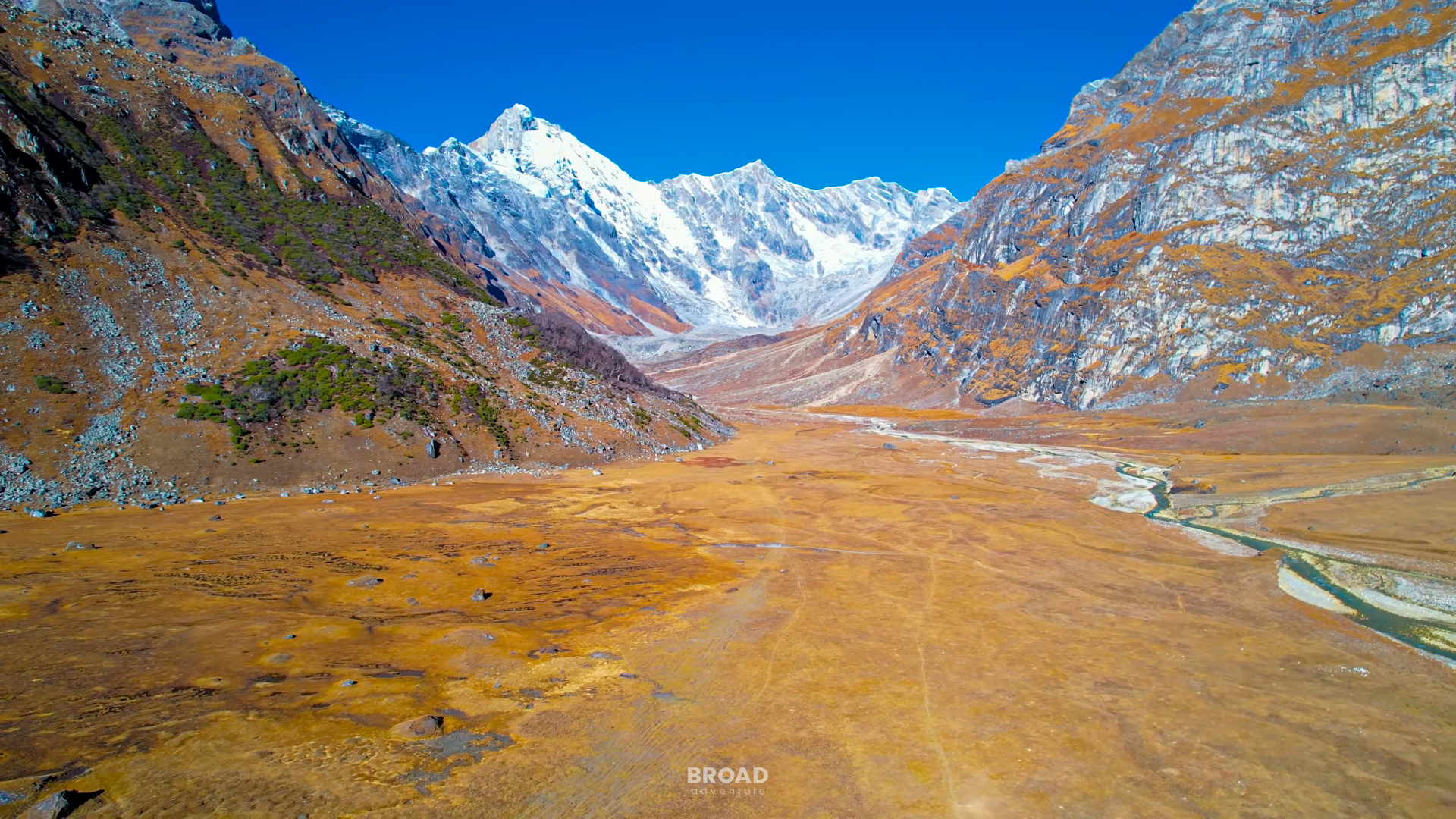
Api Himal Base Camp Trek 2026 – Complete Guide to Nepal’s Secret 7,132m Mountain
Blog Read Time This post has 965 words .This post has 6535 characters.This post take 5 minute to read....
May 11, 2026
Visit Nepal 2085: Your Ultimate Guide to Nepal’s Grand Tourism Renaissance
Blog Read Time This post has 835 words .This post has 5986 characters.This post take 4 minute to read....
May 08, 2026
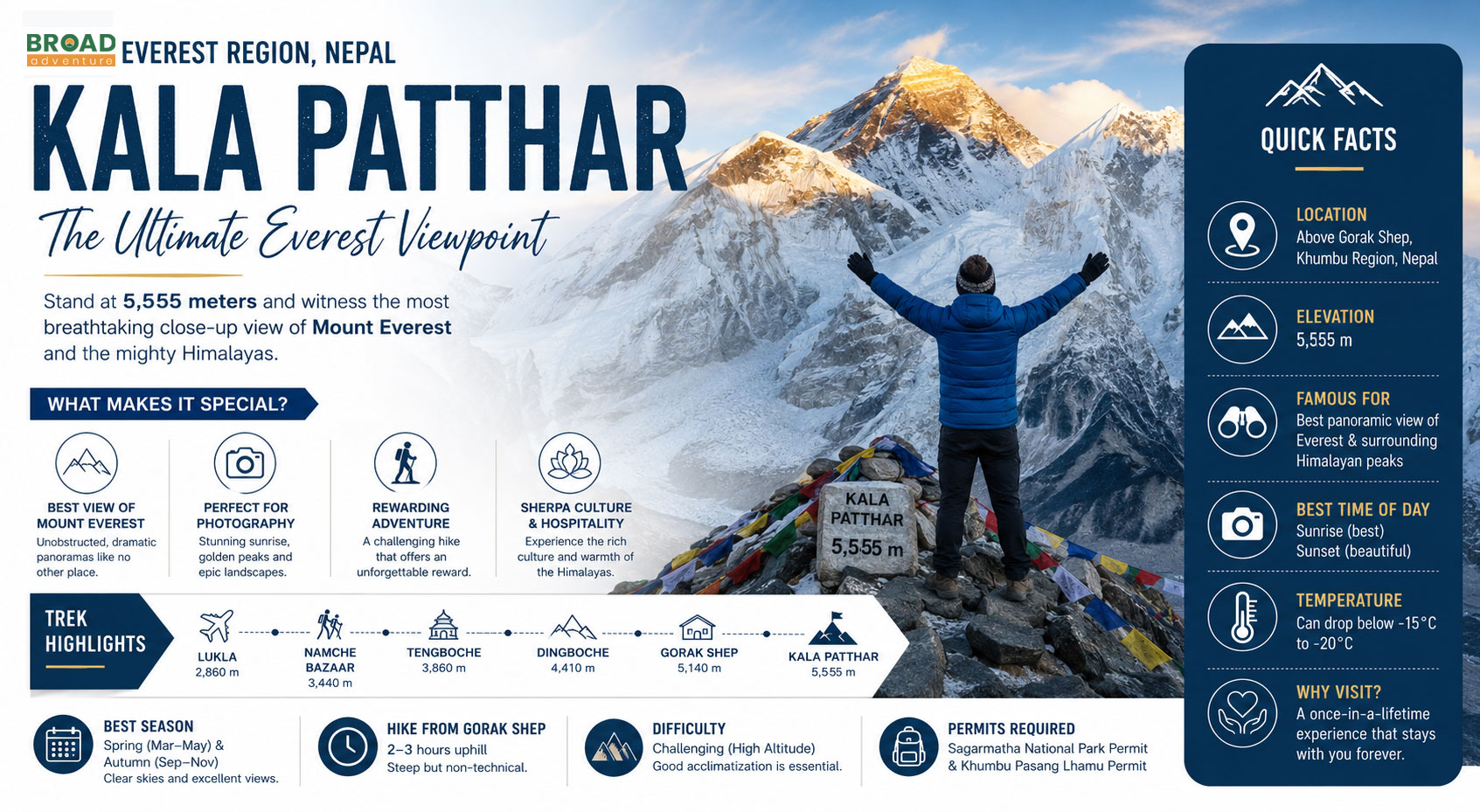
Kala Patthar – The Ultimate Everest Viewpoint in Nepal
Blog Read Time This post has 1004 words .This post has 6823 characters.This post take 6 minute to read....
March 23, 2026
Nepal Allows Solo Permits for Restricted Area Trekking
Blog Read Time This post has 791 words .This post has 5416 characters.This post take 5 minute to read....
January 02, 2026
Trekking Permits in Nepal: Complete Guide for 2026
Blog Read Time This post has 2403 words .This post has 17304 characters.This post take 12 minute to read....
