Annapurna Base Camp Trek: Connectivity Status and Travel Guide

Annapurna Base Camp Trek: Connectivity Status and Travel Guide

The Annapurna Base Camp (ABC) trek is a bucket-list adventure for many trekking enthusiasts, offering stunning landscapes and a chance to immerse in the local culture. However, staying connected with the outside world can be challenging in such remote areas. This guide provides a detailed overview of the connectivity status along the Annapurna Base Camp trek, ensuring you are well-prepared to manage your communication needs during your journey.

Introduction to Annapurna Base Camp Trek

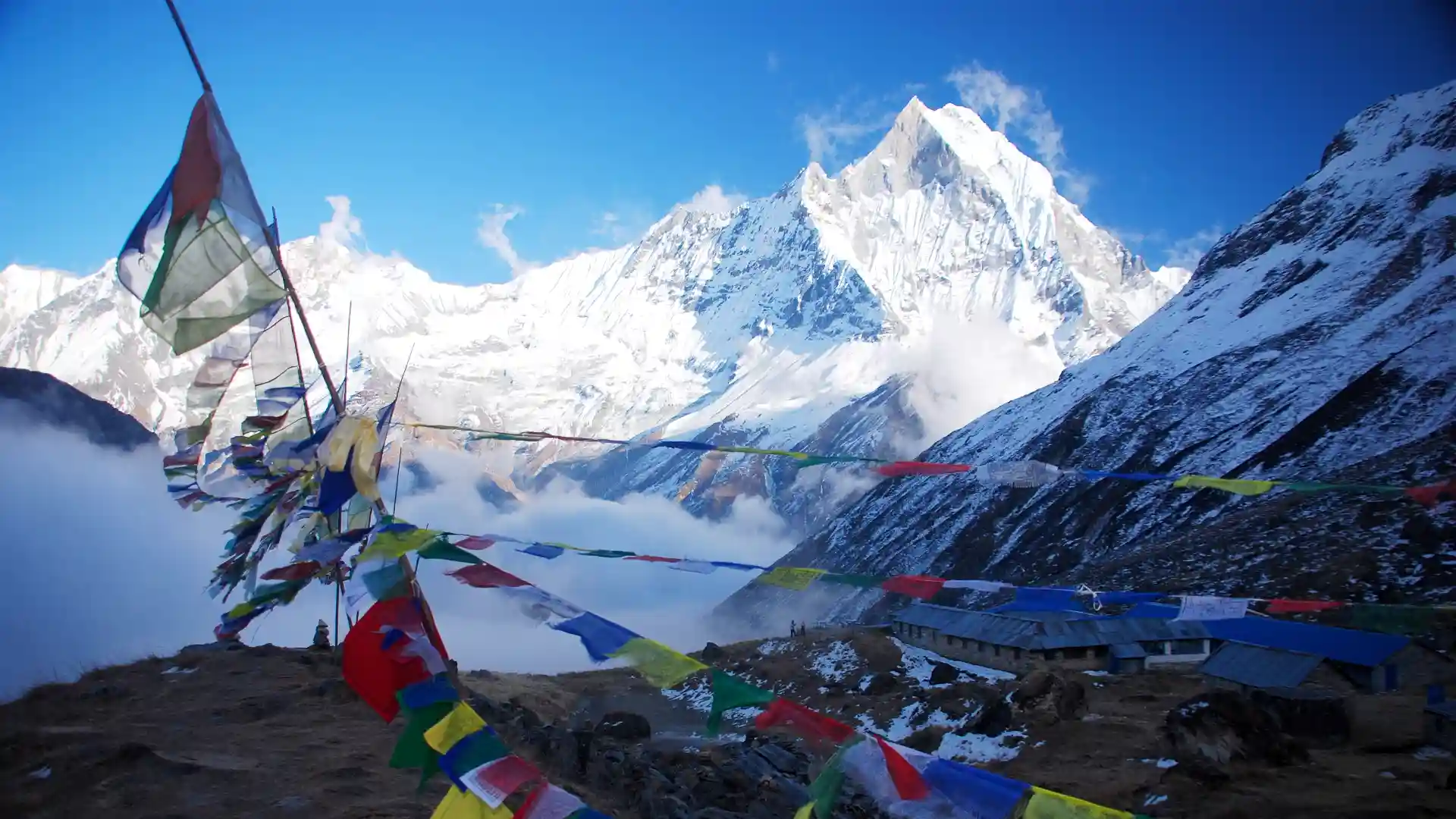
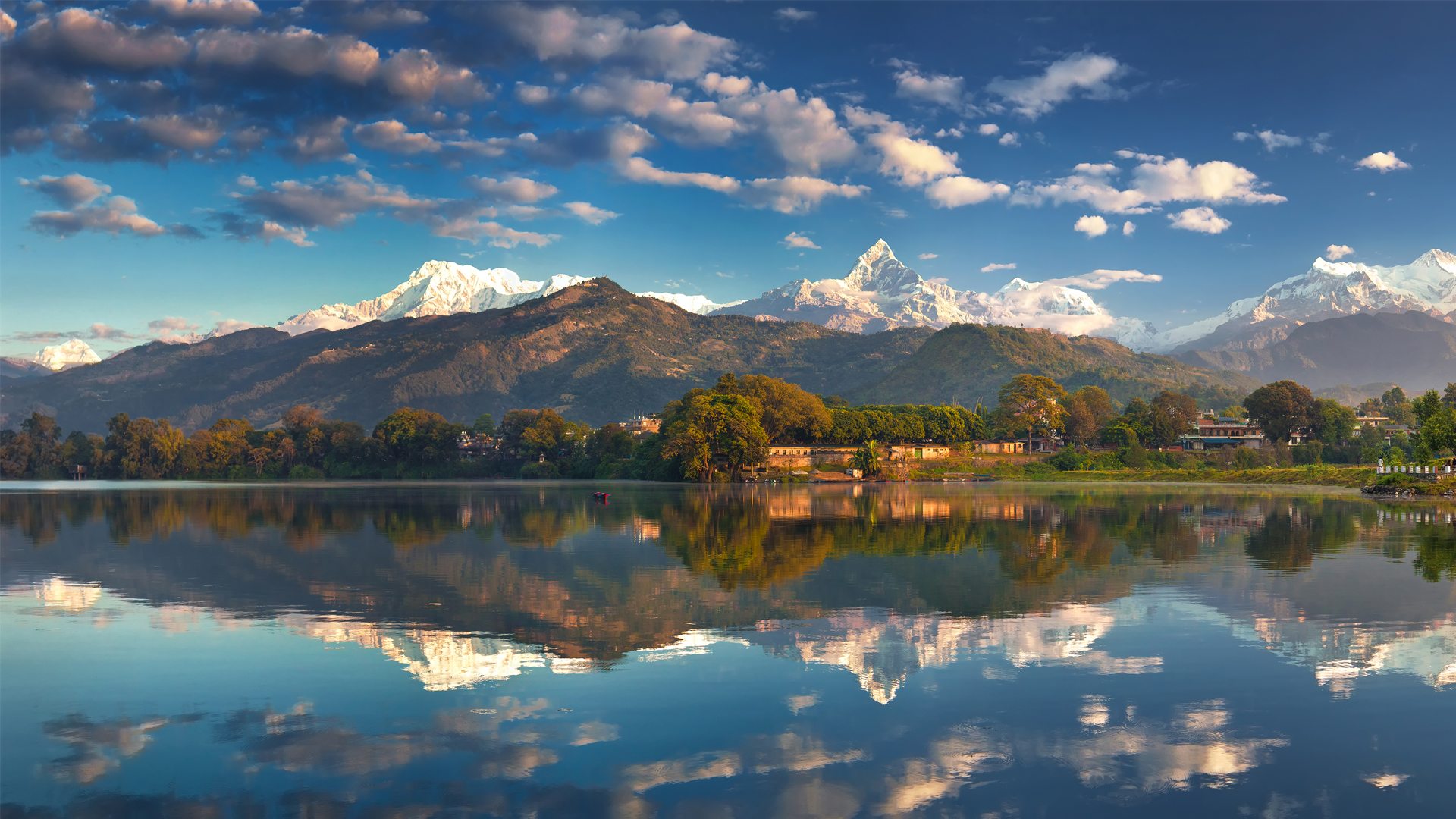
The Annapurna Base Camp trek is an iconic trekking route in Nepal that starts from the picturesque town of Pokhara and winds through lush forests, terraced fields, and traditional villages before reaching the base camp at an altitude of 4,130 meters. While the trek offers an unparalleled adventure experience, staying connected along the way requires some planning due to varying connectivity.

Mobile Network Coverage on the Trek

    1. Major Carriers:
    • Ncell: Known for its widespread network, Ncell provides decent coverage along the Annapurna Base Camp trek, although signal strength diminishes as you ascend.
    • Nepal Telecom (NTC): Another major provider, NTC, offers similar coverage with some variations in signal strength compared to Ncell.
  1. Coverage Breakdown:
    • Pokhara to Nayapul: Both Ncell and NTC offer strong coverage. You can easily make calls, send texts, and use mobile data.
    • Nayapul to Tikhedhunga/Ulleri: Signal strength remains strong with minor disruptions in dense forested areas.
    • Ulleri to Ghorepani: Coverage becomes patchier but is generally available in higher altitude spots and open areas.
    • Ghorepani to Tadapani: Expect variable coverage, with better signals in open and higher elevation areas.
    • Tadapani to Chhomrong: Coverage is good in villages, with occasional drops in deep valleys.
    • Chhomrong to Dovan: Limited connectivity, with sporadic signals near higher spots around Sinuwa.
    • Dovan to Deurali: Weak coverage with few areas providing signal.
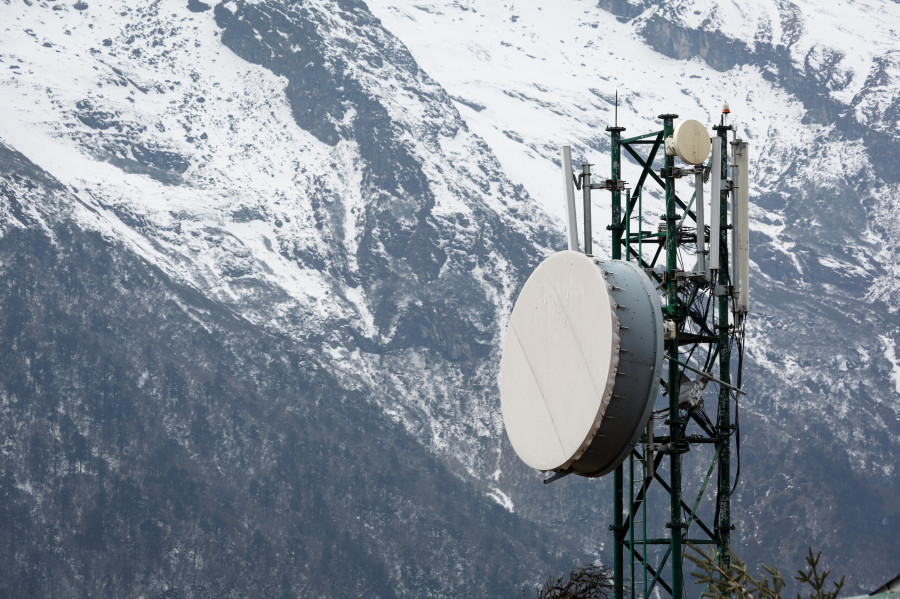
    • Deurali to Machapuchare Base Camp (MBC): Minimal to no coverage. Be prepared for limited to no mobile signal.
    • MBC to Annapurna Base Camp (ABC): Very weak or no signal, making this section of the trek mostly disconnected from mobile networks.

Internet Access Along the Trek

  1. Wi-Fi Availability:

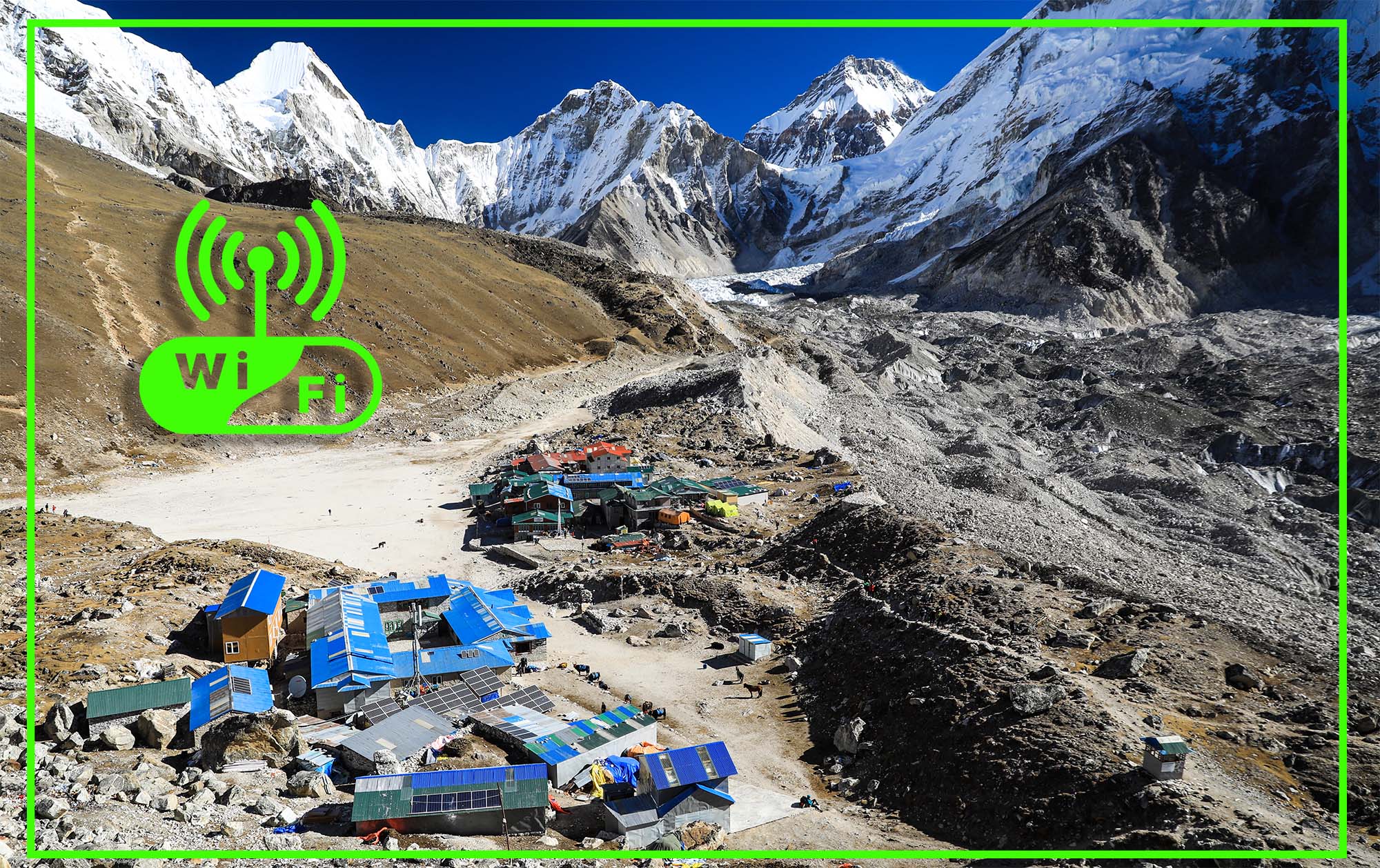
While mobile data can be unreliable, most teahouses along the Annapurna Base Camp trek offer Wi-Fi services, though they come at a cost. The quality and speed of the Wi-Fi vary significantly, especially as you gain altitude.

    • Pokhara to Chhomrong: Better Wi-Fi services are available, though expect basic connectivity that may not support heavy internet usage.
    • Chhomrong to ABC: Wi-Fi becomes limited and more expensive. Higher prices and slower speeds are common due to the remoteness.
  1. Tips for Using the Internet:
    • Purchase a data pack: Investing in a large data pack from Ncell or NTC before starting your trek can be beneficial.
    • Offline Maps and Apps: Download maps and essential apps for offline use to mitigate connectivity issues.
    • Messaging Apps: Utilize messaging apps like WhatsApp for communication when connected to Wi-Fi.

Power Availability for Charging Devices

Keeping your devices charged is crucial for maintaining connectivity. Here’s an overview of power availability:

    • Lower Sections (Pokhara to Chhomrong): Reliable electricity supply with occasional power cuts. Charging is often free or comes with a minimal fee.
    • Upper Sections (Chhomrong to ABC): Limited power supply, primarily dependent on solar power or generators. Charging devices can be expensive (up to $5 per hour).

Recommendations:

    • Carry Power Banks: Bring multiple high-capacity power banks to keep your devices charged throughout the trek.
    • Solar Chargers: Consider bringing a solar charger for an eco-friendly and continuous power source.

Emergency Communication

Despite all preparations, emergencies can occur. Here’s how to stay prepared:

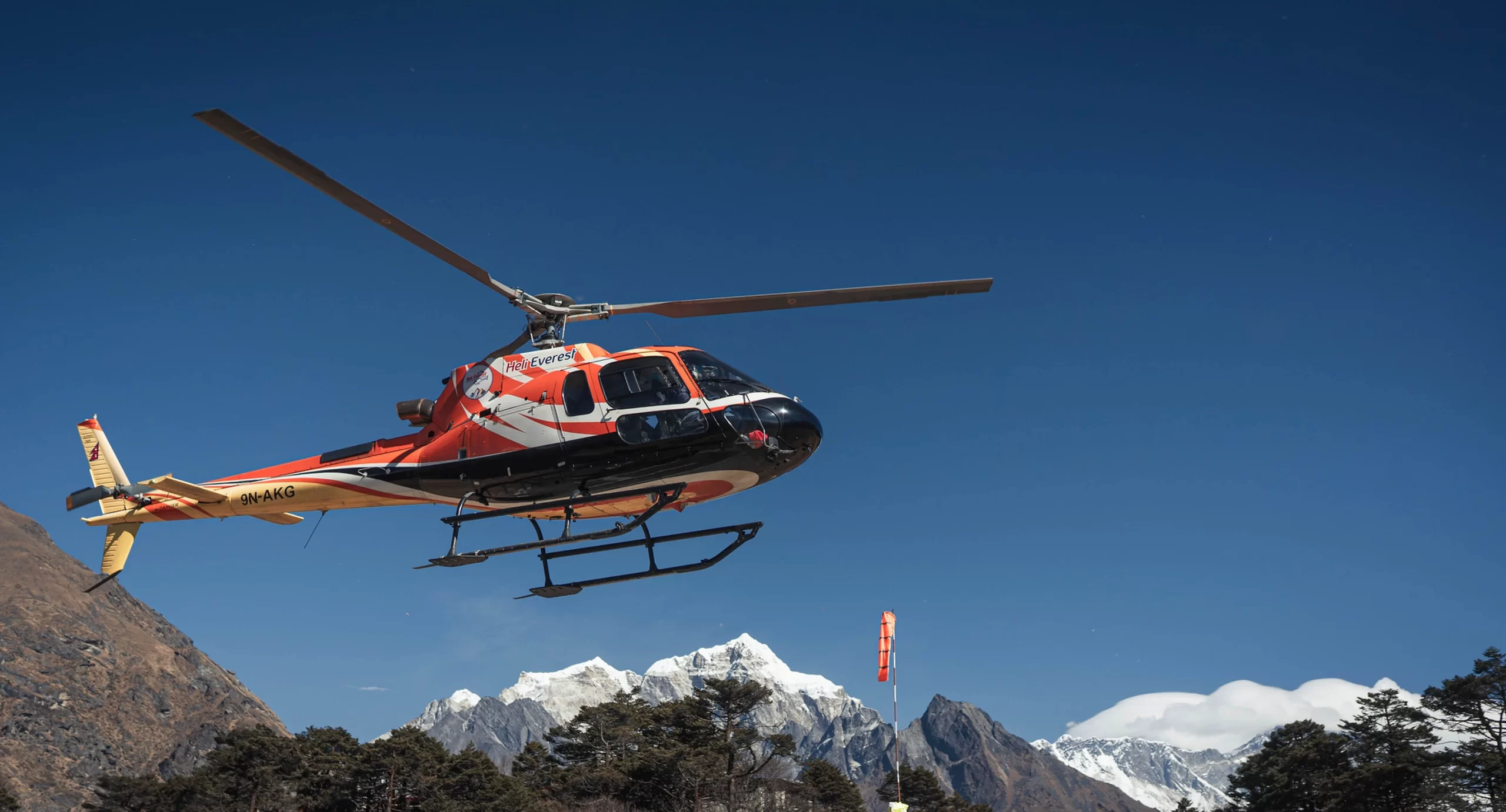
    • Satellite Phones: Renting a satellite phone ensures guaranteed connectivity in remote areas.
    • Emergency Contacts: Save local emergency numbers, including the nearest medical facilities and your country’s embassy contacts.
    • Local Guides: Hiring experienced guides with established emergency communication methods is highly recommended.

Conclusion

The Annapurna Base Camp trek is an extraordinary adventure that combines stunning natural beauty with the thrill of high-altitude trekking. While connectivity can be a challenge, being prepared can help you stay connected and ensure your safety throughout the journey. Embrace the adventure, prepare for limited connectivity, and savor the pristine beauty of the Annapurna region.


Call to Action:

Are you ready to embark on the Annapurna Base Camp trek? Book your adventure with Broad Adventure today and experience the trek of a lifetime. Our expert guides and comprehensive packages ensure a safe, enjoyable, and unforgettable journey. Contact us now to start planning your trek!


By understanding the connectivity status along the Annapurna Base Camp trek and preparing accordingly, your trek will be a seamless and memorable experience. Stay informed, stay connected, and enjoy the spectacular landscapes of the Annapurna region.

Happy trekking!

A Comprehensive Travel Blog: Dietary Information for Trekkers Visiting Nepal

Introduction

Nepal, known for its stunning landscapes, rich cultural heritage, and welcoming hospitality, is a top destination for trekkers from around the world. However, maintaining specific dietary practices while trekking in Nepal can be challenging. This comprehensive guide offers detailed information for trekkers following Kosher, vegetarian, vegan, and non-vegetarian diets, ensuring you enjoy a safe and delicious culinary experience during your adventure.

Local Cuisine and Common Dishes

Nepalese cuisine is diverse and nutritious, with rice, lentils, vegetables, and various meats as key staples. Here are some common dishes you’ll encounter:

  • Dal Bhat: A traditional meal consisting of steamed rice (bhat) and lentil soup (dal), accompanied by vegetable curries, chutney, and sometimes meat or fish.
  • Momos: Steamed or fried dumplings filled with vegetables, meat, or cheese, usually served with a spicy dipping sauce.
  • Thukpa: A hearty noodle soup with vegetables and optional meat, popular in the Himalayan region.
  • Aloo Tama: A curry made with potatoes, bamboo shoots, and sometimes black-eyed peas.

Dietary Options in Nepal

1. Kosher Diet

Traveling Kosher in Nepal requires some preparation, particularly in remote areas.

  • Kosher Food Supplies: Bring non-perishable Kosher snacks and essential items. Kathmandu has a Chabad House offering some Kosher food options and can assist with dietary needs.
  • Cooking Equipment: Consider carrying a small portable stove and Kosher cookware for meal preparation.
  • Local Ingredients: Fresh fruits, vegetables, rice, and lentils are widely available and can be easily incorporated into a Kosher diet.

2. Vegan Diet

Nepal is quite accommodating to vegan diets, especially since many locals practice vegetarianism due to religious beliefs.

  • Vegan Options: Request vegan versions of Dal Bhat, vegetable momos, and aloo tama. Ensure to specify no dairy products.
  • Local Ingredients: Fresh vegetables, fruits, grains, and legumes are plentiful. Tofu and soy products are available in larger towns.

3. Vegetarian Diet

Vegetarianism is common in Nepal, and vegetarian options are widely available.

  • Vegetarian Options: Dal Bhat, vegetable momos, aloo tama, and various vegetable curries. Egg dishes are also commonly available.
  • Local Ingredients: Abundant fresh vegetables, fruits, grains, and legumes can be found throughout the country.

4. Non-Vegetarian Diet

For non-vegetarian trekkers, Nepal offers a variety of meat-based dishes.

  • Non-Vegetarian Options: Chicken, goat, and fish are the most common meats. Popular dishes include chicken curry, momos with meat fillings, and meat-based Thukpa.
  • Local Ingredients: Meat is typically fresh, but be cautious of food hygiene standards in remote areas.

Eating on Trekking Routes

Teahouses and lodges along popular trekking routes such as the Everest Base Camp and Annapurna Circuit provide basic meals. Here’s how to manage your diet while trekking:

  • Kosher: Inform your guide or trekking company about your dietary requirements in advance. Carry Kosher snacks and cooking equipment.
  • Vegan/Vegetarian: Teahouses often offer Dal Bhat and vegetable curries. Ensure to specify vegan requirements to avoid dairy and eggs.
  • Non-Vegetarian: Meat options are available but may be limited. Opt for freshly prepared dishes to ensure food safety.

Tips for Maintaining Your Diet in Nepal

  • Learn Key Phrases: Communicating your dietary needs in Nepali can be very helpful. For example, “Ma shakahaari ho” means “I am vegetarian,” and “Ma vegan ho” means “I am vegan.”
  • Be Flexible: While it’s essential to stick to your dietary preferences, being open to slight variations can enhance your experience and interactions with locals.
  • Hydration: Always drink purified or bottled water. Carry a portable water filter or purification tablets, especially when trekking.

Conclusion

Nepal offers a rich culinary experience that caters to various dietary needs. With proper planning and a bit of flexibility, trekkers can enjoy the diverse flavors of Nepalese cuisine while adhering to their dietary practices. Whether you follow a Kosher, vegan, vegetarian, or non-vegetarian diet, Nepal’s hospitality and adaptability will ensure a memorable and satisfying trekking adventure.

Difficulty of the Everest Base Camp Trek: Challenges and Rewards

Everest Base Camp (EBC) stands as a beacon for adventurers worldwide, enticing those who yearn to witness the majesty of the world’s tallest peak. While the journey is awe-inspiring, it’s important to understand the difficulty of the Everest Base Camp trek, the challenges one might face, and the unparalleled rewards that come with reaching this iconic destination. This blog aims to provide in-depth information for those considering this epic adventure.

Difficulty of the Everest Base Camp Trek

The trek to Everest Base Camp is demanding, both physically and mentally. It spans approximately 130 kilometers (80 miles) round trip and takes around 12-14 days to complete. The difficulty primarily stems from three factors:

  1. Altitude: Starting at Lukla (2,860m) and peaking at EBC (5,364m), trekkers face significant altitude gain, increasing the risk of Acute Mountain Sickness (AMS).
  2. Terrain: The trail varies from well-trodden paths to rugged, rocky landscapes. Steep ascents and descents are frequent, requiring good physical conditioning.
  3. Duration: Trekking for several hours daily over nearly two weeks demands endurance and stamina.

Challenges on the Way to EBC

  1. Altitude Sickness
    As you ascend, the air thins, and oxygen levels decrease. Symptoms of AMS include headaches, dizziness, and nausea. Proper acclimatization is crucial to mitigate these effects. Including rest days in Namche Bazaar and Dingboche helps your body adjust to the altitude.
  2. Physical Demands
    The trek requires walking 5-7 hours daily, with some days extending up to 8 hours. The continuous physical exertion over varied terrain demands excellent cardiovascular and muscular fitness.
  3. Weather Conditions
    The Himalayas are known for unpredictable weather. Trekkers must be prepared for sudden changes, including cold temperatures, snow, and rain. The best seasons to trek are pre-monsoon (March to May) and post-monsoon (September to November), when weather conditions are relatively stable.
  4. Basic Facilities
    Accommodations in teahouses are basic but comfortable. However, amenities like hot showers and Wi-Fi are limited and often come at an additional cost. Food is hearty but repetitive, primarily consisting of dal bhat (lentil soup with rice), noodles, and potatoes.
  5. Logistics
    The trek begins with a flight to Lukla, known for its short, uphill runway and unpredictable weather, which can delay flights. Ensuring a flexible itinerary can help manage such uncertainties.

The Rewards of Reaching Everest Base Camp

  1. Stunning Scenery
    The trek offers some of the most breathtaking landscapes on Earth. Panoramic views of towering peaks like Everest, Lhotse, Nuptse, and Ama Dablam dominate the skyline, providing endless photo opportunities and a deep sense of awe.
  2. Cultural Immersion
    The journey passes through Sherpa villages, allowing trekkers to experience the rich culture and hospitality of the Sherpa people. Visiting monasteries, such as Tengboche, adds a spiritual dimension to the trek.
  3. Personal Achievement
    Reaching Everest Base Camp is a monumental personal achievement. It tests and builds your resilience, endurance, and mental fortitude, leaving you with a profound sense of accomplishment.
  4. Community and Camaraderie
    Trekking EBC often involves forming bonds with fellow trekkers from around the world. Sharing stories and experiences around the teahouse fireplace creates lasting memories and friendships.

Preparation Tips for Aspiring Trekkers

  1. Physical Training
    Start training at least three to six months before your trek. Focus on cardio exercises, strength training, and long hikes with a loaded backpack to simulate trekking conditions.
  2. Proper Gear
    Invest in high-quality trekking gear, including well-fitting boots, layered clothing for varying temperatures, a durable sleeping bag, and a reliable backpack.
  3. Mental Preparation
    Mental resilience is crucial. Prepare for challenging days and maintain a positive mindset. Visualization techniques and setting small daily goals can help you stay motivated.
  4. Consider a Guided Trek
    For safety and convenience, many opt for guided treks. Guides provide valuable knowledge about the trail, assist with logistics, and offer support in case of emergencies.

Conclusion

The difficulty of the Everest Base Camp trek should not deter you but rather inspire thorough preparation and respect for the journey ahead. The challenges—altitude, physical exertion, weather, and basic facilities—are significant, yet they are far outweighed by the rewards. The stunning Himalayan scenery, cultural experiences, personal triumphs, and sense of camaraderie make every step worthwhile.

Embark on this extraordinary adventure with preparation and determination, and the Everest Base Camp trek will be one of the most rewarding experiences of your lifetime.

Happy trekking!

My Unforgettable Trek to Gokyo Ri with Apex Asia and Broad Adventures

Seeking an adventure that combined my love for exotic treks and photography, I found myself drawn to the idea of exploring Nepal. And what could be more iconic than the Everest Base Camp? But, as I discovered, sometimes the road less traveled offers the most breathtaking views and experiences. This is the story of my incredible journey to Gokyo Ri, a decision influenced greatly by the expert guidance of Broad Adventures.

Choosing the Right Trek

After some initial research, I reached out to Ramesh and Keshav, the owners of the now-merged Broad Adventures. Their prompt and insightful responses helped shape my adventure. I wanted a trek that was not only visually stunning for photography but also vigorous and somewhat isolated. Despite my limited knowledge of the area, they recommended Gokyo Ri, assuring me it was perfectly aligned with my aspirations. And they were absolutely right!

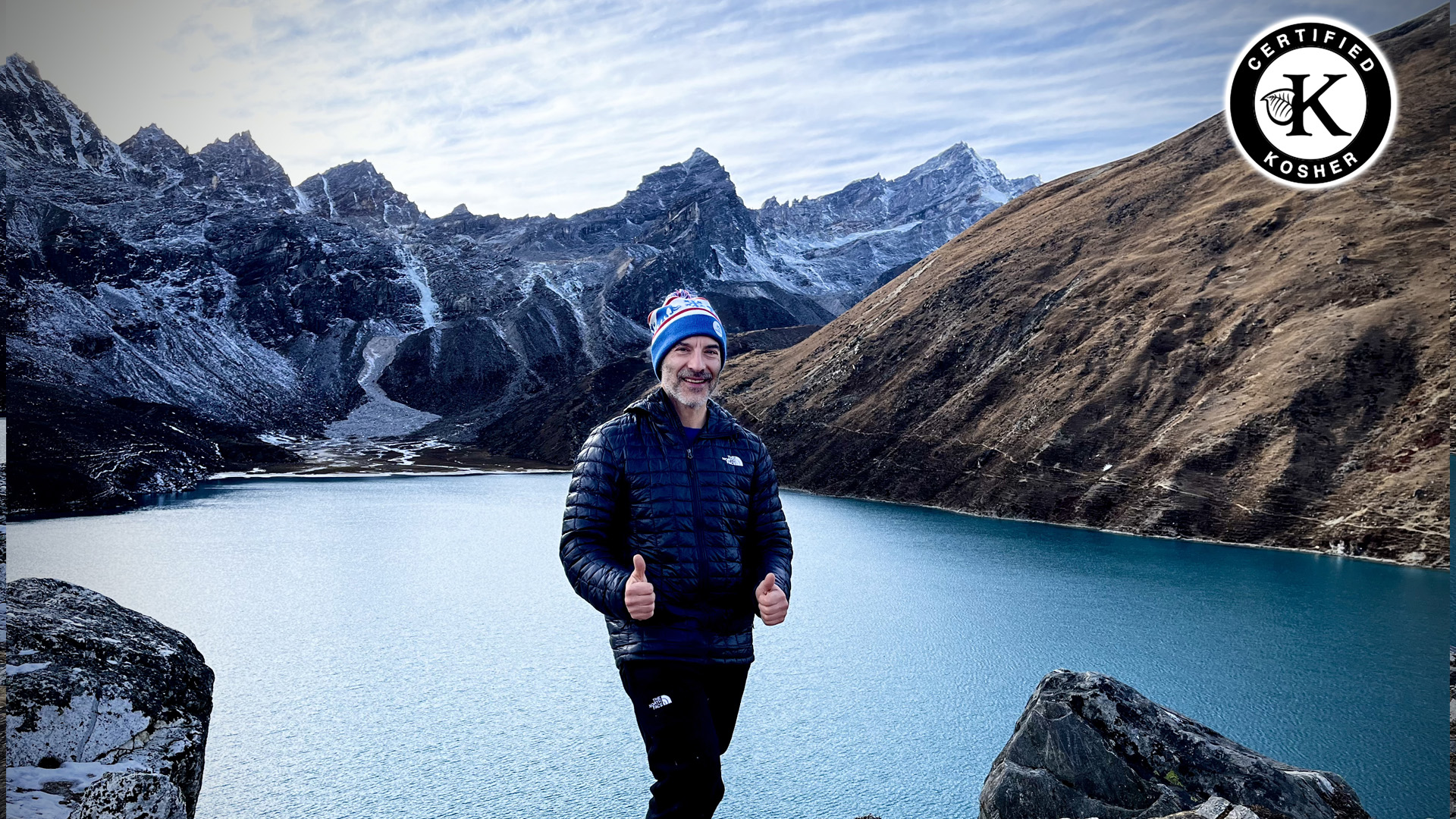
The stunning views from Gokyo Ri

A Trek Tailored for the Jewish Observant

Being Jewish and observant, I had specific requirements regarding travel on the Sabbath and kosher food. The team was incredibly accommodating. They arranged for a cook to accompany us, ensuring all my meals were kosher, and were familiar with the needs of Shabbos observance. The morning we set off, they even allowed me to inspect the hechshers on the food. It was clear they had experience catering to Israeli clients and understood my needs perfectly.

The Journey and the Team

The trek itself was nothing short of amazing. My guide, Gyanu, was calm and experienced, guiding us through the stunning landscapes with ease. Uttam, our cook and part-time porter, along with Ranjit, the porter, were like mountain goats, carrying our supplies and preparing delicious meals every day.

Kosher meals being prepared in the Himalayas

Life in the Teahouses

The teahouses along the trail were basic and quite cold, especially in winter, so a very warm sleeping bag is a must. Also, it’s important to be prepared for basic toilet facilities and the lack of toilet paper, which is typical in these remote areas.

A Change of Plan

Initially, I hadn’t realized that Gokyo is an out-and-back trek. Wanting to explore more, I discussed with the team the possibility of returning via a different route. They were incredibly accommodating, suggesting we extend the trip by a day to return through the Renjo-La pass, which was an excellent recommendation.

The breathtaking Renjo-La pass

Reflections on an Unforgettable Trip

This journey was probably the best I’ve ever undertaken. The concerns I had about observing Shabbat and keeping kosher were completely unfounded. The team took care of everything seamlessly.

And for those wondering about Jewish life in Nepal, the Chabad in Kathmandu was a delightful surprise, serving up delicious shakshuka and schnitzel!

Enjoying a meal at the Chabad House in Kathmandu

Final Thoughts

For anyone, especially Jewish observant clients, looking for a trekking adventure in Nepal, I cannot recommend Broad Adventures enough. They went above and beyond to ensure my trekking experience was not only enjoyable but also adhered to my religious practices. Gokyo Ri, with its serene beauty and the incredible team that supported me, has set a new standard for all my future adventures.

Have you ever embarked on a trekking adventure that catered to specific dietary or religious needs? Share your experiences in the comments below!

Keith Bokenthal is an adventure and travel enthusiast, sharing his experiences and tips with fellow travelers, especially those looking to combine their love for adventure with their religious observances.

Manaslu Circuit Trek: A Himalayan Gem Off the Beaten Path

Nestled in the western Himalayas of Nepal, the Manaslu Circuit Trek stands as a hidden gem, beckoning adventurous souls seeking a trek less traveled. Join me as I unfold the story of my awe-inspiring journey around the eighth highest mountain in the world, Manaslu, and discover the unparalleled beauty and cultural richness that this trek has to offer.

Gates of Gorkha – Starting Point of Adventure

The journey began in the historical town of Gorkha, home to the iconic Gorkha Durbar. Surrounded by hills and marked by a palpable sense of history, Gorkha served as the gateway to the mystical world of Manaslu. The trek commenced with anticipation and the promise of uncharted territories.

Trekking Through Lush Forests and Ancient Villages

The trail led through dense forests, echoing with the symphony of exotic birds and rustling leaves. Quaint villages dotted the landscape, each with its unique charm. The warmth of local hospitality and the cultural tapestry of the Nubri and Tsum valleys added layers of richness to the trek.

Challenging High Mountain Passes – Larkya La Adventure

The highlight of the trek was the ascent to Larkya La, a high mountain pass standing at a breathtaking altitude. The challenging climb was rewarded with panoramic views of the Manaslu Range, the Annapurna Massif, and the surrounding peaks. The feeling of standing atop Larkya La was nothing short of exhilarating.

Breathtaking Landscapes – From Glacial Lakes to Alpine Meadows

The landscape unfolded like a canvas, showcasing glacial lakes, alpine meadows, and snow-capped peaks at every turn. The trail meandered through diverse terrain, offering a visual feast for trekkers. Each day presented a new postcard-worthy scene, making the Manaslu Circuit a photographer’s paradise.

Cultural Encounters – Monasteries and Traditions

The trek provided glimpses into the ancient Buddhist culture of the region. Monasteries adorned with prayer flags, chortens standing as silent sentinels, and encounters with local monks enriched the journey with spiritual and cultural insights. The Manaslu Circuit is not just a physical expedition but a cultural immersion.

Manaslu’s Silent Majesty and the Call of the Himalayas

As I concluded my trek around the Manaslu Circuit, the mountains left an indelible mark on my soul. The solitude of the trail, the warmth of local communities, and the sheer majesty of Manaslu itself created a tapestry of memories that transcended the limits of words. The Manaslu Circuit Trek is an adventure for those who seek not just the summit but the soul-stirring journey that leads there.

May the trails be ever in your favor, and may the silent majesty of Manaslu whisper its tales to your adventurous spirit.

Embark on the journey of a lifetime – let the Manaslu Circuit Trek be your gateway to Himalayan enchantment. ?️?✨

A Himalayan Odyssey: Trekking Through the Annapurna Circuit

The Annapurna Circuit in Nepal is a mythical trek, a journey that transcends the boundaries of adventure and self-discovery. Join me as I recount the highs and lows of my Himalayan odyssey, a trek that not only challenged my physical limits but also unveiled the profound beauty of the landscapes and the resilient spirit of the Nepalese people.

Gateway to the Mountains – Arrival in Kathmandu

As I stepped into the chaotic charm of Kathmandu, I knew my journey had officially begun. The bustling streets, vibrant markets, and the distant hum of prayer wheels set the tone for the grand adventure ahead. The city served as a cultural appetizer before the main course – the majestic Annapurna Circuit.

Ascending Through Rhododendron Forests

The trek commenced with a gentle ascent through lush rhododendron forests, their vibrant hues acting as a precursor to the grandeur awaiting us. The trail unveiled breathtaking vistas at every turn, and the air grew crisper with each step. As we ascended, the camaraderie among fellow trekkers and the warm smiles of the locals became an integral part of the journey.

Thorong La Pass – Conquering the Heights

The pinnacle of the trek, Thorong La Pass, awaited. At 5,416 meters above sea level, the air thinned, and the landscape transformed into a stark, snow-covered wilderness. The ascent was grueling, but the reward was unparalleled – a panoramic view of the Annapurna and Dhaulagiri ranges that rendered me speechless. It was a moment of triumph, not just over the pass but over personal limits.

Thorong_La Pass Trek

Descending into the Mystical Mustang Region

The descent into the Mustang region felt like stepping into a mystical realm. Ancient monasteries perched on cliffs, prayer flags fluttering in the wind, and the barren landscapes painted with hues of ochre – each step resonated with the spiritual energy of the Himalayas. The Mustang region was not just a physical descent but a descent into the ancient soul of Nepal.

Teahouse Tales and Nepalese Hospitality

The rustic charm of teahouses along the trail became a haven for weary trekkers. The warmth of the fire, the aroma of traditional Nepalese dal bhat, and the camaraderie with fellow travelers created a unique sense of community. The teahouses were more than just resting spots; they were stages for stories, laughter, and the forging of friendships that would last a lifetime.

A Journey Beyond the Map

The Annapurna Circuit was not just a trek; it was a pilgrimage through a living, breathing tapestry of nature and culture. The Himalayas taught me resilience, the Nepalese people taught me humility, and every step left an indelible mark on my soul. As I bid farewell to the mountains, I carried with me not just memories of the trek but a profound connection to the heart of Nepal.

May your adventures be as transformative, and your spirit as unyielding as the mountains themselves. Until the next summit!

Embark on your own Himalayan odyssey, and let the mountains etch stories on your heart. ?️?️✨

Packing Light, Trekking Right: Nepal Edition

Packing Light, Trekking Right: Nepal Edition

Embarking on a trekking adventure in the majestic landscapes of Nepal is a dream for many travelers. To ensure you fully savor the breathtaking beauty without being bogged down by heavy luggage, mastering the art of minimalist packing is crucial. In this guide, we’ll walk you through the essentials to pack for your Nepalese trek, helping you keep your load light while still being prepared for the journey ahead.

Choose the Right Backpack:

Begin your minimalist packing journey by selecting a lightweight and durable backpack. Opt for one with multiple compartments for easy organization and a comfortable fit for long treks. Remember, size matters – choose a pack that suits the duration of your trek without unnecessary excess space.

Clothing Essentials:

  • Layer Up: – Pack versatile, moisture-wicking base layers. – Include a lightweight insulating layer for chilly evenings. – A waterproof and windproof outer shell is essential for unpredictable mountain weather.
  • Quick-Dry Underwear and Socks: – Prioritize moisture-wicking fabrics to keep comfortable during long days of trekking.
  • Convertible Pants: – Choose trekking pants that can easily convert to shorts for varying temperatures.
  • Sturdy Hiking Boots: – Invest in quality, waterproof hiking boots with good ankle support.

Compact Sleeping Gear:

  • Ultralight Sleeping Bag: – Choose a sleeping bag suitable for the expected temperatures of your trek.
  • Lightweight Sleeping Pad: – Opt for a compact and comfortable sleeping pad to ensure a good night’s rest.

Functional Accessories:

  • Headlamp or Flashlight: – Essential for navigating trails in the dark.
  • Multipurpose Toul: – A compact toul with various functions can come in handy during unexpected situations.
  • Sun Protection: – Sunscreen, sunglasses, and a wide-brimmed hat to shield against the strong Himalayan sun.
  • Reusable Water Bottle: – Stay hydrated by refilling your bottle at the numerous water stations along the trails.

Personal Essentials:

  • First Aid Kit: – Include basic medical supplies and any personal medications.
  • Toiletries: – Keep it minimal with travel-sized essentials such as toothpaste, toothbrush, and biodegradable soap.
  • Quick-Dry Towel: – Compact towels are lightweight and dry quickly, perfect for the trekking lifestyle.

Packing light for your Nepalese trek is an art that, when mastered, can significantly enhance your overall experience. By focusing on the essentials and investing in quality, lightweight gear, you can embrace the beauty of the Himalayas without the burden of unnecessary weight. Remember, the key is thoughtful preparation – strike a balance between preparedness and minimalism, and you’ll be well on your way to the trekking adventure of a lifetime.

Happy trekking! ?️✨

Wanderlust Chronicles: Unveiling the Essence of EVEREST

Embark on a Journey to the Roof of the World: Exploring the Majesty of Mount Everest

Nestled in the heart of the Himalayas, Mount Everest stands as the pinnacle of earthly beauty and awe. As avid travelers and adventure seekers, we invite you to join us on an extraordinary expedition through the “Wanderlust Chronicles,” where we unravel the essence of Everest – the world’s highest and most revered peak.

The Journey Begins

Your journey to Everest begins with a flight into the heart of Nepal, landing in the vibrant city of Kathmandu. As the gateway to the Himalayas, Kathmandu teems with cultural richness, ancient temples, and the bustling energy of locals and fellow travelers alike. Take a moment to soak in the vibrant atmosphere before embarking on the awe-inspiring journey ahead.

The Trek of a Lifetime

The trek to Everest Base Camp is an adventure like no other. As you traverse through the Khumbu region, be prepared to witness breathtaking landscapes, charming Sherpa villages, and the warmth of the Nepalese people. Every step is a testament to your resilience and a chance to connect with nature on a profound level. The journey itself is a kaleidoscope of experiences, from crossing suspension bridges hanging over rushing rivers to encountering yaks and prayer flags fluttering in the mountain breeze.

Enveloped by Majesty

Reaching Everest Base Camp is an achievement that words can scarcely describe. At an altitude of 17,600 feet, you find yourself surrounded by a panorama of towering peaks, including the iconic Khumbu Icefall and the formidable Lhotse. As the sun sets behind the Himalayan giants, the golden glow casts an ethereal spell over the landscape, creating a memory that will linger in your heart forever.

The Sherpa Culture

No exploration of Everest is complete without delving into the rich tapestry of Sherpa culture. The Sherpa people, known for their resilience and mountaineering prowess, welcome you into their homes with open hearts. Learn about their traditions, taste the local delicacies, and gain insight into the spiritual significance of the region as you acclimate to the high-altitude surroundings.

Beyond the Base Camp

For the intrepid souls seeking an extra challenge, the journey doesn’t end at Base Camp. Push your limits by ascending the iconic Kala Patthar, offering unparalleled views of Everest’s summit and the surrounding peaks. The trek to Kala Patthar is a test of endurance, but the reward is a panoramic spectacle that etches itself into your memory forever.

A Journey to Remember

The “Wanderlust Chronicles: Unveiling the Essence of Everest” is more than just a travelogue; it’s an invitation to experience the raw beauty and indomitable spirit of the Himalayas. As you stand beneath the towering summit of Everest, surrounded by the breathtaking landscapes and vibrant culture, you’ll find a piece of your heart forever entwined with the majesty of the world’s highest peak. Embrace the journey, and let Everest leave an indelible mark on your soul.

Immersive Exploration: A Guide to the Kathmandu Valley Tour

Introduction:

Embark on a cultural journey like no other as we guide you through the enchanting Kathmandu Valley. This comprehensive tour takes you beyond the surface, delving into the rich tapestry of history, spirituality, and vibrant traditions that define Nepal’s capital. From ancient temples to bustling marketplaces, our guide will help you navigate the treasures hidden within the Kathmandu Valley.


Section 1: Unveiling the Kathmandu Valley

A Cultural Melting Pot

Discover the heart of Nepal as we explore the Kathmandu Valley, a UNESCO World Heritage Site renowned for its architectural marvels and cultural significance. This valley is not merely a destination; it’s a living testament to centuries of history, blending Hindu and Buddhist influences in a harmonious coexistence.

The Three Ancient Cities

Delve into the distinct personalities of Kathmandu, Bhaktapur, and Patan – the three ancient cities that collectively form the Kathmandu Valley. Each city boasts its own unique charm, preserving ancient traditions while embracing modern influences.

Pashupatinath Temple Kathmandu city tour

Section 2: Exploring Kathmandu

Durbar Square – Living History

Step back in time as you explore Kathmandu’s Durbar Square, a historical center surrounded by intricately designed palaces, courtyards, and temples. Uncover the stories behind each architectural marvel, and witness daily life unfold against the backdrop of centuries-old structures.

Bhairav-Mandir-kathmandu-Tour

Swayambhunath – The Monkey Temple

Ascend to the iconic Swayambhunath stupa, perched atop a hill, and be greeted by the watchful eyes of the Buddha. Explore the prayer wheels, fluttering prayer flags, and the playful monkeys that call this sacred site home.

Pashupatinath – Holiest Hindu Temple

Journey to Pashupatinath, Nepal’s holiest Hindu temple dedicated to Lord Shiva. Witness the rituals along the sacred Bagmati River, where the cycle of life and death unfolds in a profound display of spirituality.

Section 3: Bhaktapur – City of Devotees

Bhaktapur Durbar Square – Timeless Elegance

Immerse yourself in the medieval charm of Bhaktapur Durbar Square, where intricately carved wooden structures and ancient architecture transport you to a bygone era. Discover the craftsmanship of the Newari artisans that has stood the test of time.

Nyatapola Temple – Engineering Marvel

Marvel at the Nyatapola Temple, a five-tiered pagoda that stands as a testament to ancient engineering prowess. Climb the steps and take in panoramic views of the city, appreciating the architectural splendor that defines Bhaktapur.

Section 4: Patan – City of Fine Arts

Patan Durbar Square – Artistic Heritage

Stroll through Patan Durbar Square, a hub of fine arts and traditional craftsmanship. Admire the intricate carvings, metalwork, and ancient statues that showcase the city’s artistic legacy.

Golden Temple – Tranquil Retreat

Visit the Golden Temple, a hidden gem in Patan, known for its serene courtyard and golden façade. Discover the tranquil atmosphere of this Buddhist monastery and soak in the spiritual ambiance.

Beyond Monuments – Local Experiences

Thamel – Vibrant Hub of Culture and Commerce

Immerse yourself in the vibrant energy of Thamel, Kathmandu’s bustling neighborhood. Navigate through narrow alleys filled with colorful shops, cafes, and vibrant street life, offering a taste of modern Nepal amid traditional surroundings.

Local Cuisine Exploration

Savor the flavors of Nepal with a culinary exploration. Dive into local eateries to taste momos, dal bhat, and other traditional dishes, providing a gastronomic journey that complements the cultural richness of the Kathmandu Valley.

Practical Tips and Considerations

Cultural Etiquette

Navigate the cultural nuances of the Kathmandu Valley with insights into respectful practices when visiting temples, interacting with locals, and participating in rituals.

Transportation and Accommodation

Get practical tips on navigating the city, from local transportation options to recommendations for comfortable accommodations that offer a blend of convenience and cultural immersion.

Conclusion: The Kathmandu Valley – A Living Heritage

Wrap up your Kathmandu Valley Tour with awe and appreciation for the living heritage permeating every corner of this ancient realm. From the bustling markets to the serene temple courtyards, the Kathmandu Valley is not just a destination; it’s a captivating experience that leaves an indelible mark on the soul. As you bid farewell to this cultural haven, carry with you the memories of centuries-old traditions, the Nepali people’s warmth, and the Kathmandu Valley’s timeless allure. Your journey is not just a tour; it’s an immersion into the living history and vibrant culture that define Nepal’s capital.

Beyond Everest Base Camp: A Thrilling Guide to the Everest Three Passes Trek

Introduction:

Prepare yourself for an exhilarating adventure that goes beyond the famed Everest Base Camp. The Everest Three Passes Trek is a challenging yet rewarding journey that takes you through some of the most breathtaking and less-explored landscapes in the Khumbu region. This comprehensive guide will walk you through the intricacies of this trek, from planning your itinerary to conquering the high mountain passes that offer unparalleled views of the Everest region.

Unveiling the Everest Three Passes Trek

The Ultimate Himalayan Odyssey

Embark on a journey that transcends traditional trekking routes. The Everest Three Passes Trek is designed for the intrepid explorer seeking a heightened sense of adventure. Discover why this trek stands out, offering a unique blend of challenging passes, secluded valleys, and panoramic views that extend beyond the typical Everest Base Camp trail.

The Three Majestic Passes

Explore the trio of high mountain passes – Renjo La Pass, Cho La Pass, and Kongma La Pass – each presenting its own set of challenges and rewards. These passes elevate the trekking experience, providing unmatched views of Everest, Lhotse, Makalu, and a host of other peaks that form the iconic Himalayan skyline.

Planning Your Everest Three Passes Adventure

Best Time to Conquer the Passes

Timing is crucial for a successful Everest Three Passes Trek. Learn about the optimal seasons, typically in the pre-monsoon (March to May) and post-monsoon (September to November) periods, when the weather is stable, and the trails are accessible. Understanding the seasonal variations ensures a safer and more enjoyable trek.

Comprehensive Itinerary Overview

Delve into a detailed day-by-day itinerary that navigates through the lesser-known gems of the Khumbu region. From the bustling Namche Bazaar to the serene Gokyo Lakes and the challenging passes, this itinerary promises a holistic experience that goes beyond the standard trekking routes.

Fitness and Acclimatization Strategies

Given the increased altitude and challenging terrain, adequate physical preparation is paramount. Tailor your fitness routine to include cardiovascular exercises, strength training, and altitude-specific conditioning. Additionally, the itinerary incorporates strategic acclimatization days to ensure your body adjusts to the changing altitudes safely.

Conquering the Three High Passes

Renjo La Pass – Gateway to Gokyo Valley

Embark on the journey by conquering Renjo La Pass, which not only provides stunning views but also serves as the gateway to the mesmerizing Gokyo Valley. Immerse yourself in the turquoise lakes and towering peaks that define this hidden gem.

Cho La Pass – A Glacier Adventure

Navigate the glacier terrain as you cross Cho La Pass, a thrilling and challenging section of the trek. The reward? Unobstructed views of Ama Dablam and the Everest massif, creating memories that will last a lifetime.

Kongma La Pass – Panoramic Everest Vistas

Reach the climax of your adventure with the ascent of Kongma La Pass, the highest of the three passes. Revel in panoramic views of Everest, Lhotse, and Makalu, standing at an altitude that puts you among the world’s highest peaks.

On the Way to Kong Ma La Pass

Hidden Gems and Cultural Encounters

Gokyo Lakes – Serenity Amidst Peaks

Explore the serene beauty of the Gokyo Lakes, a hidden treasure surrounded by towering peaks. Learn about the local culture as you interact with Sherpa communities and witness their unique way of life in the remote Himalayan villages.

Thame and Its Monastic Heritage

Venture off the beaten path to Thame, a traditional Sherpa village with a rich monastic heritage. Immerse yourself in the spiritual ambience of ancient monasteries and gain insights into the cultural tapestry of the region.

Packing Essentials and Gear Tips

Specialized Gear for High Passes

Equip yourself with specialized gear suitable for high-altitude trekking. From crampons for glacier crossings to a reliable down jacket for chilly nights, ensure you have the right equipment to tackle the challenges presented by the three passes.

Essential Clothing Layers

Understand the importance of layering for variable Himalayan weather. Pack moisture-wicking base layers, insulating mid-layers, and protective outer layers to stay comfortable in the diverse climates encountered during the trek.

Safety and Altitude Considerations

Altitude Sickness Awareness

Given the increased altitude, heightened awareness of altitude sickness is crucial. Recognize the symptoms and understand the importance of a gradual ascent, acclimatization days, and proper hydration to ensure your safety throughout the trek.

Emergency Protocols and Communication

Familiarize yourself with emergency protocols and communication methods in the remote Himalayan terrain. Ensure you have a reliable means of communication, such as a satellite phone, and understand the procedures in case of unforeseen circumstances.

Conclusion: A Himalayan Odyssey to Remember

Wrap up your Everest Three Passes Trek with reflections on the transformative nature of the journey. This adventure isn’t just about conquering high passes; it’s about immersing yourself in the untamed beauty of the Himalayas, forging new paths, and creating memories that will stay etched in your heart forever. As you descend from the high mountain passes, carry with you the indomitable spirit of the Himalayan explorer and the breathtaking vistas that define this extraordinary trek. Your Everest Three Passes adventure is not just a trek; it’s a life-changing odyssey that beckons the daring at heart.

chat-in-website
Need Help? Chat with us
chat-in-website
Need Help? Chat with us