Photography in the Himalayas: Advanced Camera Tech for Nepal’s Landscapes

The Himalayas of Nepal offer some of the most breathtaking landscapes on Earth, a paradise for photographers chasing that perfect shot. From the towering peaks of Everest to the vibrant cultural tapestry of Kathmandu, each moment presents an opportunity for a stunning capture. However, photographing in such diverse and often challenging environments requires not just skill but also the right technology. Here’s a guide to the advanced camera tech perfect for capturing Nepal’s diverse landscapes.

Choosing the Right Camera

DSLR and Mirrorless Cameras

For professional-quality photos, DSLRs and mirrorless cameras are the go-to choices. The  Nikon D850 and Canon EOS 5D Mark IV are excellent DSLRs for their dynamic range and high ISO performance, capturing stunning details even in low light conditions common in Himalayan mornings and evenings. On the mirrorless front, the Sony Alpha A7R IV and Fujifilm GFX 100 are known for their exceptional image quality and portability, a crucial factor when trekking.

Action Cameras

For those on the move or looking to capture high-action moments, action cameras are indispensable. The **GoPro Hero series** stands out for its ruggedness and ability to shoot in 4K, perfect for everything from trekking and mountaineering to rafting in the wild rivers.

Drones

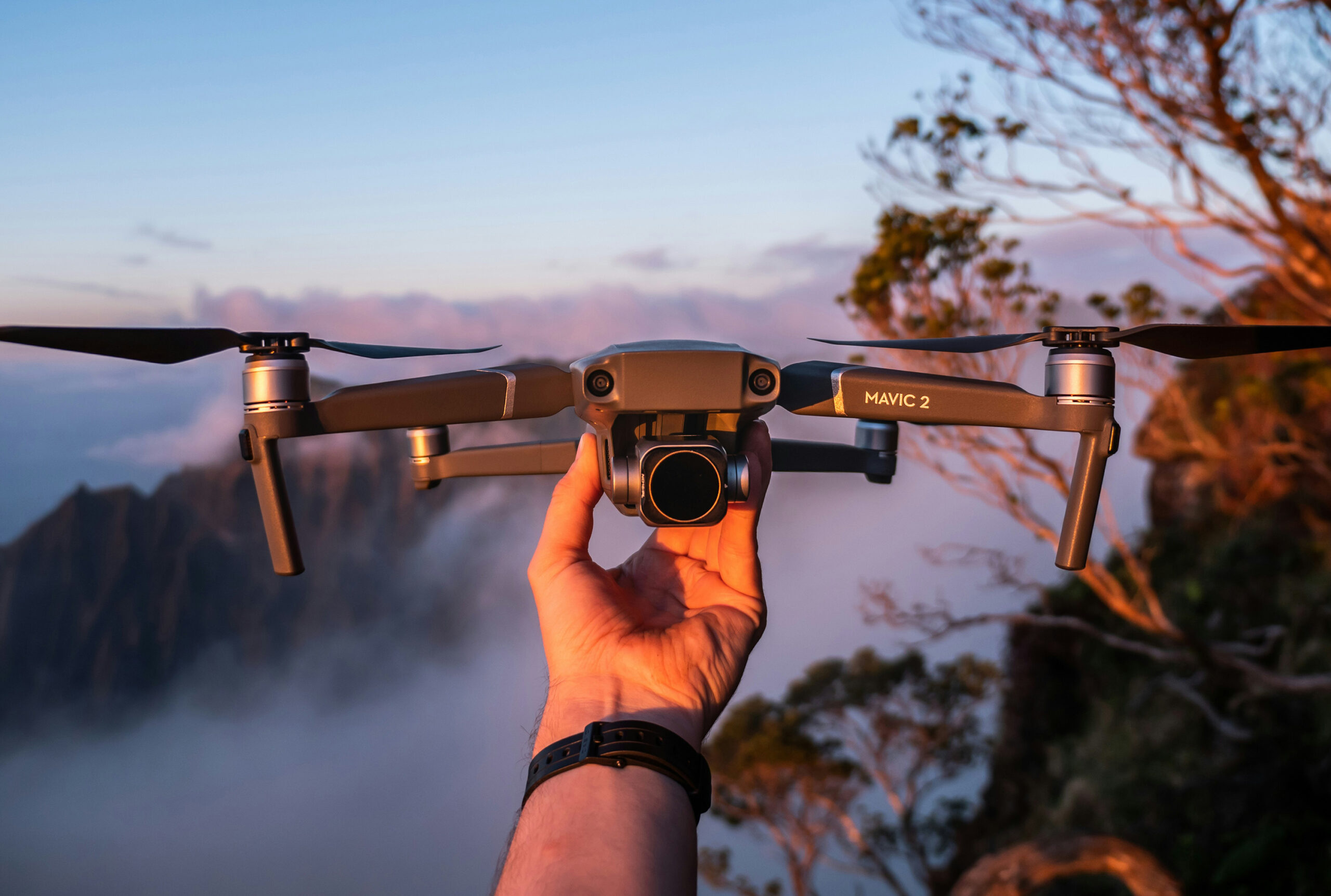
Drones like the DJI Mavic Air 2 offer an unparalleled perspective of the Himalayan terrain. They are compact, easy to carry, and capable of shooting 4K videos and stunning aerial shots of Nepal’s landscapes.

Essential Camera Gear

Lenses

A versatile lens selection is crucial. A wide-angle lens (like the Canon EF 16-35mm f/4L or Nikon 14-24mm f/2.8G) is perfect for capturing expansive mountain vistas, while a telephoto lens (such as the Canon EF 70-200mm f/2.8L or Sony FE 100-400mm G Master) can capture distant peaks in detail.

Tripods

A lightweight and sturdy tripod, like the Manfrotto Befree Advanced, is essential for long exposures and stable video shooting, particularly in windy, high-altitude conditions.

Filters

Polarizing filters and ND filters are a must-have in your kit. They help manage reflections, enhance colors, and allow for longer exposure times without overexposure.

Camera Bags and Protection

Invest in a high-quality, weather-resistant camera bag. Bags from brands like Lowepro and F-Stop offer great protection and easy access to gear. Don’t forget lens cleaning kits and protective gear for shooting in dusty or wet conditions.

Photography Tips for the Himalayas

1. Early Morning and Late Afternoon Light: Capture the golden hours for the best natural lighting.
2. Bracketing for High Contrast: Use exposure bracketing in high-contrast scenes to ensure you capture all details.
3. Play with Perspectives: Experiment with different angles and compositions to capture the unique textures and contours of the Himalayas.
4. Respect Local Culture: Always ask for permission before photographing local people or religious sites.
5. Backup Your Photos: Regularly back up your photos to protect against data loss.

Ethical and Responsible Photography

While capturing the beauty of Nepal, it’s important to be an ethical and responsible photographer. Respect the local culture and environment. Stick to designated paths and areas to minimize your ecological footprint, and always seek consent when photographing local people or their property.

In conclusion, with the right camera technology and techniques, photographers can fully do justice to the awe-inspiring beauty of Nepal’s Himalayas. Whether you’re an experienced photographer or an enthusiastic beginner, the mountains and culture of Nepal provide endless opportunities for stunning visual storytelling. Remember, it’s not just about the gear you carry, but also about the vision you bring and the respect you show to this magnificent landscape and its people.

Happy shooting! ??️✨

Tech-Savvy Trekking: Must-Have Gadgets for Your Nepal Adventure

Embarking on a trekking adventure in Nepal, the land of the majestic Himalayas, is an unforgettable experience. But in today’s world, a good pair of boots and a sturdy backpack aren’t the only essentials. Technology has revolutionized trekking, making it safer, more enjoyable, and, surprisingly, more connected. Whether you’re heading to the Everest Base Camp or exploring the Annapurna Circuit, here’s a list of must-have gadgets that will enhance your journey in Nepal.

1. High-Endurance Power Banks

In the remote trekking routes of Nepal, power outlets are as rare as flat lands. A high-capacity, durable power bank is a lifesaver for keeping your devices charged. Look for one that’s solar-powered – not only is it eco-friendly, but it also ensures you have a power source as long as there’s daylight.

2. Advanced GPS Devices

While traditional maps have their charm, a reliable GPS device is indispensable for navigation in the vast Himalayan terrain. Devices like Garmin GPSMAP 66i come with preloaded topographic maps and inReach technology, allowing you to send SOS signals in emergencies.

3. Portable Water Purifiers

Staying hydrated is crucial, but so is ensuring the water is safe to drink. Portable water purifiers or sterilizers like the LifeStraw or SteriPEN use UV light to eliminate bacteria and viruses, making stream water safe to drink within minutes.

4. Durable, Multi-Function Watches

A rugged, multi-function trekking watch like the Suunto Traverse or Garmin Fenix can be incredibly useful. Features like altimeter, barometer, compass, and weather information are all wrapped around your wrist. Plus, these watches are designed to withstand extreme conditions.

5. Satellite Messengers

In remote areas where cell service is non-existent, satellite messengers can be your communication lifeline. Devices like the SPOT Gen3 or Garmin inReach Mini let you send messages and share your location with loved ones or rescue services.

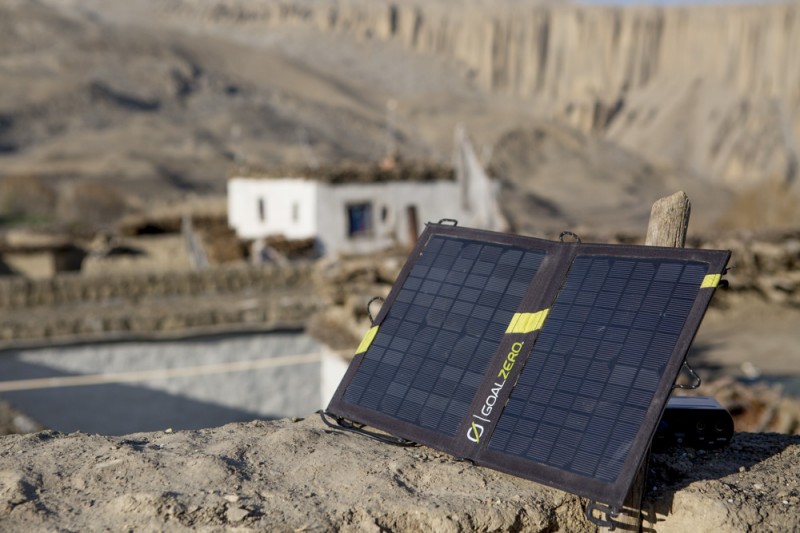
6. Lightweight Solar Chargers

For those committed to longer treks, a portable solar charger can be a game changer. Lightweight and foldable panels can easily attach to your backpack, soaking up the sun’s energy while you walk and keeping your gadgets charged.

7. Smartphones with Offline Apps

Your smartphone, equipped with the right apps, is a multi-functional tool. Offline maps, compass apps, and trekking trail guides can be invaluable. Apps like Maps.me or Gaia GPS allow you to navigate without a data connection.

8. Compact Drone for Aerial Photography

For those who want to capture breathtaking aerial shots of the Himalayan landscape, compact drones like the DJI Mavic Mini offer a perfect blend of portability and quality. Just be sure to respect local regulations regarding drone use.

9. Action Cameras

Action cameras like GoPro Hero series are ideal for capturing high-quality videos and photos in challenging environments. Their durability and waterproof features make them well-suited for the rugged terrains of Nepal.

10. E-Readers

After a long day of trekking, unwind with your favorite book on an e-reader like Kindle. They’re lightweight, can store thousands of books, and their battery life lasts weeks, making them perfect for long journeys.

Travel Tech Tips for Trekking in Nepal

  • Backup Your Data: Always have backups of your important documents and maps.
  • Respect Local Privacy: When using cameras or drones, be mindful of local customs and privacy.
  • Pack Light and Efficient: Choose gadgets that are lightweight and serve multiple purposes.
  • Stay Prepared: Technology is a tool, not a replacement for traditional trekking wisdom and preparedness.

Incorporating these tech gadgets into your packing list will undoubtedly enhance your trekking experience in Nepal. Not only do they offer convenience and safety, but they also open up new possibilities for exploration and capturing memories. Happy trekking, and may your journey through the Himalayas be as connected as it is adventurous! ?????

The Ultimate Everest Base Camp Trek Packing Guide: Gear, Clothing, and Tips

Are you gearing up for the adventure of a lifetime with a trek to Everest Base Camp in Nepal? Your journey through the breathtaking Himalayan landscapes demands meticulous preparation, especially when it comes to your trekking gear. To ensure you have a seamless and enjoyable experience, let’s break down a comprehensive Everest Base Camp packing guide list, covering everything from clothing to essential documents.

Packing Essentials: The Basics

Before delving into the specifics, understand the division of your gear into two key components: your daily-carry daypack and the duffle bag carried between tea houses by porters.

  1. Daypack Essentials:
    • Water, snacks, camera, headlamp, poncho, extra layers, and sun protection.
    • Keep your daypack light to enhance comfort during the trek.
  2. Duffle Bag:
    • Porters transport this between tea houses.
    • Access to the duffle bag is limited until the evening, so pack essentials in your daypack.

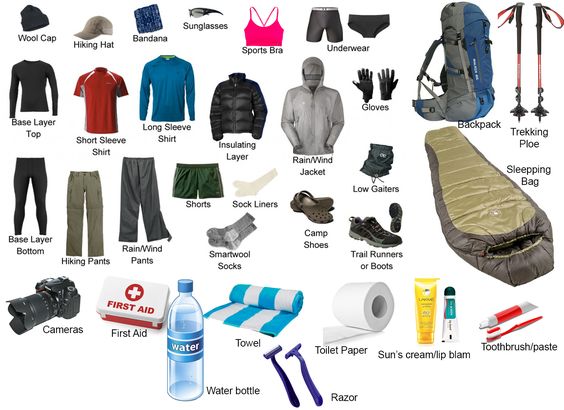
Clothing: Layering for the Himalayan Climate

  1. Base Layer:
    • Moisture-wicking long and short-sleeve t-shirts.
    • Long underwear for insulation.
  2. Insulating Layer:
    • Heavy fleece or down jacket.
    • Gortex or waterproof jacket with a hood.
    • Windbreaker and fleece pants.
  3. Outer Shell:
    • Waterproof pants.
    • Hiking socks (10), warm thermal socks (1), and underwear (10).
  4. Footwear:
    • Hiking boots with ankle support.
    • Camp shoes or tennis shoes.
  5. Accessories:
    • Sunglasses, broad-brimmed hat, neck gaiter, wool hat or balaclava.
    • Gaiters (recommended Dec-Feb).

Trekking-equipment-list

Trekking Gear & Supplies: Tools for a Smooth Trek

  1. Duffle Bag (We will Provide):
    • For porters to carry your gear.
  2. Daypack (40L):
    • Waterproof cover.
    • Water bottles or hydration bladder.
    • Sleeping bag rated to -18°C/0°F (rental available).
    • Trekking poles, headlamp with extra batteries.
  3. Hydration & Nutrition:
    • Lightweight water filter or iodine tablets.
    • Snacks, thermos (optional for hot beverages), re-hydration gels or powder.
  4. Toiletries:
    • Sunscreen, lip balm with sunscreen, toilet paper, medical supplies, personal prescriptions, hygiene products, and more.
  5. Additional Supplies:
    • Portable solar charger/power bank, book, journal/pen, playing cards.

Important Documents: Don’t Forget the Paperwork

  1. Passport and Visa:
    • Needed at the entry gate for registration.
    • Visa available on arrival in Kathmandu.
  2. Money:
    • $250-350 in cash recommended.
  3. Travel Insurance:
    • Essential for your safety.

Gear Buying Tips in Kathmandu: Quality Over Brand

Kathmandu offers affordable trekking gear, but prioritize quality over brand. Check zippers, stitching, and strap attachments. While Kathmandu may not have top-brand gear, it’s a budget-friendly option for quality equipment.

Final Tips: Embrace Layering, Comfortable Footwear, and Adaptability

Layering is Key:

  • Himalayan weather fluctuates, so layering allows easy temperature regulation.

Footwear Matters:

  • Invest in broken-in hiking boots and bring a lighter option for evenings.
  • Comfort is crucial; ensure your shoes fit well.

Adaptability is Essential:

  • Tea houses along the trail offer the chance to buy forgotten items.
  • Purchase necessities in Kathmandu to avoid higher prices on the mountain.

Embark on your Everest Base Camp trek fully equipped and prepared for the extraordinary journey that awaits. For any queries or further assistance, don’t hesitate to reach out to our Adventure Specialists.

Happy trekking! ?️✨

Discovering Khumjung Village: A Gem in the Heart of the Himalayas

Discovering Khumjung Village: A Gem in the Heart of the Himalayas

Nestled in the heart of the Solukhumbu region, Khumjung Village offers a unique blend of cultural richness and stunning natural beauty. As part of the Everest Panorama Luxury Trek, a visit to Khumjung provides an authentic glimpse into the lives of the Sherpa people, framed by the awe-inspiring backdrop of the Himalayas.

A Journey to Remember

The journey to Khumjung begins with an exhilarating flight to Lukla, followed by a scenic trek through lush forests, past vibrant rhododendron blossoms, and across suspension bridges that span roaring rivers. As you ascend, the bustling hub of Namche Bazaar welcomes you with its lively atmosphere, offering a perfect spot to acclimatize and enjoy the blend of modern amenities and traditional Sherpa culture.

The Heart of Sherpa Culture

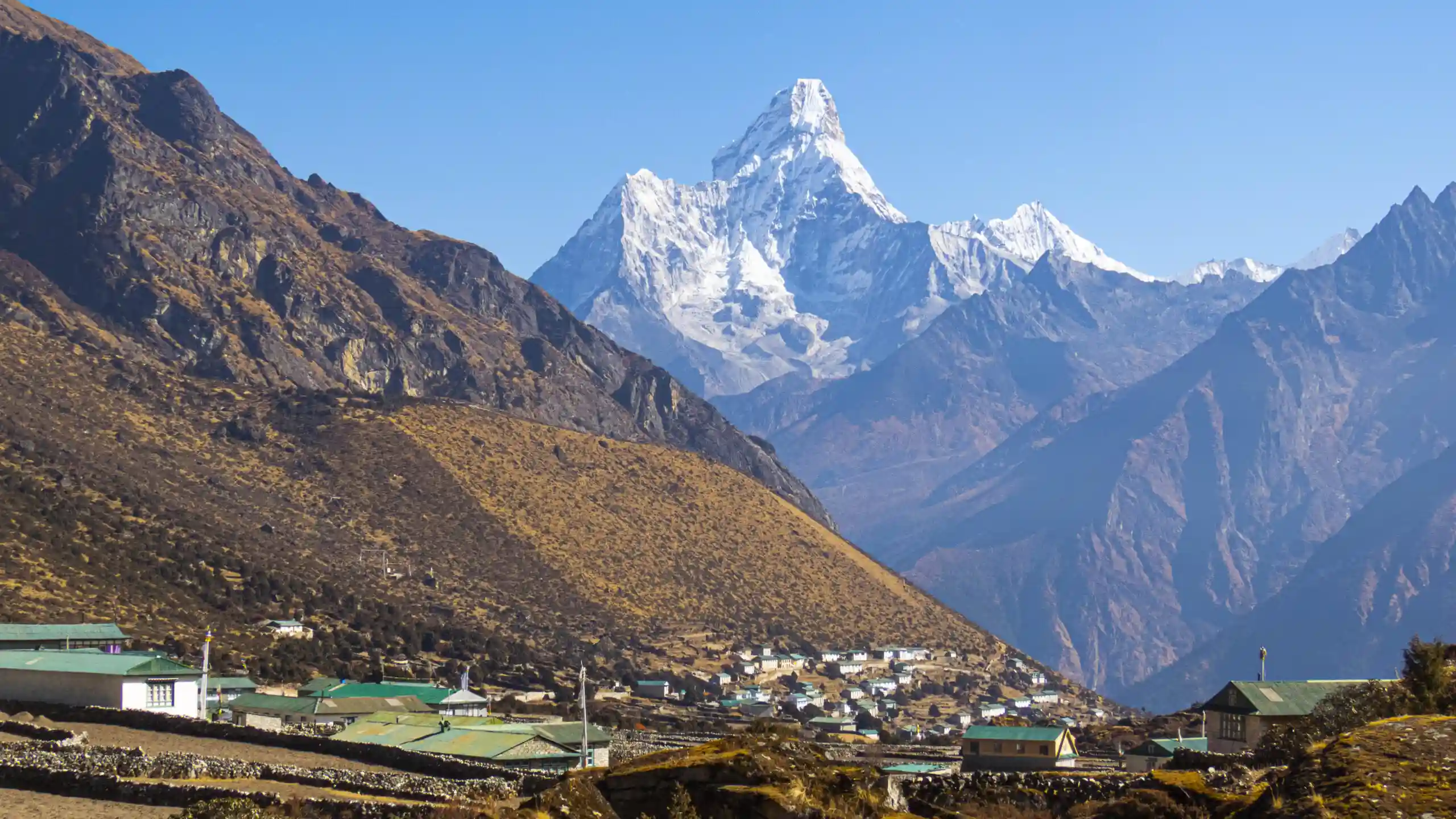
Arriving in Khumjung, you’ll immediately sense the tranquility that permeates this historic village. Known as one of the oldest and largest Sherpa settlements in the region, Khumjung is a testament to the enduring spirit and rich traditions of its people. The village is surrounded by the towering peaks of Ama Dablam, Thamserku, and the sacred Khumbila, creating a breathtaking panorama that captivates every visitor.

Must-See Highlights

1. Khumjung Monastery: This ancient monastery is home to a purported yeti scalp, adding a touch of mystery to your visit. The serene environment of the monastery invites quiet contemplation and a deeper connection to the spiritual heritage of the Sherpas.

2. Edmund Hillary School: Established by Sir Edmund Hillary in 1961, this school stands as a symbol of the enduring friendship between the Sherpas and the legendary mountaineer. It’s a remarkable place to learn about the educational strides made in this remote region and the opportunities it provides to local children.

3. Yak Farms: Khumjung is home to several yak farms where you can observe these majestic animals up close. Yaks are integral to Sherpa life, providing milk, butter, and meat, and playing a crucial role in transportation and agriculture.

Immersive Cultural Experience

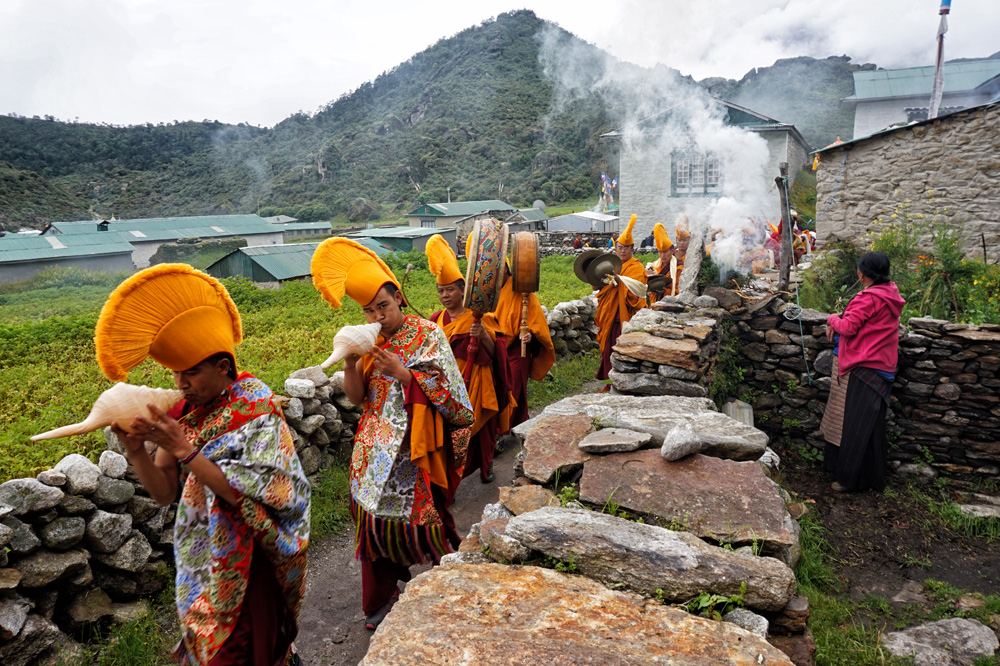
A stay in Khumjung is not just about the sights, but also the immersive experiences. Engage with the warm and hospitable locals, participate in traditional Sherpa practices, and enjoy the unique cuisine that reflects the high-altitude lifestyle. The village’s traditional houses, with their stone walls and neatly stacked wood piles, offer a glimpse into the enduring architecture and daily life of the Sherpas.

Khumjung village-gompa-reopening08-17pasang-dawa-sherpa-01

Luxury Amidst the Wilderness

The Everest Panorama Luxury Trek ensures that your stay in Khumjung is as comfortable as it is enriching. Enjoy luxurious accommodations that provide modern comforts while maintaining a close connection to nature. After a day of exploration, unwind in a cozy lodge with breathtaking views of the surrounding peaks.

A Trek to Tengboche Monastery

From Khumjung, the trek extends to the renowned Tengboche Monastery, situated at an elevation of 3,867 meters. This journey is perfect for those seeking a less strenuous trek that still offers the awe-inspiring vistas of Mt. Everest and the surrounding mountains. Tengboche is not only a spiritual center but also provides some of the most iconic views of the Everest region.

Plan Your Adventure

Khumjung Village is a highlight of the Everest Panorama Luxury Trek, offering a perfect blend of cultural immersion and natural beauty. Whether you’re an avid trekker or a cultural enthusiast, Khumjung promises an unforgettable experience. Book your trek now and embark on a journey that will leave you with lasting memories of the majestic Himalayas and the resilient Sherpa people.

Discover the heart of the Himalayas with the Everest Panorama Luxury Trek and let Khumjung Village be the jewel in your adventure’s crown.

chat-in-website
Need Help? Chat with us
chat-in-website
Need Help? Chat with us