
Api Himal Base Camp Trek 2026 – Complete Guide to Nepal’s Secret 7,132m Mountain
 Broad Adventure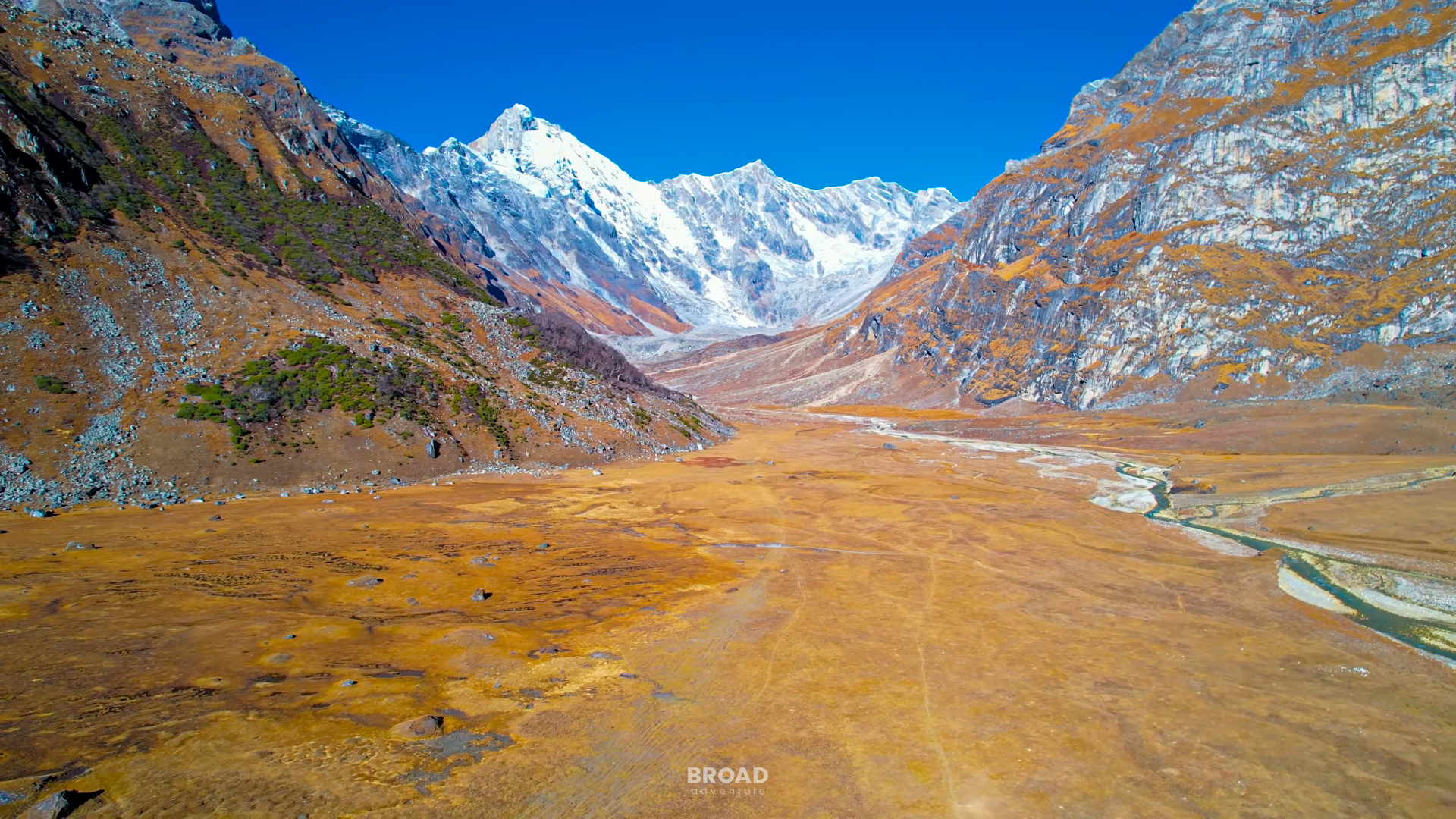
 Blog Read Time
Api Himal Base Camp Trek – Nepal’s Quietest Giant
Api is not loud.
Everest shouts. Annapurna sings. Api just waits.
Three days from Kathmandu, past the hot Terai plains of Dhangadhi, up winding jeep roads into the far-western hills of Darchula, you finally lace your boots at a little riverside hamlet called Makarigadh.
From there, there are no souvenir shops. No WiFi passwords written on chalkboards. Just stone trails, cool pine air, and mountain villages where children still run outside to say Namaste.
After five days of walking, you step out of the rhododendron forest into open alpine grass, and there it is:
Mt. Api — 7,132m / 23,399ft — Nepal’s westernmost 7,000m peak, rising sheer and white like a wall of ice.
That is Api Himal Base Camp: 3,900m / 12,795ft, with the sacred Kalidhunga Taal resting higher at 4,200m.
It is quiet enough here to hear the wind moving through prayer flags.
This is why recent trekkers keep calling Api “off-the-beaten-path,” “Hidden Himalayas,” and “one of Nepal’s most underrated routes.”
| Quick Answer Box – Api Himal Base Camp | |
|---|---|
| Where | Darchula District, Sudurpashchim Province, Far-Western Nepal, Api Nampa Conservation Area |
| Peak | Mt. Api, 7,132m |
| Base Camp | 3,900m, Kalidhunga Lake 4,200m |
| How long | 9 days (fast/local), 12–13 days (classic), 17 days with Kathmandu + safari |
| Difficulty | Hard / Moderate to Challenging. 5–7 hours daily on rocky, steep trails |
| Best time | Spring (March – May) | Autumn (October – November) |
| Crowds | Fewer than 500 trekkers visit yearly vs. 50,000+ in Everest} |
| Stay | Family-run teahouse lodges, basic rooms, shared bathrooms |
| Cost (2025–2026) | USD 1,400 – 2,200 guided. Solo: USD 2,200 | Group (2–6): USD 1,500 pp | Group (7–10): USD 1,400 pp |
The Road In – Getting to the Edge of Nepal
You do not just arrive at Api. You earn the quiet.
Getting There
Day 1: Kathmandu. Thamel tea, permit photos, final gear checks.
Day 2: Fly from Kathmandu to Dhangadhi (1 hour 10 minutes). In just over an hour, you drop from cool hills into the hot Terai plains. The air feels heavier, warmer, almost tropical.
Then the jeep journey begins: Dhangadhi – Dadeldhura – Gokuleshwor (6–8 hours). Long switchbacks, green terraces, roadside villages, and schoolchildren waving as you pass. Overnight in Gokuleshwor (900m).
The next morning, another 3–4 hour drive reaches Makarigadh (1,300m). The roaring Chameliya River follows the road. This is where the engines stop and the trek begins.
Walking In – Day by Day
Makarigadh to Sitigaun / Khandeswori (2,200m)
Duration: 6–7 hours
The trail starts warm and green. Terraced millet fields, stone houses decorated with marigolds, pine needles underfoot, and little wooden bridges crossing streams. Expect warm tea from local families and your first classic teahouse stay with thick blankets and hot dal bhat.
Sitigaun to Dhauliodar (3,100m)
Duration: 5–6 hours
The forest thickens with pine and rhododendron. In spring, the hillsides turn red with blooming rhododendrons. Shepherd huts appear in clearings. Dhauliodar (“White Cliff”) is an open meadow beneath bright limestone cliffs — perfect for stargazing.
Dhauliodar to Api Base Camp (3,900m)
Duration: 5–6 hours
The biggest day. A cold alpine morning. Frost crunches under your boots. Trees disappear. Only rock, sky, and the growing face of Api remain.
At Base Camp, a blue sign welcomes you. Prayer flags snap in the wind. Behind them rises the enormous white wall of Api.
Optional Push: Kalidhunga Taal (4,200m)
Just 45 minutes above base camp lies a sacred glacial lake — turquoise, still, and deeply revered by locals. The silence here is unforgettable.
The Lakes Loop
If you have the strength, add an extra day to visit Ringdepani Taal (~4,000m), a hidden alpine lake surrounded by rugged cliffs and almost complete solitude.
Descending feels faster and warmer. Villages like Nali (2,430m) feel almost tropical after base camp.
The People – Why Api Stays With You
This is not luxury trekking. This is home-stay culture.
The trail crosses ancient Byasi villages where Khas, Bhote, Brahmin, Chhetri, and Tharu communities live. They herd yaks, gather Yarshagumba in season, and welcome travelers with butter tea and warm smiles.
“Khaana khanu bhayo?” — Have you eaten?
Food and Sleep
- Rooms: Wooden beds, thick blankets, shared toilets.
- Food: Dal bhat, soups, noodles, pasta, garlic soup.
- Water: Boiled or filtered water available. Carry purification tablets.
- Power: Limited electricity. Bring a 20,000mAh power bank.
- Signal: Mobile network fades after Simar.
Nature – What You Will See
- Peaks: Api (7,132m), Nampa (6,757m), Saipal (7,031m)
- Forests: Rhododendron, pine, and conifer
- Wildlife: Blue sheep, Himalayan griffons, musk deer, yak caravans
- Rivers: The turquoise Chameliya River
- Flowers: Alpine wildflowers blooming around Kalidhunga in June
Permits (2026)
- Vyas Rural Municipality Permit – USD 90 (7 days), then USD 15/day
- TIMS Card – USD 20
Cost
| Package | Cost |
|---|---|
| Solo Trek | USD 2,200 |
| Group (2–6) | USD 1,500 pp |
| Group (7–10) | USD 1,400 pp |
Fitness & Safety
- Train 4–6 hours weekly before the trek
- Hike 5–7 hours daily on steep rocky trails
- Carry travel insurance with helicopter evacuation
- Bring cash — no ATMs after Dhangadhi
- Start early to avoid afternoon clouds
- Always trek with a guide
Packing List
Waterproof boots, base layers, fleece/down jacket, shell jacket, gloves, warm hat, -10°C sleeping bag, trekking poles, headlamp, sunglasses, sunscreen, first aid, purification tablets, power bank.
Best Time to Go
- Spring (March–May): Rhododendrons, clear skies, Yarshagumba harvest
- Autumn (October–November): Best visibility and photography
- Monsoon: Avoid due to landslides and leeches
- Winter: Heavy snow and blocked trails
How to Book
Book 2–3 months in advance for spring or autumn. A 20% deposit and passport copy are required for permit processing.
Final Word
Api is not for ticking a box. It is for those who want to experience the Himalayas in their rawest form — where you see more yaks than tourists, drink tea with shepherds, and sit beside sacred turquoise lakes in complete silence.
You don’t just reach Api. You feel your way through it.
Related Stories & Blogs
September 18, 2026
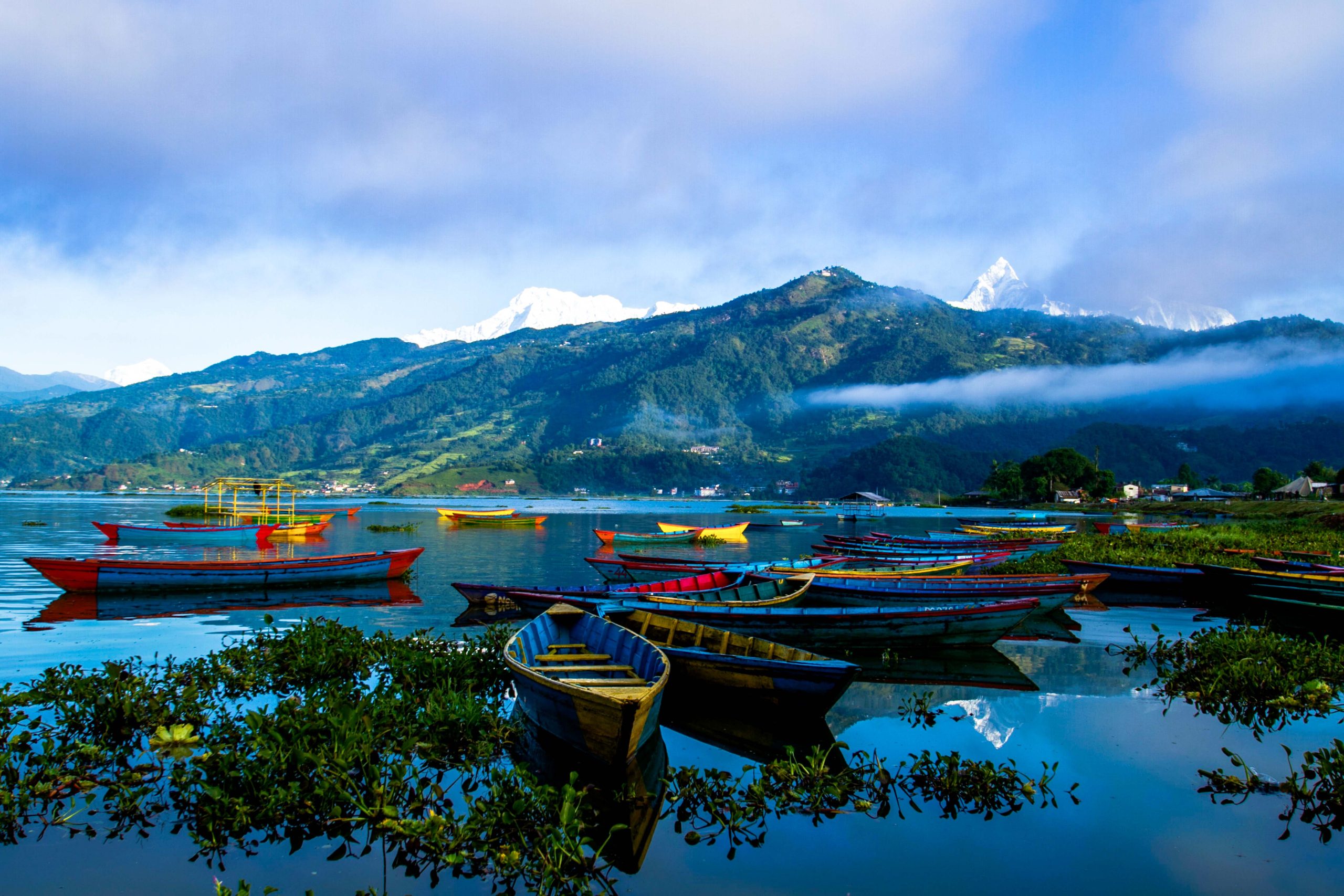
Ultimate Pokhara Travel Guide: Top Things to Do in Nepal’s Adventure Capital
Blog Read Time This post has 864 words .This post has 5431 characters.This post take 5 minute to read....
August 26, 2026
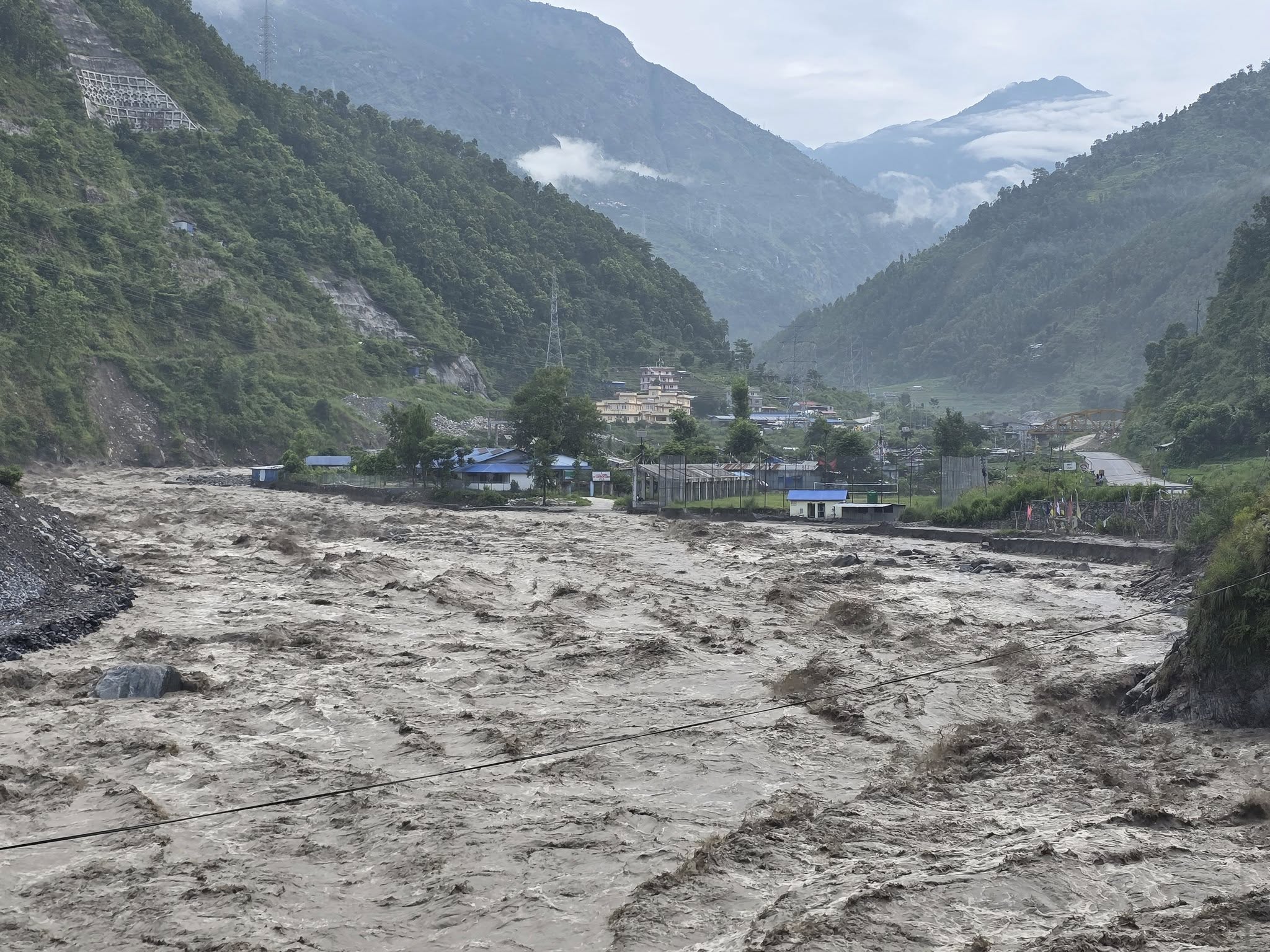
Travel Alert: Langtang Trekking Area – Syabrubesi Route Flooded
Blog Read Time This post has 610 words .This post has 4008 characters.This post take 3 minute to read....
July 14, 2026
Mudi–Gurja–Jaljala Trek: Discover Nepal’s Hidden Himalayan Trail in the Dhaulagiri Region
Blog Read Time This post has 789 words .This post has 5548 characters.This post take 5 minute to read....
June 26, 2026
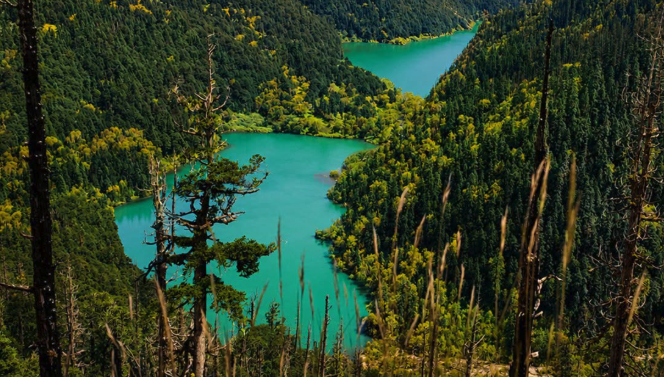
Gidi Lake: Jumla’s Hidden Alpine Jewel in the Heart of Karnali
Blog Read Time This post has 408 words .This post has 2790 characters.This post take 2 minute to read....
May 11, 2026
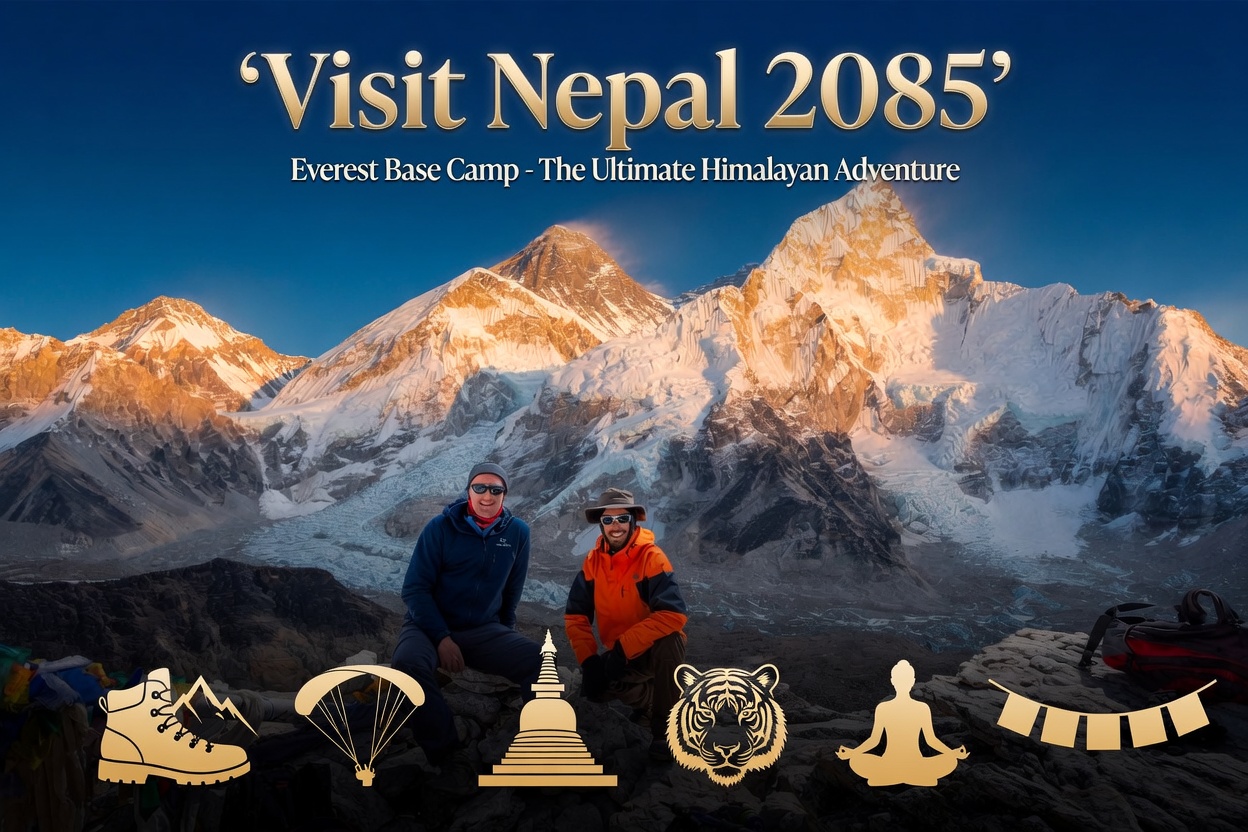
Visit Nepal 2085: Your Ultimate Guide to Nepal’s Grand Tourism Renaissance
Blog Read Time This post has 835 words .This post has 5986 characters.This post take 4 minute to read....
May 08, 2026
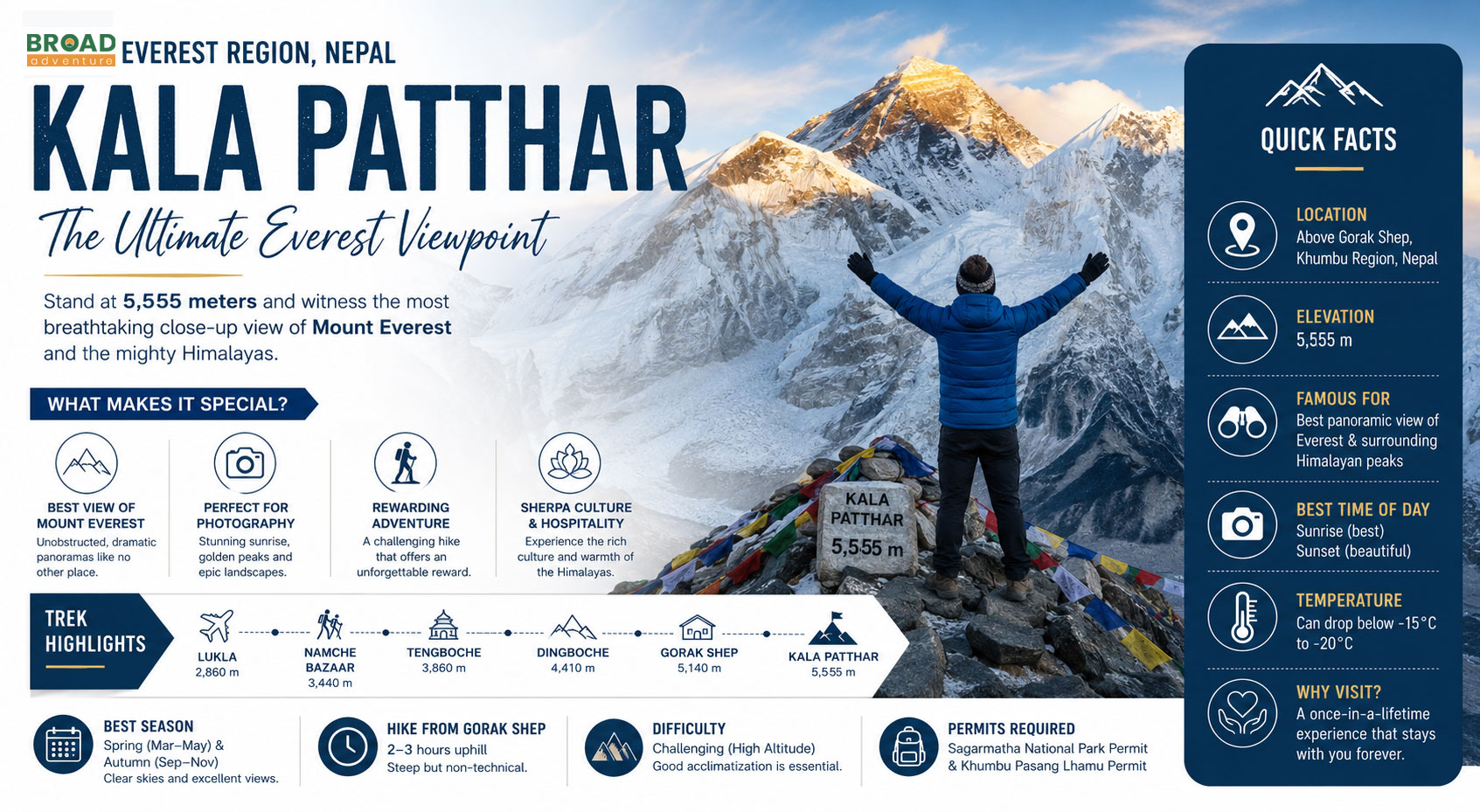
Kala Patthar – The Ultimate Everest Viewpoint in Nepal
Blog Read Time This post has 1004 words .This post has 6823 characters.This post take 6 minute to read....
May 05, 2026
Kayzo Ri Peak Climbing (6,186m): The Ultimate Guide to a Hidden Himalayan Expedition
Blog Read Time This post has 1554 words .This post has 10057 characters.This post take 8 minute to read....
March 23, 2026
Nepal Allows Solo Permits for Restricted Area Trekking
Blog Read Time This post has 791 words .This post has 5416 characters.This post take 5 minute to read....
January 02, 2026
Trekking Permits in Nepal: Complete Guide for 2026
Blog Read Time This post has 2403 words .This post has 17304 characters.This post take 12 minute to read....
