
Trekking Permits in Nepal: Complete Guide for 2026
 ramesh
 Blog Read Time
Nepal is one of the world’s greatest trekking destinations, with routes ranging from the classic Everest Base Camp and Annapurna Circuit to remote and restricted regions such as Manaslu, Upper Mustang, Tsum Valley, and Dolpo.
Before setting off on a trek, it is important to understand the trekking permits and entry requirements for your particular route.
Nepal does not have one single permit that covers every trek. Depending on your destination, you may need a combination of a TIMS card, national park entry permit, conservation area permit, restricted-area trekking permit, and local government entry fee.
The requirements also vary between trekking regions and can change with government regulations.
This guide explains the main trekking permits in Nepal, where they apply, what they cost, and what international trekkers need to know before starting their trek.
Important: Permit fees and regulations can change. The information below reflects the current official information available for 2026. Always confirm the requirements for your exact itinerary before departure.
Q. Do You Need a Permit to Trek in Nepal?
ANS. Yes, depending on where you trek.
If your trekking route passes through a national park or conservation area, you generally need to pay the applicable protected-area entry fee.
If your route enters a government-designated restricted area, you need a Restricted Area Trekking Permit issued through the appropriate authorities.
Many major trekking routes also currently require a TIMS card and a licensed trekking guide under Nepal’s trekking regulations. The Nepal Tourism Board’s current list includes routes in the Everest, Annapurna, Manaslu, Langtang, Kanchenjunga, Mustang, and other regions. (Nepal Tourism Board)
Therefore, the permits required for your trek depend on your exact route, not simply the name of the trekking region
Types of Trekking Permits in Nepal
There are four main categories trekkers should understand.
1. TIMS Card
The Trekkers’ Information Management System (TIMS) records trekker information and is currently required on many major trekking routes.
2. National Park Entry Permit
Required when your trek enters a national park such as Sagarmatha National Park or Langtang National Park.
3. Conservation Area Permit
Required for trekking in designated conservation areas such as the Annapurna and Manaslu Conservation Areas.
4. Restricted Area Trekking Permit
Required for specially designated areas such as Upper Mustang, Upper Dolpa, Manaslu, and Tsum Valley.
Some routes may also involve local government or rural municipality fees.
TIMS Card in Nepal
The TIMS card is one of Nepal’s main trekking registration systems.
Under the current system, the Nepal Tourism Board lists numerous trekking routes where trekkers must be accompanied by a licensed guide and obtain a TIMS card through a registered trekking agency.
These include major routes such as
- Everest Base Camp
- Gokyo Valley
- Everest Three Passes
- Annapurna Circuit
- Annapurna Base Camp
- Mardi Himal
- Manaslu Circuit
- Tsum Valley
- Langtang
- Kanchenjunga
- Upper Mustang
- Dolpo
- Makalu
- Rolwaling
The current NTB information states that TIMS is issued electronically by registered trekking agencies. The current listed charge is NPR 2,000 for non-SAARC trekkers and NPR 1,000 for SAARC trekkers. (Nepal Tourism Board)
QNS. Is TIMS required for every trek?
ANS. No.
The requirement depends on the route and the applicable regulations.
Because the rules can change, trekkers should check the current requirements for their specific itinerary rather than assuming that TIMS is either universally required or universally unnecessary.
National Park Entry Permits
Nepal’s major trekking routes pass through several national parks.
A national park entry permit is required when your trekking route enters the relevant protected area.
Sagarmatha National Park
Required for trekking routes in the Everest region, including:
- Everest Base Camp
- Gokyo Valley
- Everest Three Passes
- Everest View Trek
- Other routes entering Sagarmatha National Park
Langtang National Park
Relevant to routes such as
- Langtang Valley
- Langtang–Gosaikunda
- Tamang Heritage routes entering the park
- Ganja La and other routes within the protected area
The entry fee is separate from other trekking documents that may apply.
Conservation Area Permits
Nepal’s conservation areas cover some of the country’s most popular trekking destinations.
Annapurna Conservation Area Permit — ACAP
Trekkers entering the Annapurna Conservation Area generally require an Annapurna Conservation Area Permit (ACAP).
Major routes include:
-
- Annapurna Circuit
- Annapurna Base Camp
- Mardi Himal
- Ghorepani–Poon Hill
- Khopra Ridge
- Nar Phu and other routes depending on the itinerary
- The ACAP is different from a Restricted Area Permit.
For example, a trek to Nar Phu may require both conservation-area documentation and a restricted-area permit.
Manaslu Conservation Area Permit — MCAP
The Manaslu region lies within the Manaslu Conservation Area.
Trekkers on the Manaslu Circuit therefore require the applicable Manaslu Conservation Area Permit (MCAP) in addition to the restricted-area permit required for the designated Manaslu section.
A typical Manaslu Circuit package may therefore include:
-
-
- Manaslu Restricted Area Permit
- Manaslu Conservation Area Permit
- TIMS
- Annapurna Conservation Area Permit, depending on the exit route and itinerary
This is one reason Manaslu trekking permits can appear more complicated than permits for standard trekking routes.
-
Restricted Area Trekking Permits
Restricted areas are regions where the Government of Nepal has introduced additional controls on trekking access.
The purpose includes managing tourism in sensitive border areas, protecting cultural and environmental resources, and regulating access to remote regions.
A Restricted Area Trekking Permit is different from a national park or conservation area entry permit.
According to the Department of Immigration, foreign trekkers cannot obtain restricted-area permits independently; they are issued through an authorized trekking agency. (Immigration Department)
Examples of restricted trekking regions include:
-
- Manaslu
- Tsum Valley
- Upper Mustang
- Upper Dolpa
- Lower Dolpa
- Nar Phu
- Kanchenjunga
- Humla
- Parts of Makalu
- Parts of Manang
- Other officially designated areas
- Manaslu Trekking Permit
The Manaslu Circuit Trek is one of Nepal’s most important regulated trekking routes.
For the restricted section of the Manaslu region, the current official permit fee is seasonal.
According to the Department of Immigration, the Manaslu Restricted Area Permit is currently:- September–November:
USD 100 per person per week, plus USD 15 per day beyond the first week. - December–August:
USD 75 per person per week, plus USD 10 per day beyond the first week. (Immigration Department)
In addition, trekkers need the applicable conservation-area and trekking-registration documents.
- September–November:
QNS. Why does Manaslu require a special permit?
ANS. The Manaslu restricted area covers parts of Chumnubri Rural Municipality in Gorkha, including the upper Manaslu trekking corridor.
Because it is a restricted region, trekkers must follow additional government regulations and arrange the permit through an authorized trekking agency.
Tsum Valley Trekking Permit
Tsum Valley is another restricted area within the Manaslu region.
The current restricted-area permit fee is
September–November:
USD 40 per person per week, plus USD 7 per day beyond one week.
December–August:
USD 30 per person per week, plus USD 7 per day beyond one week. (Immigration Department)
Trekkers may also require the relevant Manaslu Conservation Area permit and TIMS, depending on the current regulations and itinerary.
Upper Mustang Trekking Permit
Upper Mustang is one of Nepal’s most distinctive restricted trekking destinations.
The current restricted-area permit is
USD 500 per person for the first 10 days, followed by USD 50 per person per day beyond 10 days. (Immigration Department)
This is in addition to other applicable protected-area or trekking requirements.
Upper Mustang permits are arranged through an authorized trekking agency.
Upper Dolpa Trekking Permit
Upper Dolpa is another premium restricted trekking region.
The current permit structure is:
USD 500 per person for the first 10 days, followed by USD 50 per person per day beyond 10 days. (Immigration Department)
Because of its remote location and restricted status, trekking in Upper Dolpa requires careful advance planning.
Annapurna Trekking Permits
The Annapurna region is one of Nepal’s most popular trekking destinations.
Depending on your route, you may need:
- Annapurna Conservation Area Permit
- TIMS
- Restricted Area Permit for certain restricted sections
- Local government entry requirements where applicable
Popular Annapurna treks
Annapurna Circuit
ACAP + applicable trekking registration and guide requirements.
Annapurna Base Camp
ACAP + applicable trekking registration and guide requirements.
Mardi Himal
ACAP + applicable trekking registration and guide requirements.
Nar Phu Valley
ACAP + Restricted Area Permit + applicable trekking registration and guide requirements.
Everest Trekking Permits
Everest trekking has its own permit structure.
For routes entering Sagarmatha National Park, trekkers require the relevant national park entry permit.
Depending on the route and current regulations, trekkers may also require:
- TIMS
- Khumbu local government entry fee
- Climbing or peak permits if the itinerary includes a climbing expedition
Popular Everest routes
- Everest Base Camp Trek
- Gokyo Valley Trek
- Everest Three Passes Trek
- Everest View Trek
- Mera Peak Trek
- Everest Base Camp via Gokyo
For trekking-only itineraries, do not confuse a trekking permit with a mountaineering permit. Peak climbing has a separate permit and royalty system.
How Much Do Trekking Permits Cost in Nepal?
There is no single trekking permit price for Nepal.
The total cost depends on:
- Your trekking region
- The number of protected areas entered
- Whether the route is restricted
- The season
- The number of days inside a restricted area
- Whether TIMS applies
- Local government entry requirements
For example, a standard Annapurna trek and a Manaslu trek have very different permit structures.
A restricted trek to Upper Mustang or Upper Dolpa can have substantially higher government permit costs than a standard trek.
Nepal Trekking Permit Cost: Quick Reference
|
Trek / Region |
Main Permit Requirements |
|---|---|
|
Everest Base Camp |
Sagarmatha National Park + TIMS + applicable local entry |
|
Gokyo |
Sagarmatha National Park + TIMS + applicable local entry |
|
Everest Three Passes |
Sagarmatha National Park + TIMS + applicable local entry |
|
Annapurna Circuit |
ACAP + TIMS + applicable local requirements |
|
Annapurna Base Camp |
ACAP + TIMS + applicable local requirements |
|
Mardi Himal |
ACAP + TIMS + applicable local requirements |
|
Manaslu Circuit |
Manaslu RAP + MCAP + TIMS + applicable requirements |
|
Tsum Valley |
Tsum RAP + MCAP + TIMS + applicable requirements |
|
Nar Phu |
Restricted Area Permit + ACAP + TIMS + applicable requirements |
|
Upper Mustang |
Restricted Area Permit + applicable protected-area requirements + TIMS |
|
Upper Dolpa |
Restricted Area Permit + applicable protected-area requirements + TIMS |
|
Langtang |
Langtang National Park + TIMS + applicable requirements |
Important: This table is a planning guide rather than a substitute for checking the current requirements for your exact itinerary.
Who Arranges Trekking Permits in Nepal?
For ordinary protected-area trekking, permits may be available through the relevant authorities and designated offices.
For restricted-area trekking, foreign trekkers must use an authorized trekking agency to arrange the required permit. The Department of Immigration confirms that authorized trekking agencies issue restricted-area permits. (tourismdepartment.gov.np)
A professional trekking agency can arrange:
- TIMS
- Restricted Area Permits
- Conservation Area Permits
- National Park permits
- Local entry fees
- Guide arrangements
- Porter arrangements
- Trekking documentation
This is particularly important for Manaslu, Tsum Valley, Upper Mustang, Upper Dolpa, and other restricted routes.
What Documents Do You Need?
The exact documents depend on the permit.
For international trekkers, commonly required information includes:
- Valid passport
- Passport details
- Passport photograph
- Trekking itinerary
- Trekking dates
- Trekking agency details
- Guide information
- Insurance information for restricted-area applications where applicable
For restricted-area permits, the trekking agency submits the required application and supporting documents to the relevant authority.
Can You Trek Without a Guide?
This depends on the route and current government regulations.
For many major trekking routes, the Nepal Tourism Board currently lists a licensed guide and TIMS card as mandatory, including Everest, Annapurna, Manaslu, and several other regions. (Nepal Tourism Board)
Restricted areas have additional requirements and must be arranged through an authorized trekking agency.
Therefore, do not assume that because a trek was once possible independently, it remains so under current regulations.
When Should You Arrange Your Trekking Permits?
It is best to arrange your permits before starting the trek from Kathmandu or the relevant gateway city.
For restricted areas, preparation is especially important because the permit application involves an authorized trekking agency and specific documentation.
If you book a complete trekking package, confirm with your agency that the quoted price includes all applicable government permits.
Are Trekking Permits Included in Trek Package Prices?
It depends on the trekking company.
Some companies advertise only the trekking cost and list permits separately.
Others provide an all-inclusive trekking package covering:
- Trekking permits
- TIMS
- National park/conservation fees
- Guide
- Porter
- Accommodation
- Meals
- Transportation
Always check the “included” and “excluded” sections of your trekking package.
A low advertised trekking price may not include all government fees.
Why Does Nepal Have Different Trekking Permits?
Nepal’s trekking permit system reflects the country’s diverse geography and administrative structure.
A single trek can pass through:
National Park → Conservation Area → Rural Municipality → Restricted Area
Each may have different management responsibilities and entry requirements.
The system therefore combines tourism management with conservation, local administration, security, and monitoring.
For trekkers, the important point is simple:
The permit you need depends on where your feet take you.
Trekking Permit Checklist
Before leaving Kathmandu, make sure you have confirmed:
- Passport details are correct.
- Required TIMS has been arranged
- National park entry permit, if applicable
- Conservation area permit, if applicable
- Restricted Area Permit, if applicable
- Local government entry requirements
- Licensed guide requirement
- Trekking agency registration requirement
- The trekking itinerary matches your permits.
- Travel insurance covers your trek and altitude.
- Emergency contact information is available.
Trekking Permits for Popular Nepal Treks
Everest Base Camp
Main requirements: Sagarmatha National Park + TIMS + applicable local entry requirements.
Annapurna Circuit
Main requirements: Annapurna Conservation Area Permit + TIMS + applicable local requirements.
Annapurna Base Camp
Main requirements: Annapurna Conservation Area Permit + TIMS + applicable requirements.
Manaslu Circuit
Main requirements: Manaslu Restricted Area Permit + Manaslu Conservation Area Permit + TIMS + applicable route requirements.
Tsum Valley
Main requirements: Tsum Valley Restricted Area Permit + Manaslu Conservation Area Permit + TIMS + applicable requirements.
Upper Mustang
Main requirements: Upper Mustang Restricted Area Permit + applicable conservation-area and trekking requirements.
Langtang Valley
Main requirements: Langtang National Park entry + TIMS + applicable requirements.
Plan Your Nepal Trek With the Right Permits
Nepal’s trekking permit system may seem complicated at first, but it becomes straightforward once your route is confirmed.
The most important thing is to identify your exact trekking itinerary before calculating permit costs.
For standard trekking routes, you may need a combination of TIMS and protected-area entry permits.
For restricted regions such as Manaslu, Tsum Valley, Upper Mustang, and Upper Dolpa, additional government permits and agency arrangements are required.
If you are travelling with a registered trekking agency, your agency can arrange the required permits and explain exactly what is included in your trekking package.
The right permit is more than a formality. It is part of responsible, legal, and well-prepared trekking in Nepal.
Official Sources
For the latest permit regulations and fees, check the official sources before travelling:
- Nepal Tourism Board — trekking and TIMS information
- Department of Immigration—restricted-area trekking permits
- Department of Tourism — restricted trekking areas
- Relevant national park and conservation-area authorities
Permit fees and regulations may change.
Related Stories & Blogs
September 18, 2026
Ultimate Pokhara Travel Guide: Top Things to Do in Nepal’s Adventure Capital
Blog Read Time This post has 864 words .This post has 5431 characters.This post take 5 minute to read....
August 26, 2026
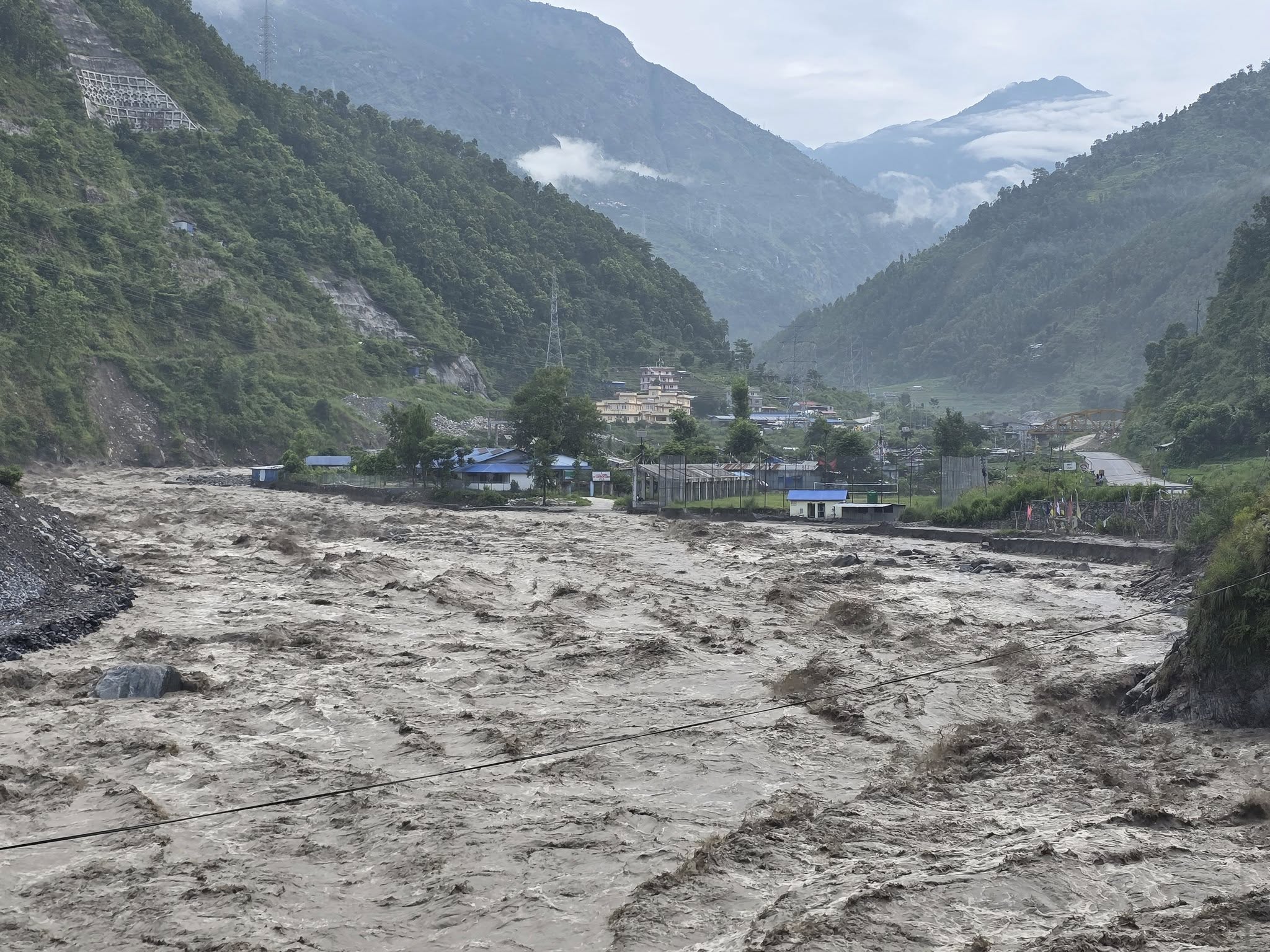
Travel Alert: Langtang Trekking Area – Syabrubesi Route Flooded
Blog Read Time This post has 610 words .This post has 4008 characters.This post take 3 minute to read....
July 14, 2026
Mudi–Gurja–Jaljala Trek: Discover Nepal’s Hidden Himalayan Trail in the Dhaulagiri Region
Blog Read Time This post has 789 words .This post has 5548 characters.This post take 5 minute to read....
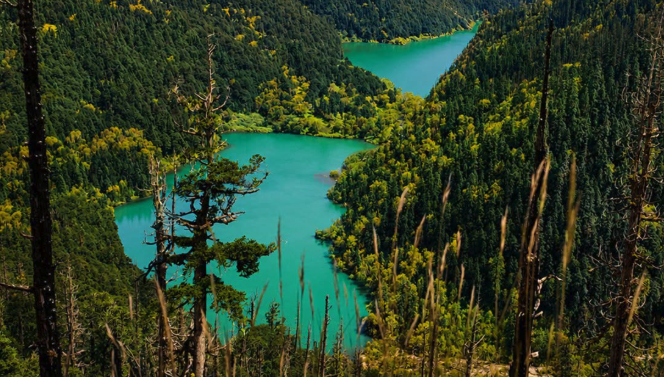
June 26, 2026
Gidi Lake: Jumla’s Hidden Alpine Jewel in the Heart of Karnali
Blog Read Time This post has 408 words .This post has 2790 characters.This post take 2 minute to read....
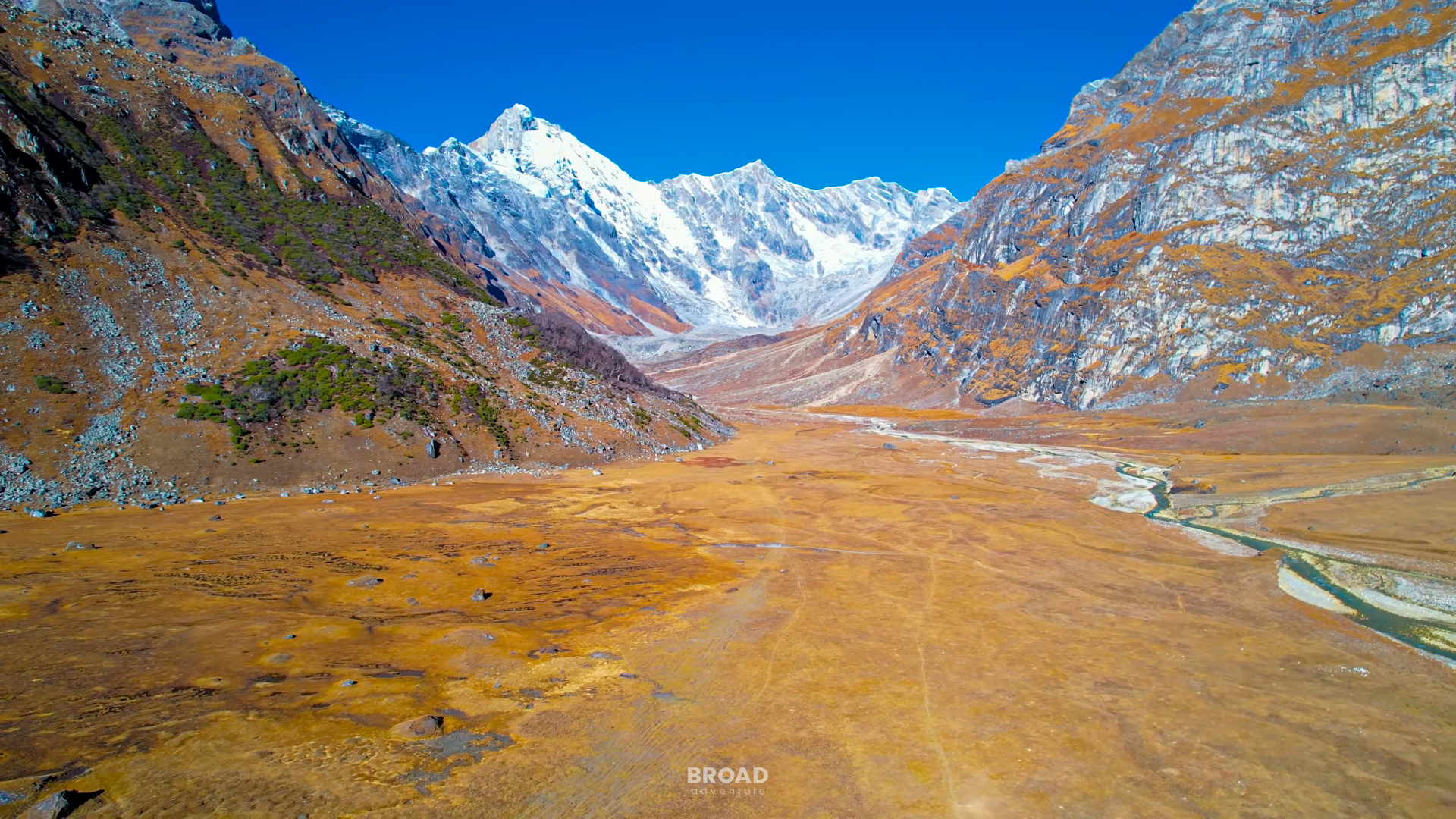
June 13, 2026
Api Himal Base Camp Trek 2026 – Complete Guide to Nepal’s Secret 7,132m Mountain
Blog Read Time This post has 965 words .This post has 6535 characters.This post take 5 minute to read....
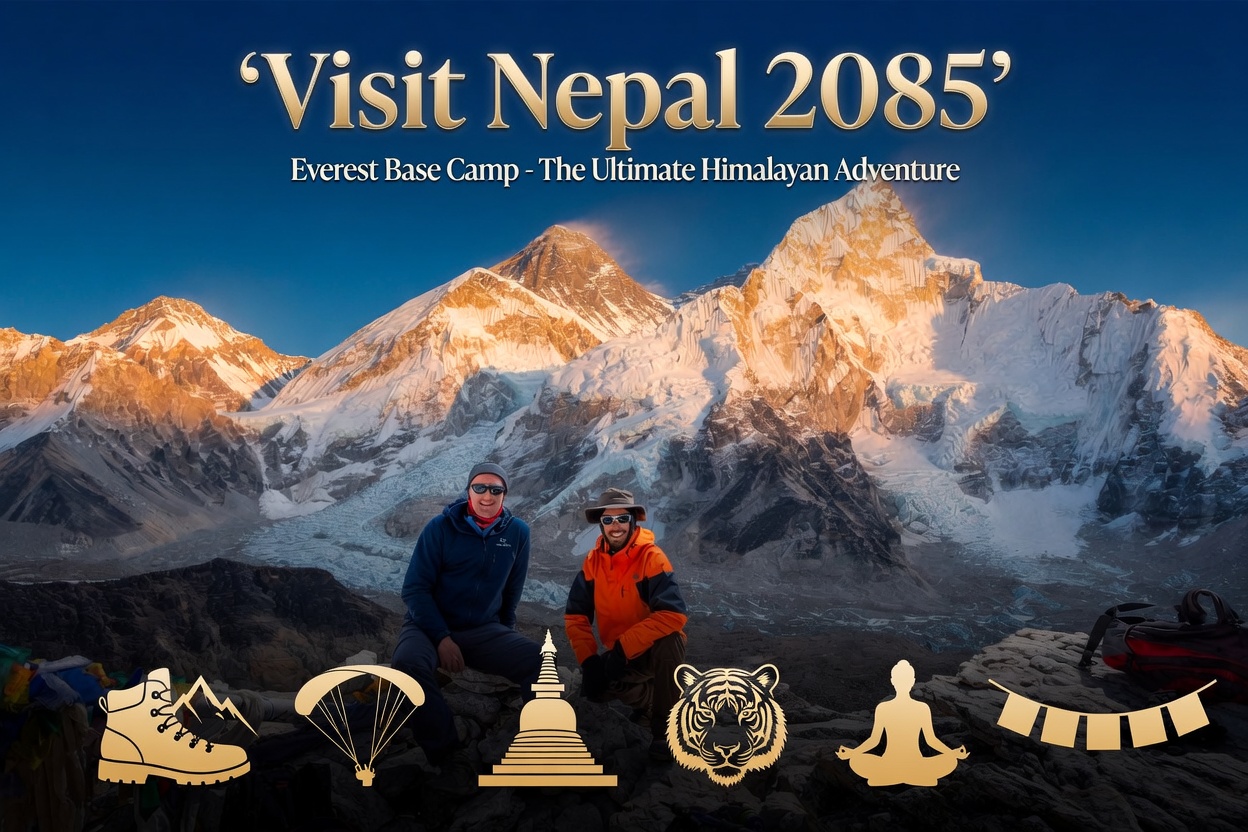
May 11, 2026
Visit Nepal 2085: Your Ultimate Guide to Nepal’s Grand Tourism Renaissance
Blog Read Time This post has 835 words .This post has 5986 characters.This post take 4 minute to read....
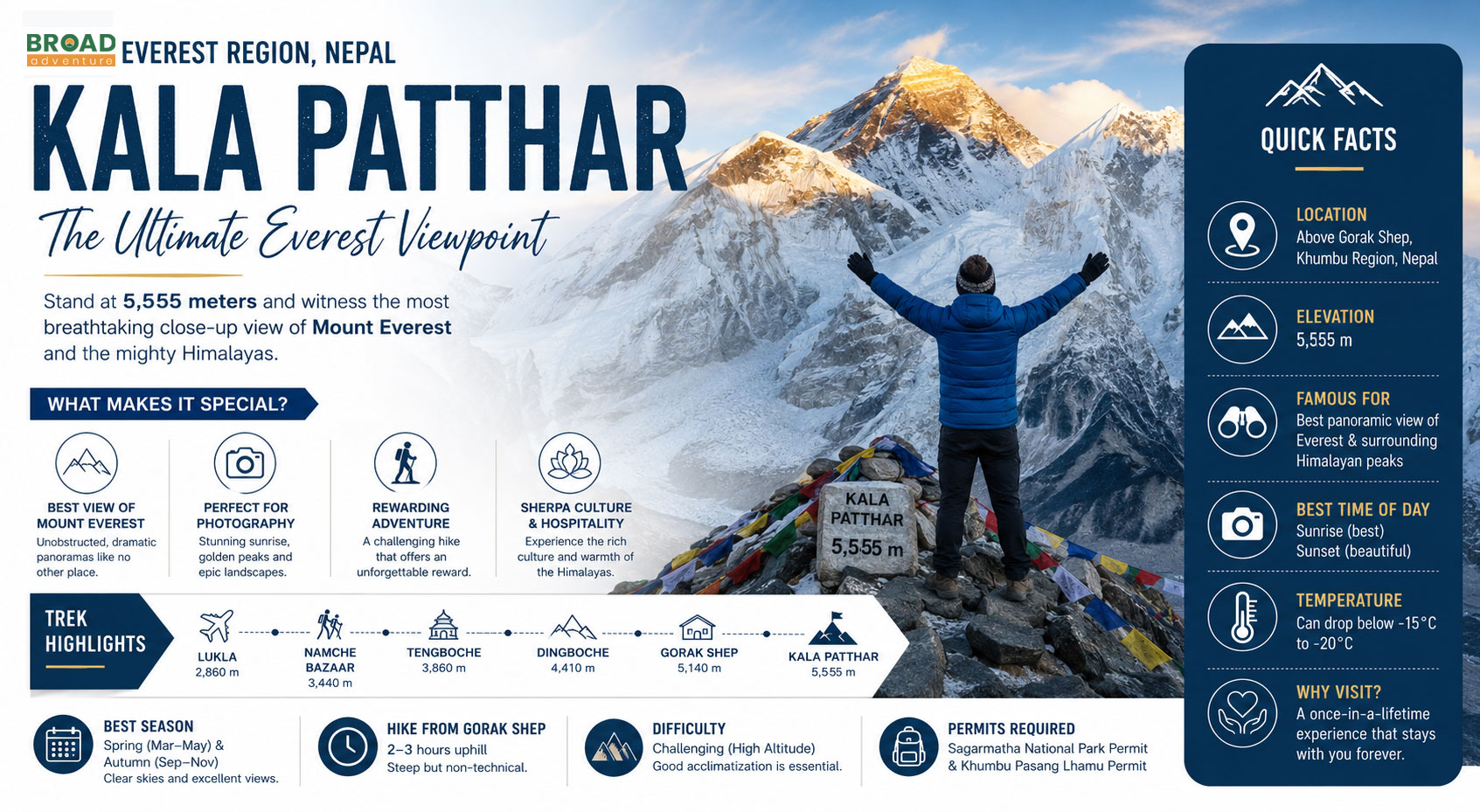
May 08, 2026
Kala Patthar – The Ultimate Everest Viewpoint in Nepal
Blog Read Time This post has 1004 words .This post has 6823 characters.This post take 6 minute to read....
May 05, 2026
Kayzo Ri Peak Climbing (6,186m): The Ultimate Guide to a Hidden Himalayan Expedition
Blog Read Time This post has 1554 words .This post has 10057 characters.This post take 8 minute to read....
March 23, 2026
Nepal Allows Solo Permits for Restricted Area Trekking
Blog Read Time This post has 791 words .This post has 5416 characters.This post take 5 minute to read....
