
Gastronomy Tourism in Nepal: Discover the Country Through Its Diverse Food Cultures
 Broad Adventure
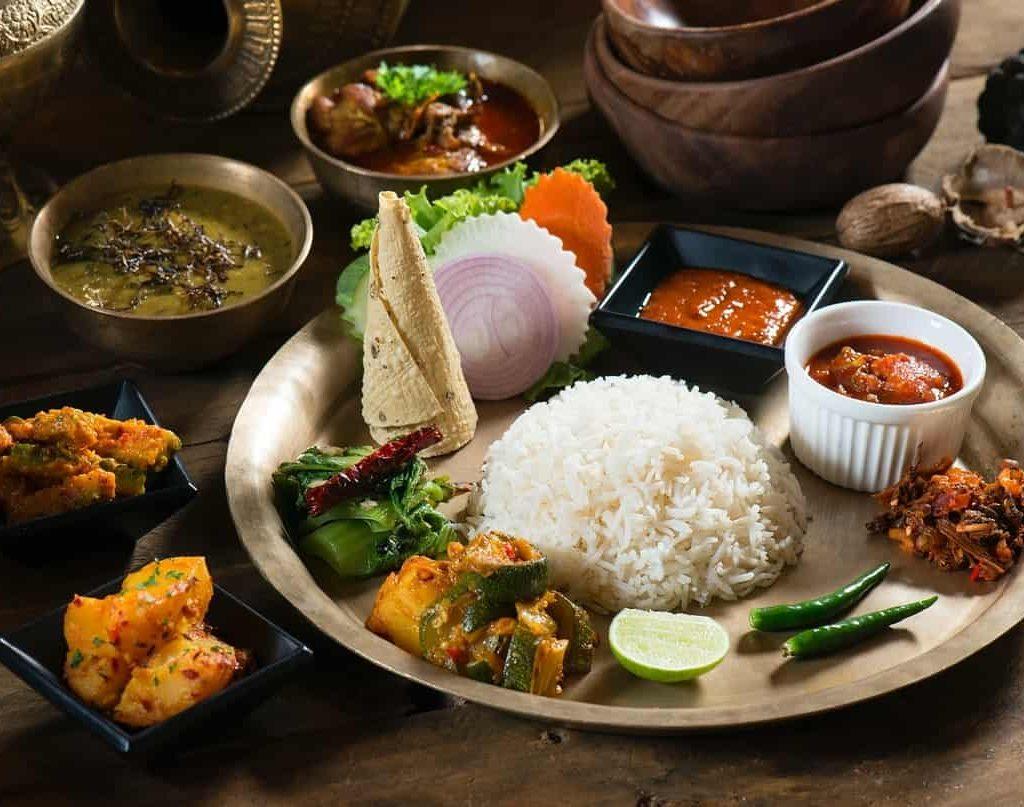
 Blog Read Time
Beyond Mountains, Temples, and Trekking Trails, Discover Nepal Through Its Flavors, Traditions, and Culinary Heritage.
Nepal is internationally recognized for its spectacular Himalayan landscapes, trekking routes, ancient temples, Buddhist monasteries, and diverse cultural heritage. However, there is another fascinating dimension of Nepal that deserves greater international recognition: its extraordinary food culture.
Situated between the cultural influences of South Asia and the Himalayan region, Nepal is home to numerous ethnic communities, religions, geographical landscapes, and traditional lifestyles. This diversity is reflected in its food. From the elaborate Newari feasts of the Kathmandu Valley to the traditional Himalayan meals of Sherpa communities, the indigenous food practices of the Tharu people, and the distinctive cuisine of the Thakali community, every region offers a different culinary experience.
Food in Nepal is not simply about satisfying hunger. It is connected to history, religion, agricultural practices, festivals, family relationships, community identity, and indigenous knowledge.
For travellers interested in discovering authentic local cultures, gastronomy tourism offers an opportunity to understand Nepal through something deeply meaningful and universal: food.
At Broad Adventure, we believe that travelling through Nepal should involve more than visiting destinations. It should also mean discovering the people, traditions, lifestyles, and flavors that make each destination unique.
What Is Gastronomy Tourism?
Gastronomy tourism, also known as culinary tourism or food tourism, refers to travelling to experience the food, beverages, culinary traditions and food-related cultural practices of a particular destination.
It goes beyond visiting restaurants or tasting local dishes. It can involve participating in traditional cooking, visiting local markets, understanding indigenous agricultural practices, learning about food preservation, attending food festivals, and sharing meals with local families.
Food provides an important connection between travelers and local communities. Through culinary experiences, visitors can understand how geography, climate, religion, migration, history, and cultural traditions influence the everyday lives of people.
For Nepal, gastronomy tourism represents an opportunity to introduce its cultural diversity to international visitors through an experience that is accessible, engaging, and memorable.
Why Nepal Has Extraordinary Potential for Gastronomy Tourism
Nepal’s culinary diversity is closely connected to its geographical and cultural landscape.
The country stretches from the tropical Terai plains to the middle hills and the high Himalayan mountains. Each region has different agricultural conditions, locally available ingredients, food preservation methods, and traditional dietary practices.
Similarly, Nepal’s multicultural society includes numerous ethnic and religious communities, each contributing to the country’s diverse culinary heritage.
Several factors make Nepal particularly interesting for gastronomy tourism.
1. Ethnic and Cultural Diversity
Nepal’s ethnic communities have developed distinctive culinary traditions over generations. Food preparation, ingredients, cooking techniques and eating practices vary across communities and regions.
These differences provide opportunities for travellers to explore Nepal’s cultural identity through food.
2. Religious and Spiritual Traditions
Hinduism, Buddhism and other religious and spiritual traditions influence food practices throughout Nepal.
Certain foods are prepared during religious ceremonies, while others are associated with fasting, offerings, celebrations and community gatherings.
Food can therefore provide a fascinating way to understand Nepal’s religious and cultural life.
3. Festivals and Seasonal Food Traditions
Nepal celebrates numerous festivals throughout the year. Many festivals have distinctive culinary traditions.
Dashain, Tihar, Yomari Punhi, Maghe Sankranti, Losar, Chhath and other celebrations provide opportunities to explore the relationship between food, identity, family and cultural continuity.
4. Traditional Agriculture and Indigenous Knowledge
Traditional food cultures are also connected to agricultural practices, locally grown crops, seasonal harvesting, fermentation and preservation.
Millet, buckwheat, maize, rice, barley, locally grown vegetables and traditional herbs all contribute to Nepal’s diverse food systems.
Understanding these practices provides travellers with a deeper appreciation of the relationship between people, nature and food.
Exploring Nepal Through Its Ethnic Food Cultures
One of the most fascinating aspects of Nepalese gastronomy is the diversity of food traditions among its communities.
1. Newari Cuisine: The Culinary Heritage of the Kathmandu Valley
Newari cuisine is among Nepal’s most distinctive and elaborate traditional food cultures.
The Newar community has a long history of urban civilisation, trade, craftsmanship, festivals and religious traditions in the Kathmandu Valley. Food plays an important role in Newari social and cultural life.
Traditional Newari cuisine includes:
- Samay Baji: A traditional assortment of beaten rice, black soybeans, roasted meat, potatoes and other accompaniments.
- Yomari: A steamed rice-flour delicacy filled with molasses and sesame or other fillings.
- Bara: A savoury lentil pancake.
- Chatamari: A rice-flour preparation often described as a Newari-style rice crepe.
- Choila: A spiced grilled meat preparation.
- Wo: A traditional lentil-based pancake.
Newari food is closely associated with festivals, family ceremonies, religious occasions and community feasts.
For travellers visiting Kathmandu, Bhaktapur and Patan, experiencing Newari cuisine can provide an important introduction to the valley’s living cultural heritage.
Suggested experience: A Newari food walk through traditional settlements, local markets and family-run eateries, combined with a traditional meal and an introduction to Newar cultural traditions.
2. Tamang Food Culture: Traditional Mountain and Hill Cuisine
The Tamang community has a strong cultural presence in the hills surrounding Kathmandu and in several Himalayan regions of Nepal.
Traditional Tamang food practices are influenced by local agricultural production, geography, climate and cultural traditions.
Common foods and ingredients may include dhido, millet, maize, buckwheat, potatoes, fermented vegetables, locally available grains and traditional soups.
Gundruk, a fermented leafy vegetable preparation, is particularly familiar in many Nepalese hill communities, including Tamang households, although it is not exclusive to them.
Food is also connected to community gatherings, religious celebrations, and family traditions.
Suggested experience: A village-based culinary experience where visitors can learn about traditional food preparation, locally grown ingredients and the relationship between food and mountain lifestyles.
3. Sherpa Cuisine: Food and Life in the Himalayas
The Sherpa community is internationally recognised for its Himalayan knowledge, mountaineering traditions and mountain hospitality.
However, Sherpa culture offers much more than mountaineering. Its traditional food practices reflect generations of adaptation to high-altitude environments.
Some traditional foods include:
- Shyakpa: A traditional Sherpa stew prepared with vegetables, dough pieces and sometimes meat.
- Tsampa: Roasted barley flour, traditionally consumed in different forms.
- Thukpa: A noodle soup widely enjoyed across Himalayan communities.
- Butter Tea: A traditional Himalayan beverage prepared with tea, butter and salt.
Potatoes, barley, locally available vegetables and preserved foods also contribute to Himalayan food practices.
For travellers exploring the Everest region, experiencing local Sherpa cuisine can provide a meaningful connection with mountain life.
Suggested experience: A Sherpa cultural and culinary experience in the Khumbu region, including traditional meals, local hospitality and opportunities to learn about food traditions in high-altitude communities.
4. Tharu Cuisine: Discovering the Indigenous Food Heritage of the Terai
The Tharu community has a rich cultural heritage closely connected to the agricultural landscapes, rivers, wetlands and natural environments of Nepal’s Terai region.
Traditional Tharu food reflects locally available ingredients and knowledge developed through generations of interaction with the surrounding environment.
Some distinctive food preparations include:
- Dhikri: A steamed preparation made from rice flour, traditionally shaped by hand.
- Traditional fish preparations.
- Rice-based dishes and locally sourced vegetables.
- Traditional preparations using locally available grains and ingredients.
Food is an important part of Tharu celebrations, family gatherings and cultural practices.
For visitors exploring Chitwan, Bardiya and other Terai destinations, Tharu culinary experiences can complement wildlife tourism, village visits and cultural activities.
Suggested experience: A Tharu village visit with traditional cooking demonstrations, local meals, cultural interaction and opportunities to learn about indigenous food knowledge.
5. Thakali Cuisine: A Recognised Culinary Identity of Nepal
Thakali cuisine is among the most widely recognised regional food traditions in Nepal.
Originating from the Thak Khola region of Mustang, Thakali food has become popular across the country.
A traditional Thakali meal commonly includes:
- Rice or dhido.
- Lentil soup (dal).
- Seasonal vegetables.
- Pickles and chutneys.
- Meat preparations, depending on the meal and household.
- Ghee and other traditional accompaniments.
Thakali cuisine is particularly interesting because it reflects regional ingredients, mountain agricultural practices and food traditions associated with the Himalayan trading routes.
Suggested experience: Explore Thakali food in Kathmandu, Pokhara or the Mustang region and discover its regional origins and culinary traditions.
6. Madhesi Cuisine: The Flavours of Nepal’s Southern Plains
The Madhes region has a rich culinary heritage influenced by its agricultural environment, historical connections and cultural diversity.
Rice, wheat, lentils, vegetables, dairy products and locally available ingredients play important roles in many Madhesi food traditions.
Some familiar preparations include:
- Thekua, particularly associated with Chhath celebrations.
- Traditional rice and wheat preparations.
- Regional fish dishes.
- Different varieties of roti and vegetable curries.
- Traditional sweets and festival foods.
Madhesi food culture offers an opportunity to understand the cultural and culinary diversity of Nepal’s southern plains.
Suggested experience: A regional food journey exploring traditional markets, household cooking, festival foods and local agricultural practices.
Food and Festivals: Understanding Nepal Through Seasonal Traditions
In Nepal, food is closely associated with festivals, religious celebrations and seasonal changes.
Many traditional dishes are prepared for specific occasions, and their cultural significance often extends beyond their ingredients.
Some interesting examples include:
Yomari Punhi: The Newar community celebrates Yomari Punhi with the preparation and sharing of yomari, a traditional steamed delicacy.
Dashain: Family gatherings and celebrations involve special meals, traditional preparations and the sharing of food among relatives.
Tihar: Different days of the festival involve distinctive food traditions, sweets and family celebrations.
Maghe Sankranti: Foods such as sesame-based sweets, chaku, ghee, yams and other seasonal preparations are traditionally consumed in many communities.
Losar: Tibetan-influenced Himalayan communities celebrate the New Year with traditional dishes, family gatherings and cultural practices.
Chhath: The festival involves distinctive food offerings and traditional preparations, including thekua.
For international travellers, festival-based food experiences offer a chance to understand the relationship between culinary practices, spirituality, family and cultural identity.
Gastronomy Tourism Experiences Travellers Can Explore in Nepal
Nepal offers several possibilities for developing meaningful culinary experiences.
At Broad Adventure, we see opportunities to connect traditional food with cultural exploration and community-based tourism.
Traditional Food Walks
Explore traditional settlements, local markets, food stalls and family-run restaurants while discovering the stories behind regional dishes.
Kathmandu, Bhaktapur and Patan are particularly interesting destinations for Newari culinary experiences.
Village Cooking Experiences
Visit local communities and participate in traditional cooking activities.
Travellers can learn how local ingredients are selected, prepared and transformed into traditional meals.
Farm-to-Table Experiences
Discover traditional agriculture, seasonal vegetables, local grains and food production.
These experiences can help visitors understand the relationship between Nepalese food systems and the natural environment.
Festival Food Experiences
Plan travel around selected festivals and experience traditional food preparation, community celebrations and seasonal culinary practices.
These experiences should always be arranged with respect for local customs and community preferences.
Himalayan Culinary Experiences
Combine trekking and cultural exploration with opportunities to experience traditional Himalayan food.
The Everest, Annapurna, Langtang and Mustang regions offer different opportunities to discover local culinary traditions.
Suggested Gastronomy Tourism Destinations in Nepal
Here are some destinations that could be explored through a culinary tourism perspective.
Kathmandu Valley: Newari cuisine, traditional food markets, community feasts and historic settlements.
Bhaktapur: Yomari, juju dhau, traditional Newari food and local culinary heritage.
Patan: Newari food culture, traditional settlements and cultural experiences.
Chitwan: Tharu food traditions, community homestays and indigenous cultural experiences.
Pokhara: A variety of regional Nepalese cuisines and opportunities to explore traditional Gurung and other local food cultures.
Mustang: Thakali food traditions, Himalayan agricultural practices and regional cuisine.
Everest Region: Sherpa food culture, traditional mountain hospitality and high-altitude food practices.
Langtang Region: Tamang cultural traditions, village food experiences and Himalayan cuisine.
These destinations offer different culinary experiences rather than one standardised Nepalese food culture.
Why Gastronomy Tourism Matters for Nepal
Gastronomy tourism can contribute to more than destination marketing. It can also create opportunities for cultural preservation, local economic participation and sustainable tourism development.
Cultural Preservation
Traditional food practices carry historical knowledge, cultural memories and community identities.
Promoting authentic culinary experiences can create greater appreciation for these traditions, particularly among younger generations.
Local Economic Opportunities
Culinary tourism can create income opportunities for local cooks, farmers, food producers, homestay operators, small restaurants and community enterprises.
Women’s Participation
In many communities, women play important roles in traditional cooking, food processing and the transmission of culinary knowledge.
Well-designed tourism initiatives can create opportunities for women to participate in local tourism enterprises and benefit economically from their skills.
Sustainable Tourism
Local food experiences can encourage travellers to support locally produced ingredients, small businesses and community-based tourism.
However, sustainable gastronomy tourism requires responsible sourcing, fair compensation and respect for local food traditions.
Destination Diversification
Nepal is already recognised internationally for trekking, mountaineering, adventure tourism and cultural heritage.
Gastronomy tourism could complement these established tourism products and encourage visitors to explore more destinations, spend more time in communities and discover experiences beyond conventional sightseeing.
When Is the Best Time to Experience Nepalese Food Culture?
Traditional food experiences are available throughout the year, but particular seasons and festivals offer additional opportunities.
- Spring (March–May): A good time to combine cultural experiences with trekking and village visits.
- Autumn (September–November): A popular travel season that coincides with major festivals such as Dashain and Tihar in many years.
- Winter (December–February): An opportunity to explore seasonal food traditions and cultural experiences in the hills and cities.
- Monsoon (June–August): An opportunity to discover agricultural practices, seasonal ingredients and selected regional food traditions, although travel conditions may be challenging in some areas.
Festival dates follow lunar or religious calendars and vary each year, so travellers should check the dates before planning their visits.
Experience Nepal Beyond Ordinary Travel with Broad Adventure
At Broad Adventure, we believe that the true beauty of Nepal lies not only in its mountains and landscapes but also in the people, cultures and traditions that shape everyday life.
Our approach to travel is based on meaningful experiences, cultural discovery and responsible engagement with local communities.
Whether you are exploring the ancient streets of Kathmandu, trekking through the Himalayas, visiting traditional villages or discovering the cultural landscapes of the Terai, Nepal offers countless opportunities to connect with its people and their food traditions.
We invite you to discover Nepal through its diverse culinary heritage.
Explore traditional meals, learn about local ingredients, participate in cooking experiences and discover the stories behind the food.
Travel beyond sightseeing. Discover the culture. Experience the flavours.
Broad Adventure – Discover Nepal Beyond the Ordinary.
For customised cultural tours, traditional food experiences, and community-based travel in Nepal, contact our team.
Explore Nepal. Experience Its Culture. Taste Its Traditions.
Related Stories & Blogs
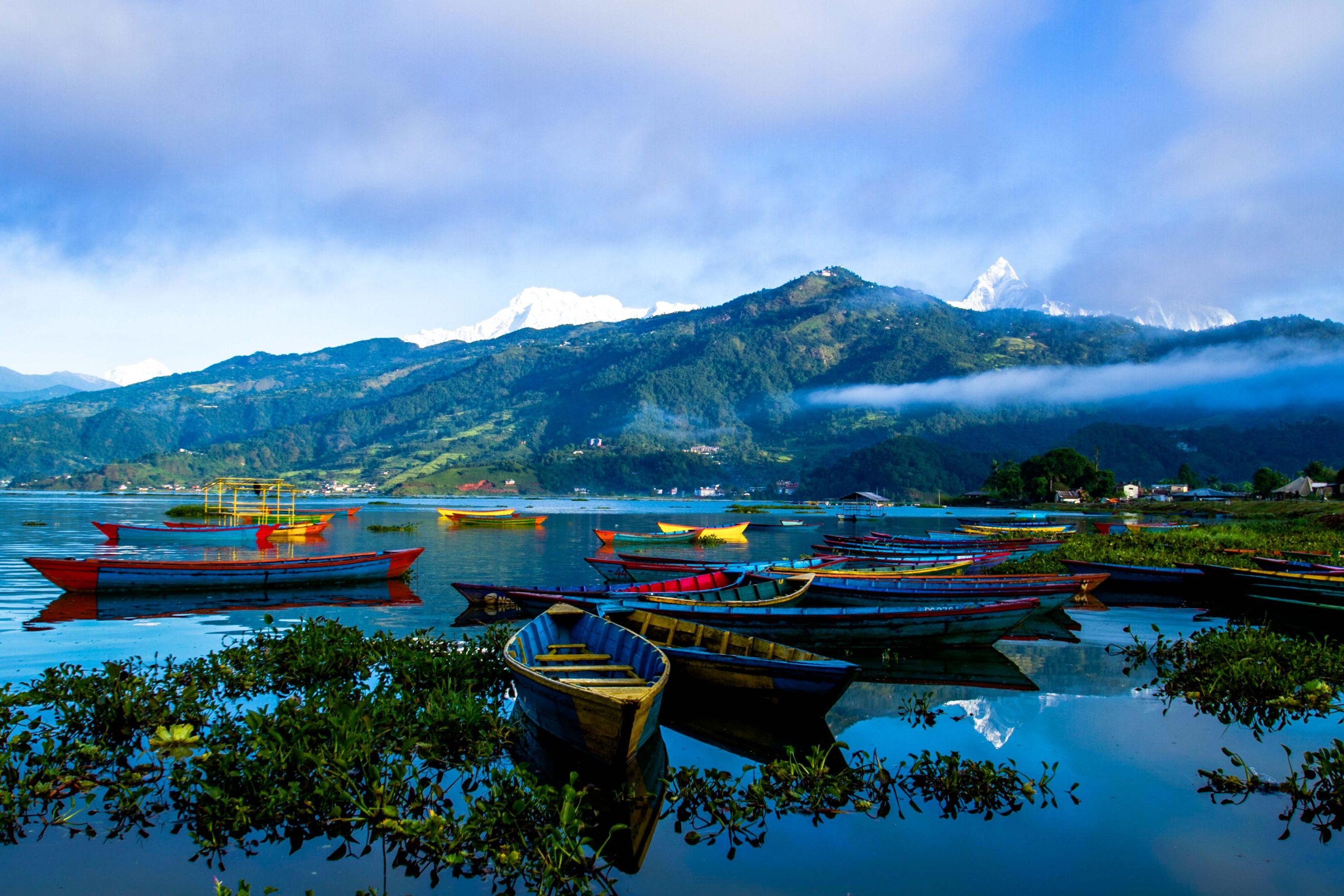
September 18, 2026
Ultimate Pokhara Travel Guide: Top Things to Do in Nepal’s Adventure Capital
Blog Read Time This post has 864 words .This post has 5431 characters.This post take 5 minute to read....
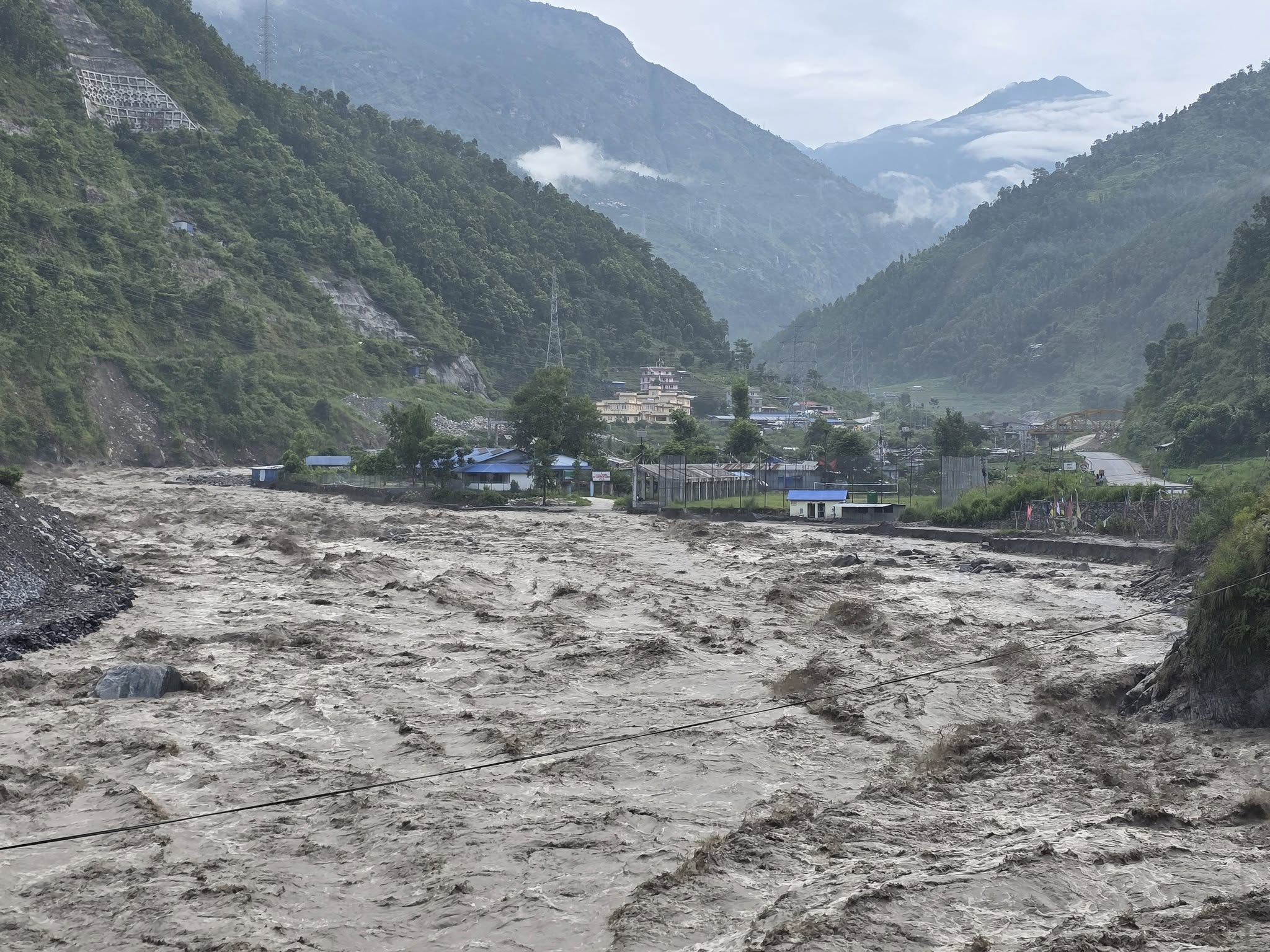
August 26, 2026
Travel Alert: Langtang Trekking Area – Syabrubesi Route Flooded
Blog Read Time This post has 610 words .This post has 4008 characters.This post take 3 minute to read....
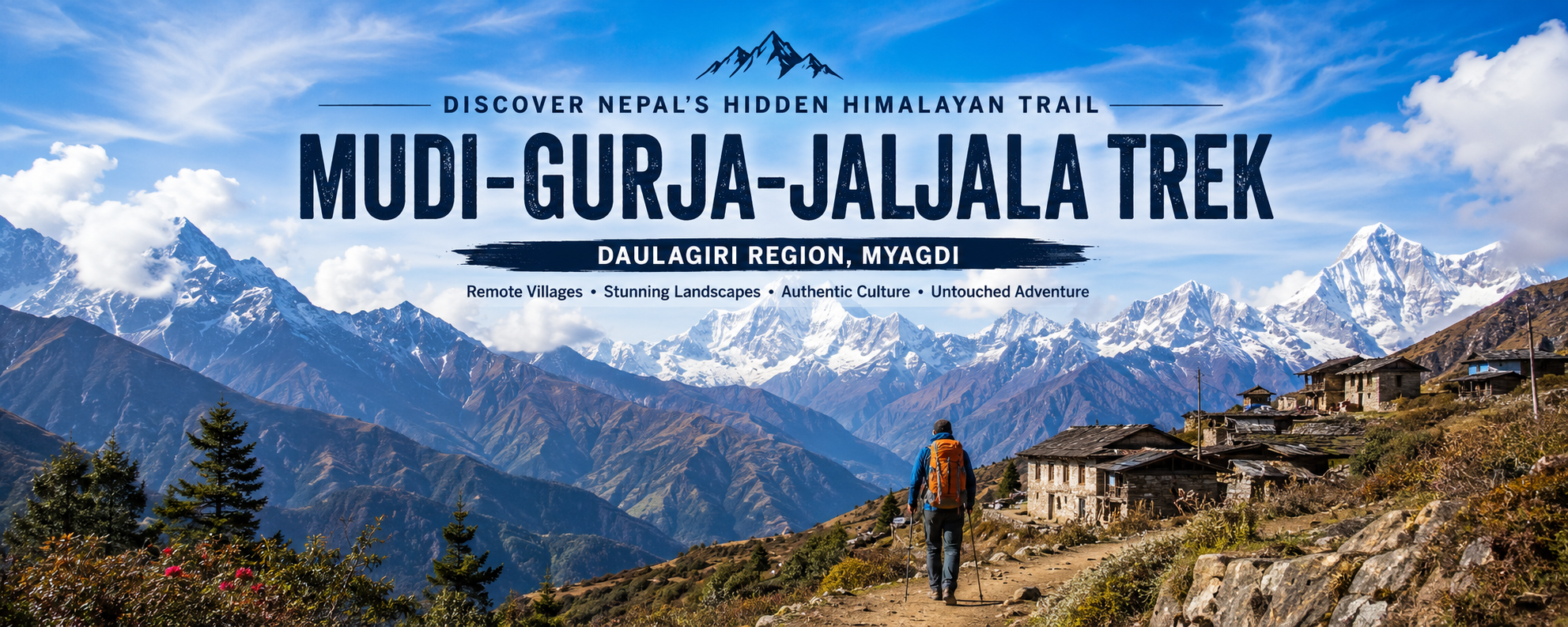
July 14, 2026
Mudi–Gurja–Jaljala Trek: Discover Nepal’s Hidden Himalayan Trail in the Dhaulagiri Region
Blog Read Time This post has 789 words .This post has 5548 characters.This post take 5 minute to read....
June 26, 2026
Gidi Lake: Jumla’s Hidden Alpine Jewel in the Heart of Karnali
Blog Read Time This post has 408 words .This post has 2790 characters.This post take 2 minute to read....
June 13, 2026
Api Himal Base Camp Trek 2026 – Complete Guide to Nepal’s Secret 7,132m Mountain
Blog Read Time This post has 965 words .This post has 6535 characters.This post take 5 minute to read....

May 11, 2026
Visit Nepal 2085: Your Ultimate Guide to Nepal’s Grand Tourism Renaissance
Blog Read Time This post has 835 words .This post has 5986 characters.This post take 4 minute to read....
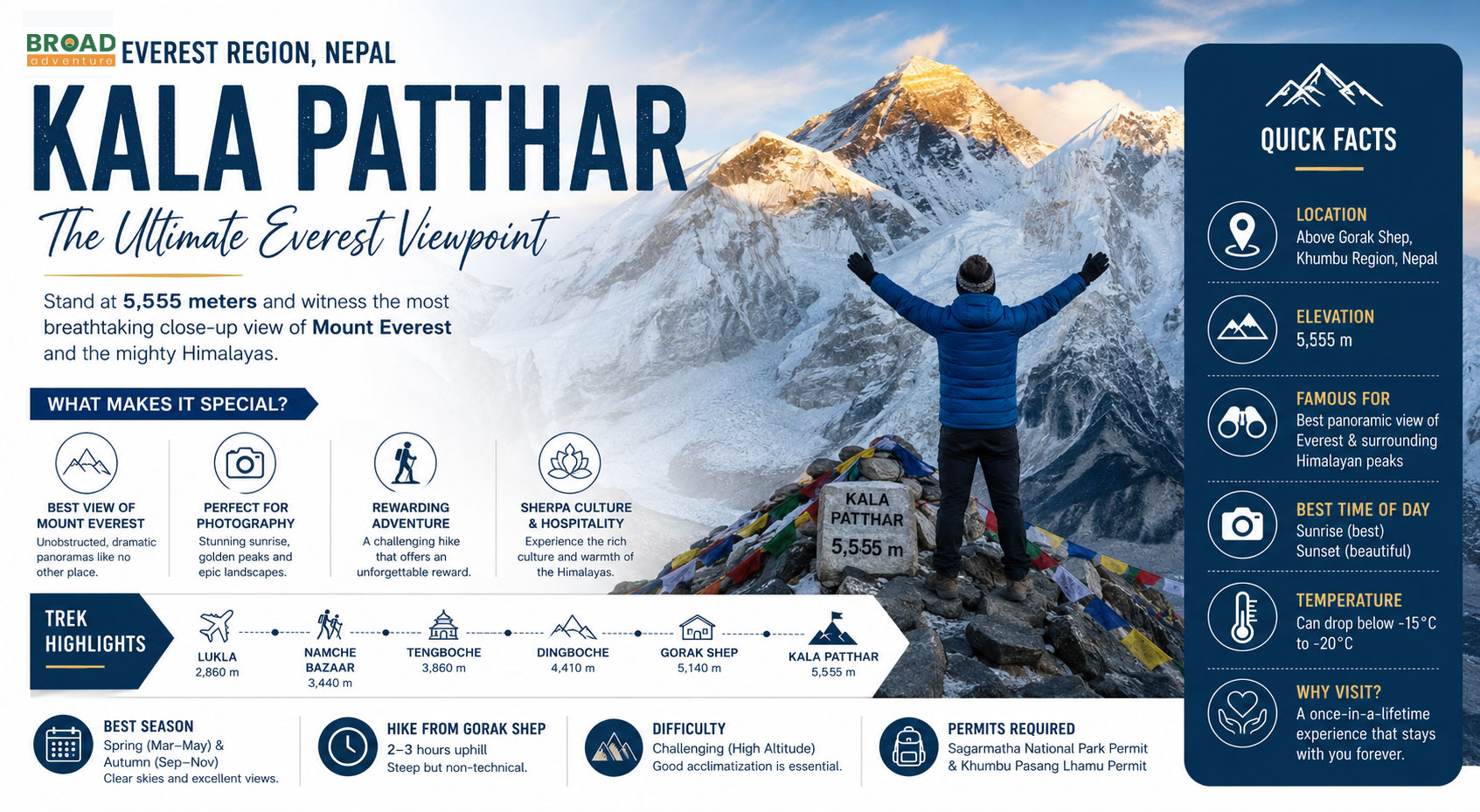
May 08, 2026
Kala Patthar – The Ultimate Everest Viewpoint in Nepal
Blog Read Time This post has 1004 words .This post has 6823 characters.This post take 6 minute to read....
May 05, 2026
Kayzo Ri Peak Climbing (6,186m): The Ultimate Guide to a Hidden Himalayan Expedition
Blog Read Time This post has 1554 words .This post has 10057 characters.This post take 8 minute to read....
March 23, 2026
Nepal Allows Solo Permits for Restricted Area Trekking
Blog Read Time This post has 791 words .This post has 5416 characters.This post take 5 minute to read....
