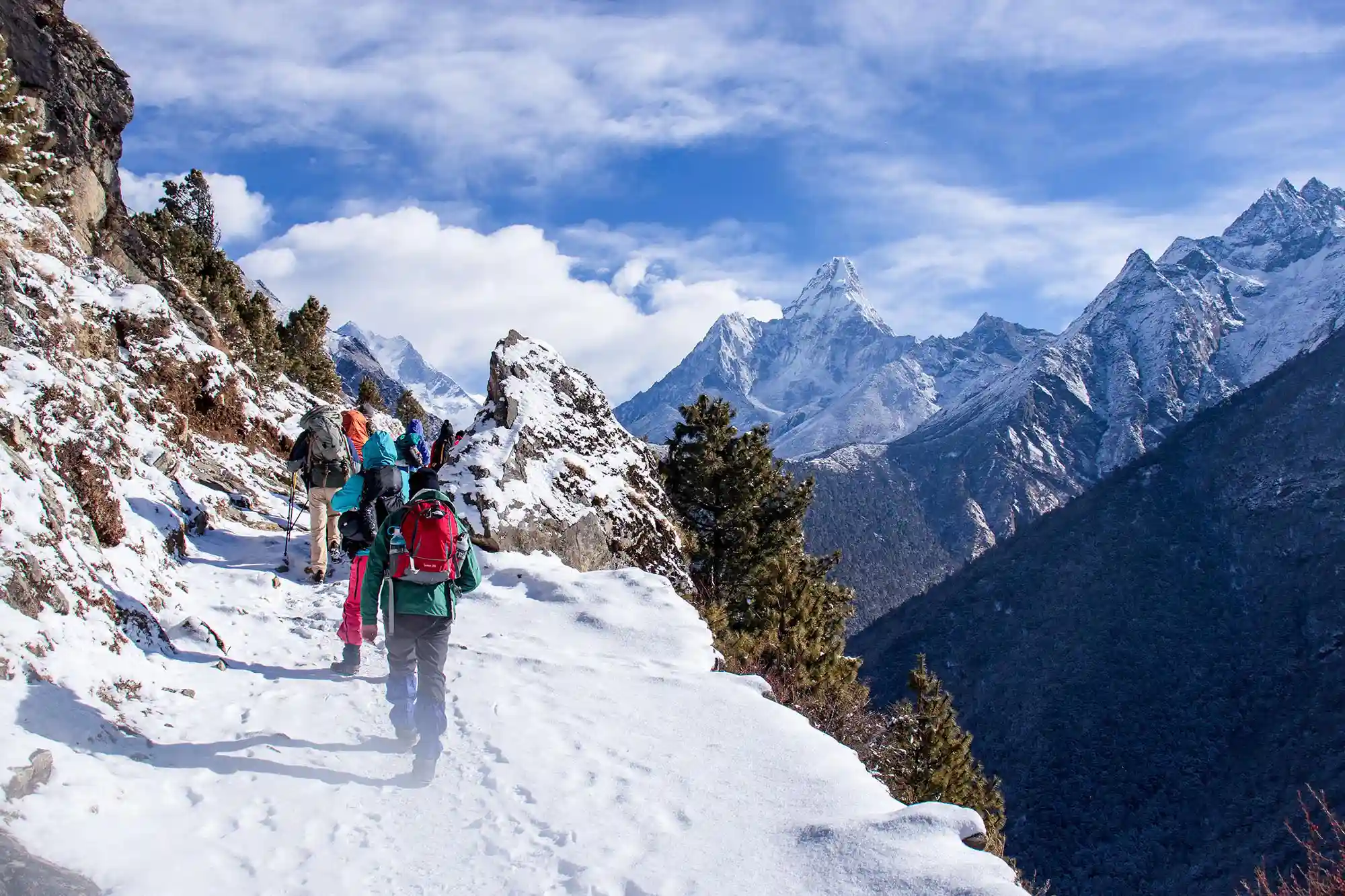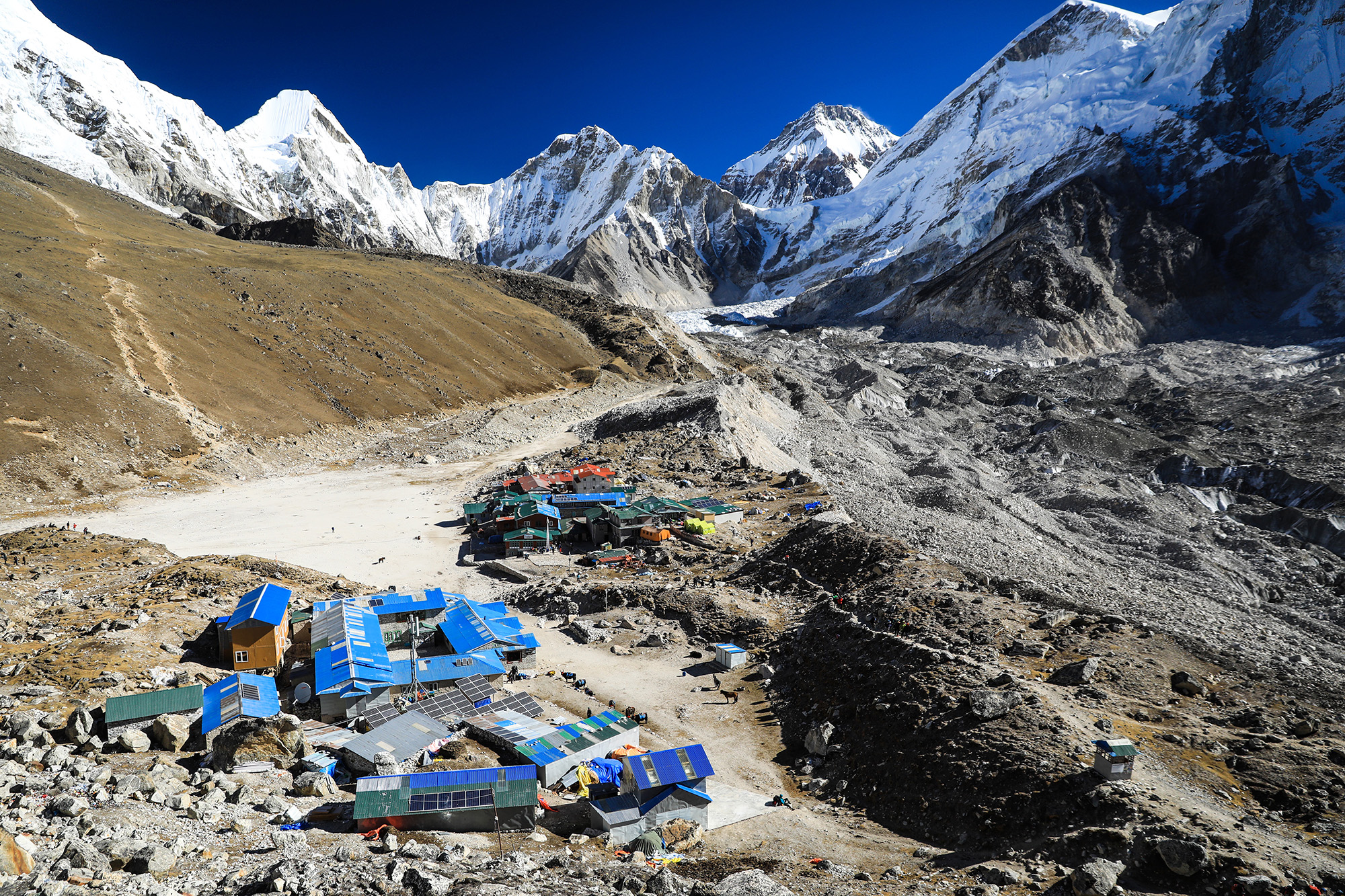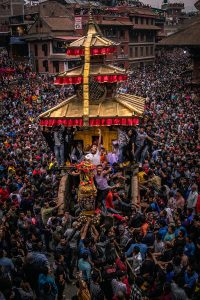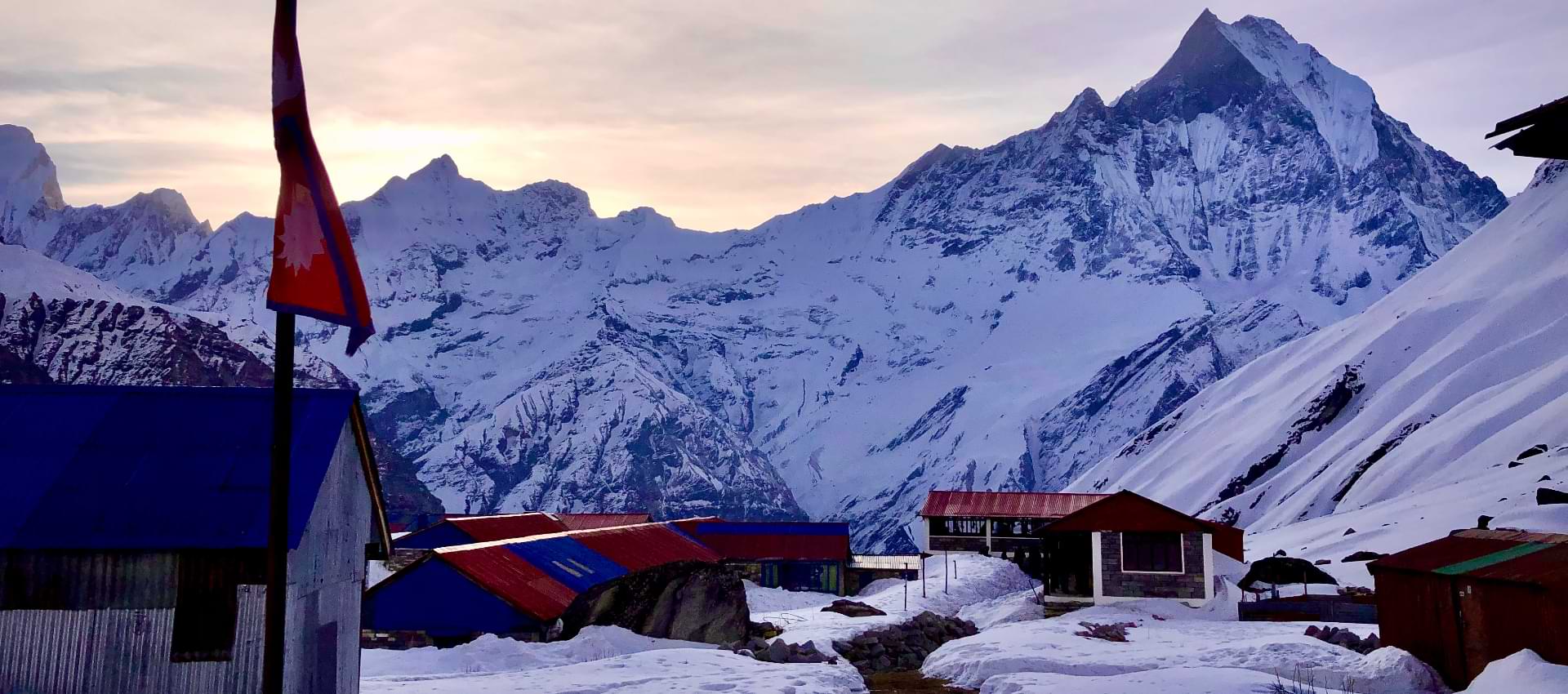
Nepal is synonymous with trekking — home to eight of the world’s highest peaks and a tapestry of diverse cultures. But not every traveler has weeks to spare for a long expedition like Everest Base Camp or Annapurna Circuit.
The good news? Some of Nepal’s most breathtaking trails can be completed in 5 to 7 days, without compromising on mountain views, cultural encounters, or that pure Himalayan adventure spirit.
Here are the top 7 treks in Nepal you can actually complete in a week, handpicked for accessibility, beauty, and unforgettable experience.
1. Ghorepani Poon Hill Trek (4–5 Days)
Region: Annapurna
Start/End: Nayapul – Ghandruk/Pokhara
Max Elevation: 3,210 m (Poon Hill)
Difficulty: Easy to Moderate
Overview
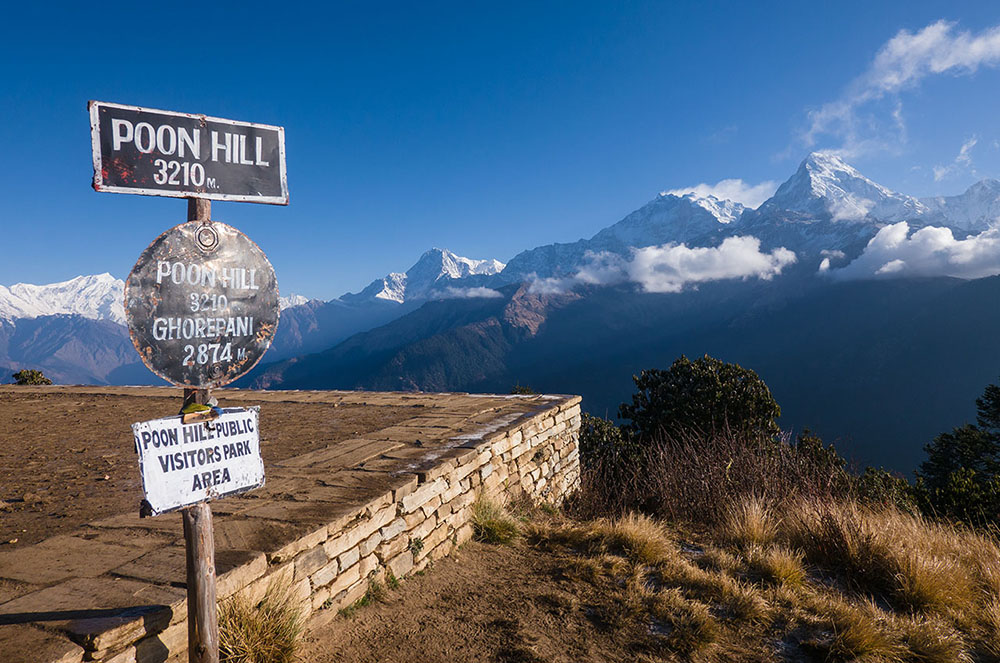
The Poon Hill Trek is often called the “mini Annapurna Circuit” — short, easy, and incredibly scenic. Starting from Nayapul, the trail winds through terraced fields, rhododendron forests, and traditional Gurung and Magar villages like Ulleri and Ghorepani.
At dawn, trekkers climb to Poon Hill Viewpoint, where the first rays of sun strike Annapurna, Dhaulagiri, and Machapuchare (Fishtail) — an unforgettable Himalayan panorama.
Highlights
- Mesmerizing sunrise over the Annapurna & Dhaulagiri ranges
- Cozy teahouses and warm local hospitality
- Easily accessible from Pokhara, no domestic flight needed
Ideal For: First-time trekkers, families, or short holiday travelers
Best Season: October–December, March–May
2. Langtang Valley Trek (6–7 Days)
Region: Langtang National Park
Start/End: Syabrubesi
Max Elevation: 4,773 m (Kyanjin Ri)
Difficulty: Moderate
Overview
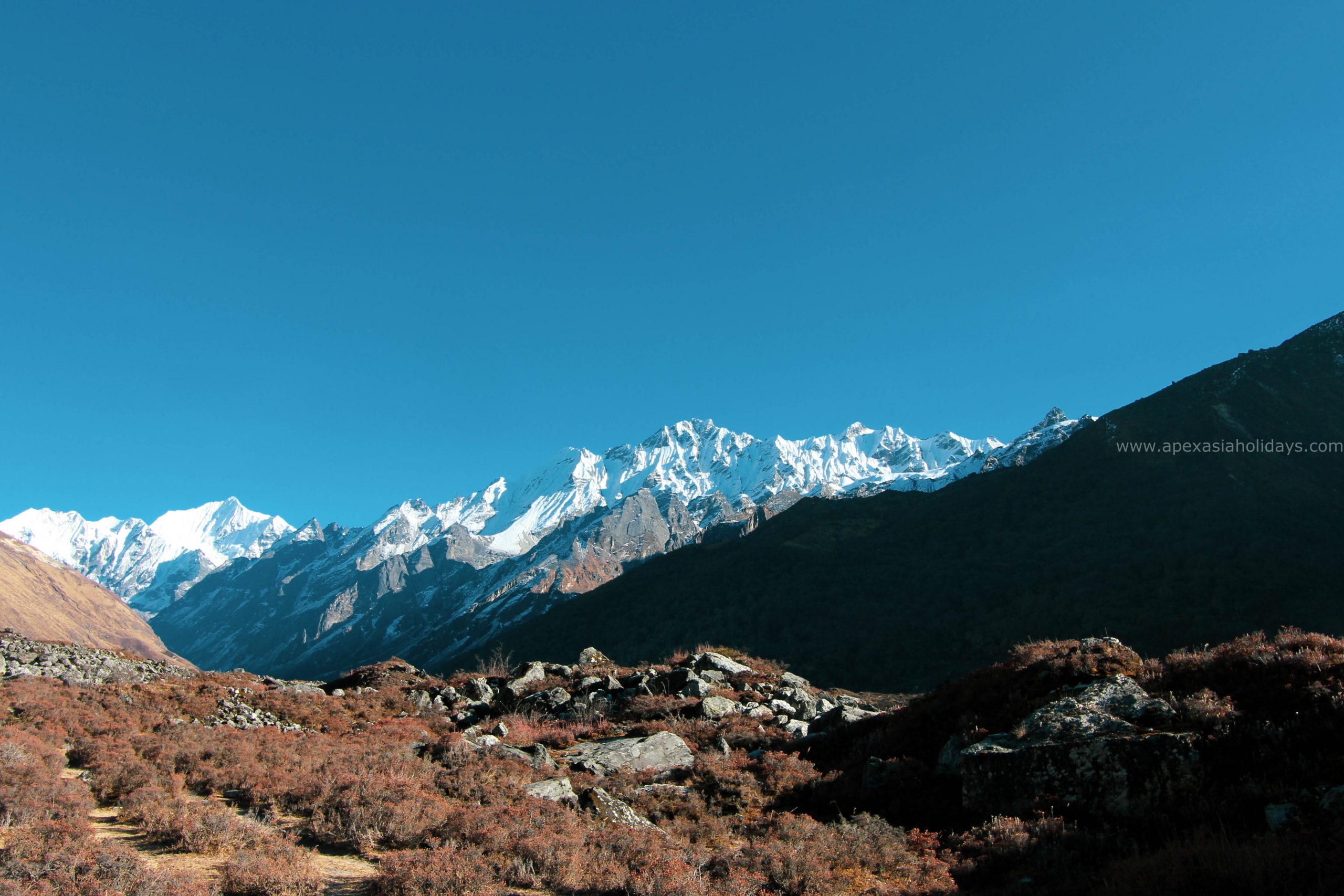
Just a 6–7-hour drive from Kathmandu, the Langtang Valley Trek offers a Himalayan experience without long travel days. Known as the “Valley of Glaciers”, the route follows the Langtang River through bamboo forests, yak pastures, and Tamang villages before reaching Kyanjin Gompa.
Trekkers often hike up Kyanjin Ri or Tserko Ri for jaw-dropping 360° views of Langtang Lirung and the surrounding snow peaks.
Highlights
- Quick access from Kathmandu (no flight needed)
- Explore Tamang & Tibetan Buddhist culture
- Scenic climbs to glacial viewpoints
- Perfect balance of nature, culture, and challenge
Ideal For: Intermediate trekkers seeking offbeat beauty close to Kathmandu
Best Season: Spring and Autumn
3. Mardi Himal Trek (5–6 Days)
Region: Annapurna
Start/End: Kande or Dhampus – Siding
Max Elevation: 4,500 m (Mardi Himal Base Camp)
Difficulty: Moderate
Overview
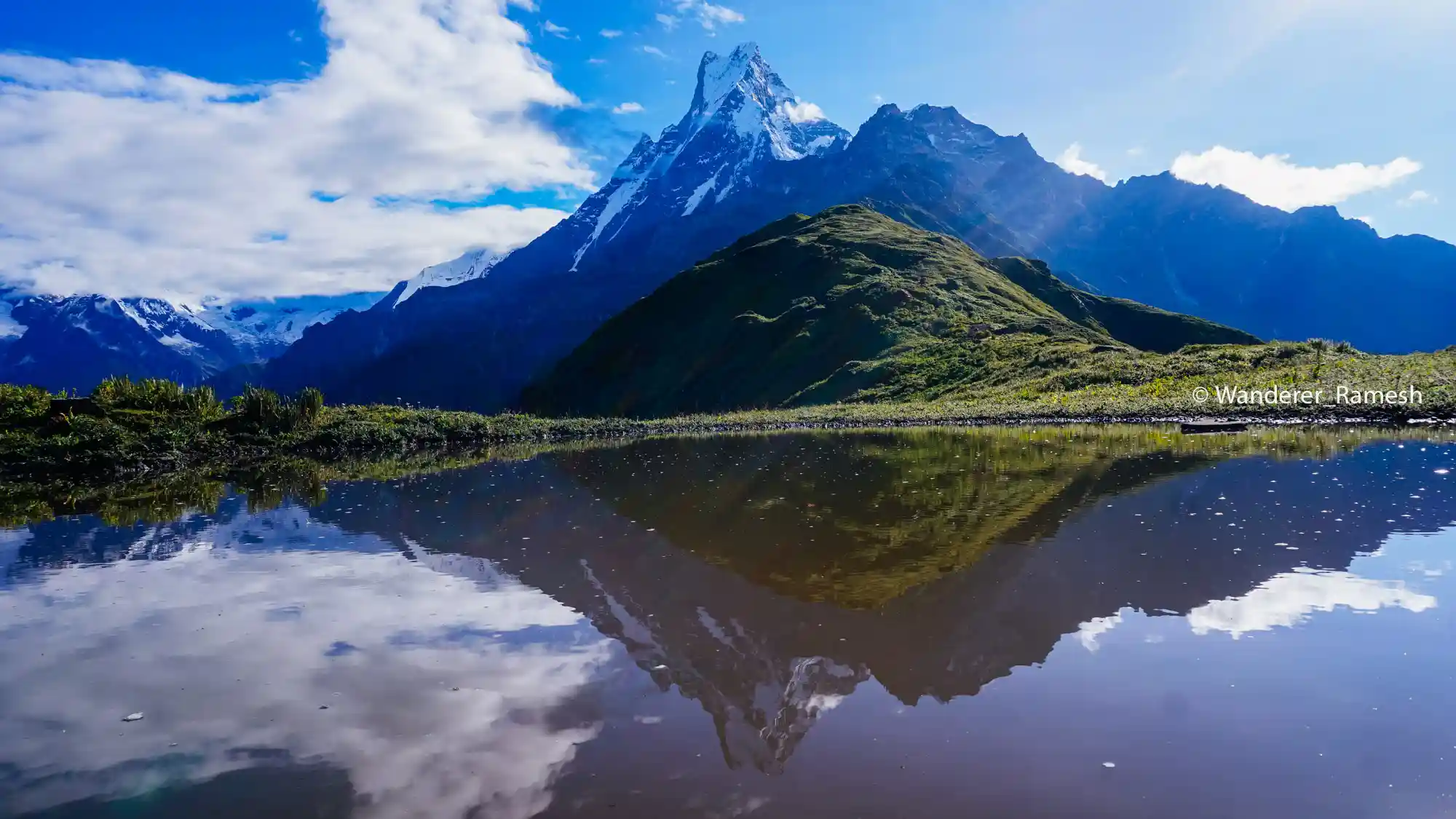
Hidden just east of the popular Annapurna Base Camp trail, the Mardi Himal Trek is a peaceful alternative that has gained fame for its stunning ridge walks and close-up views of Machapuchare (Fishtail).
The route begins from Kande or Dhampus, climbing gradually through Pothana, Forest Camp, and High Camp before reaching the Mardi Himal Base Camp, perched dramatically beneath the peaks.
Highlights
- Intimate, uncrowded experience with panoramic mountain views
- Perfect combination of forest trails and alpine ridges
- Beautiful sunrise from High Camp overlooking Annapurna South
Ideal For: Trekkers who want solitude and big scenery in short time
Best Season: September–November, March–May
4. Gosaikunda Lake Trek (5–6 Days)
Region: Langtang
Start/End: Dhunche or Sundarijal
Max Elevation: 4,380 m (Gosaikunda Lake)
Difficulty: Moderate
Overview
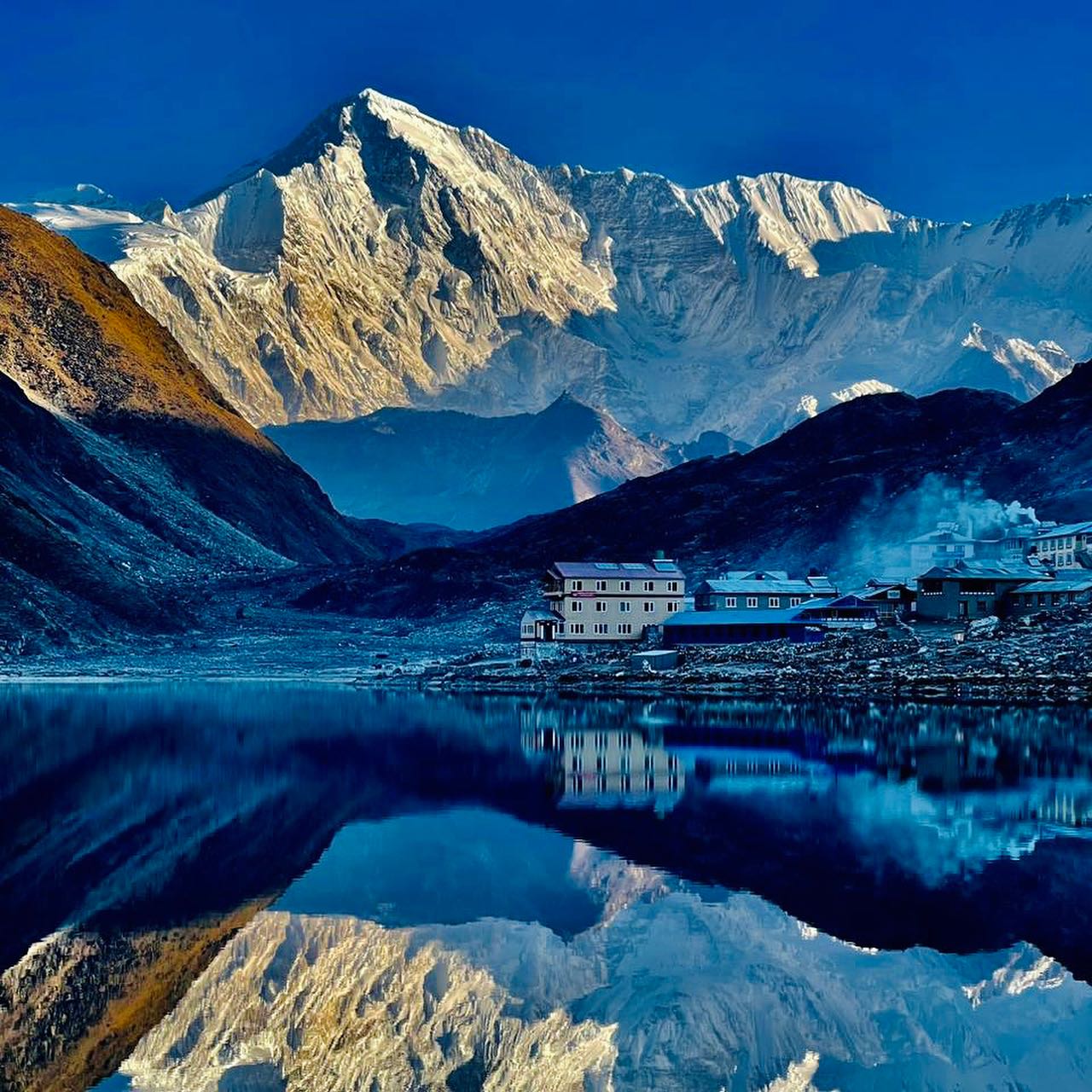
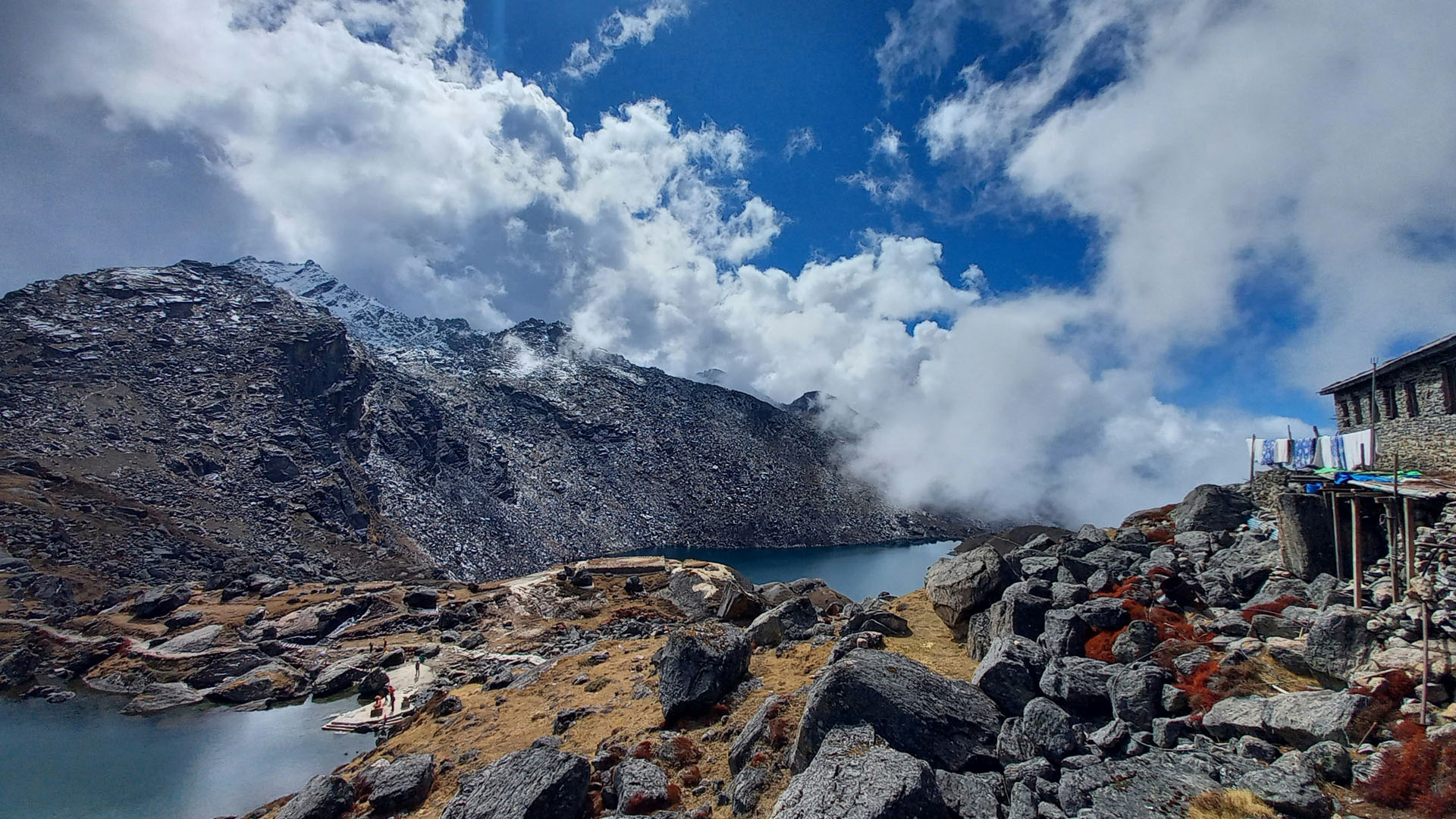
Gosaikunda Lake, perched high in the Langtang Himal, is one of Nepal’s most sacred lakes. The trek blends natural beauty with deep spirituality — the turquoise lake is believed to have been created by Lord Shiva himself.
The trail ascends through oak and pine forests, Tamang villages, and alpine meadows before revealing the shimmering blue waters of Gosaikunda surrounded by snow-capped peaks.
Highlights
- Sacred alpine lake revered by Hindus and Buddhists
- Stunning views of Langtang Lirung and Ganesh Himal
- Cultural encounters in Tamang villages
- Optional connection to Helambu route
Ideal For: Adventurous trekkers seeking spiritual and scenic depth
Best Season: March–May, September–November
5. Helambu Trek (5–6 Days)
Region: Langtang
Start/End: Sundarijal – Melamchi Pul Bazaar
Max Elevation: 3,650 m
Difficulty: Easy
Overview
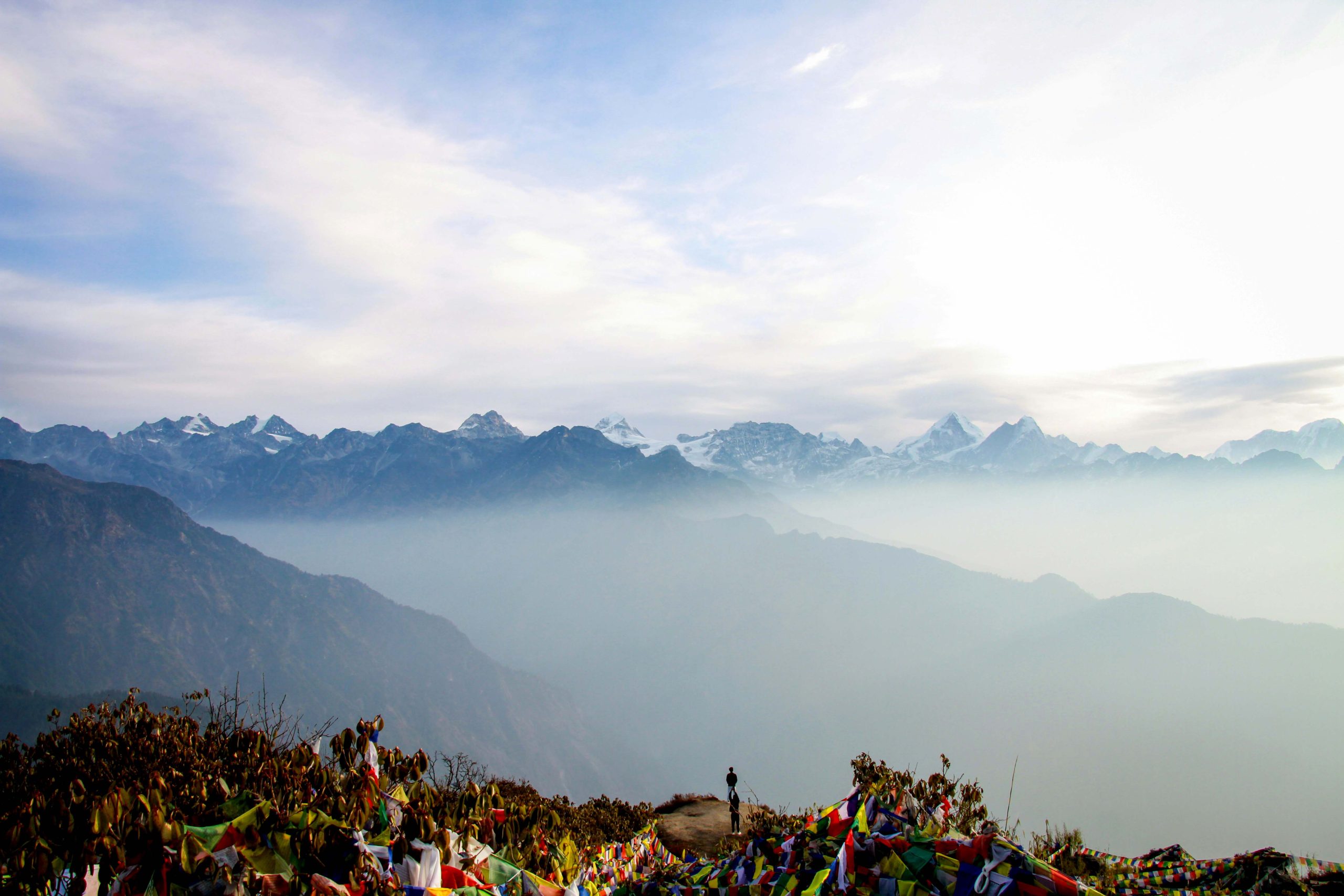
Located just north of Kathmandu, the Helambu Trek is an excellent short trek for those seeking culture, easy walking days, and green landscapes.
The route passes through Shivapuri National Park, charming Sherpa and Tamang villages, and ancient monasteries surrounded by rhododendrons. It’s a relatively low-altitude trek, meaning no major acclimatization needed.
Highlights
- Close proximity to Kathmandu (1-hour drive to start)
- Explore Sherpa culture and Buddhist monasteries
- Gentle gradients and pleasant trails
- Great teahouse accommodation options
Ideal For: Beginners, families, and cultural travelers
Best Season: Year-round except monsoon (June–August)
6. Dhampus – Australian Camp Trek (2–3 Days)
Region: Annapurna
Start/End: Phedi – Kande
Max Elevation: 2,100 m
Difficulty: Easy
Overview
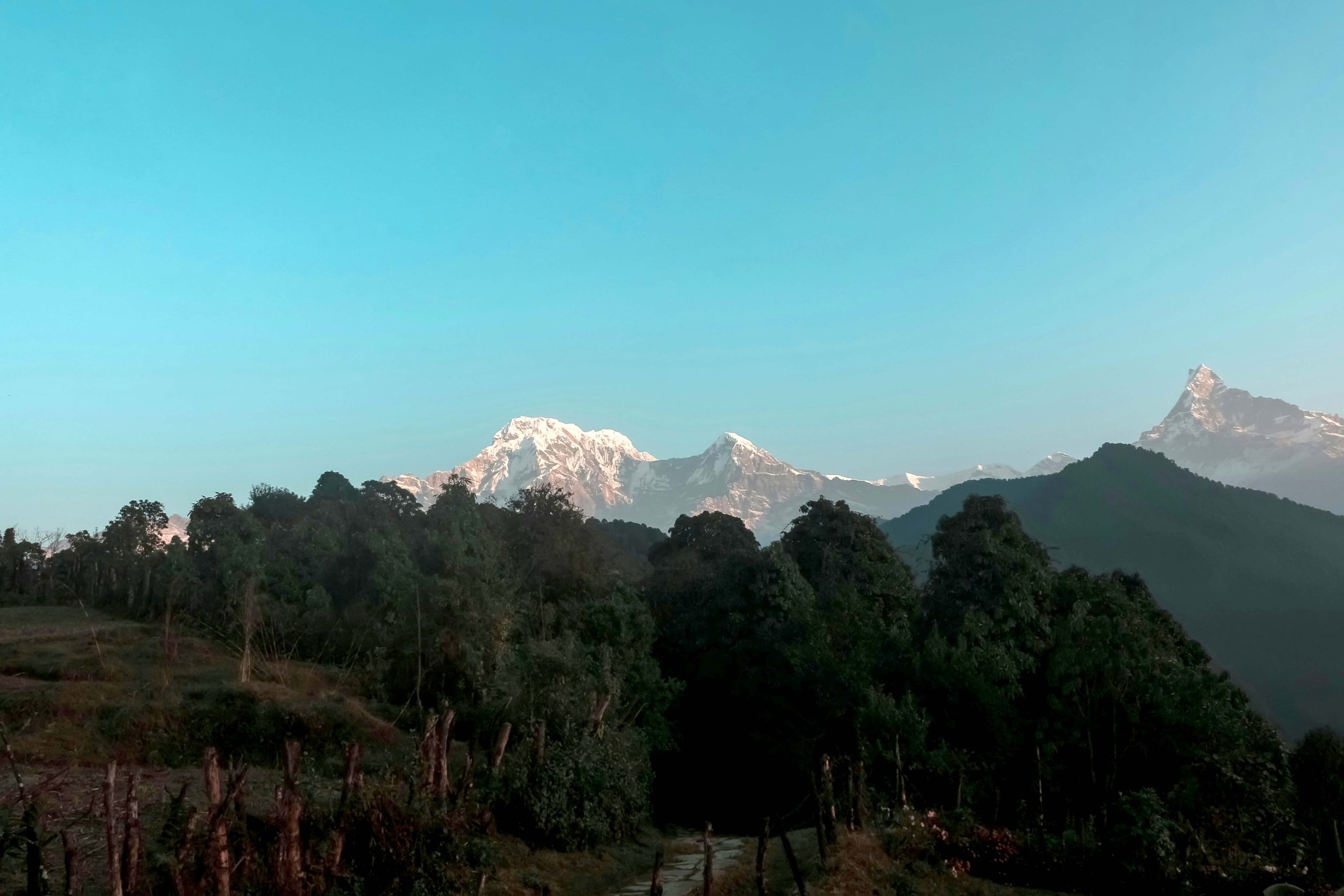
This short trek is perfect for travelers staying in Pokhara who want a taste of mountain trekking without days of walking. In just two to three days, you’ll experience Himalayan sunsets, picturesque villages, and the panoramic ridges of the Annapurna range.
From Phedi, a short climb leads to Dhampus Village, followed by an easy walk to Australian Camp, one of the best viewpoints in lower Annapurna.
Highlights
- 360° views of Annapurna, Dhaulagiri, and Machapuchare
- Easy trail suitable for all ages
- Excellent for photography and sunrise lovers
Ideal For: Families, beginners, or travelers on tight schedules
Best Season: All year round
7. Everest View Trek (5–7 Days)
Region: Khumbu (Everest Region)
Start/End: Lukla – Namche – Tengboche – Lukla
Max Elevation: 3,870 m (Hotel Everest View)
Difficulty: Moderate
Overview
If seeing Mount Everest is on your bucket list but you’re short on time, the Everest View Trek delivers exactly that — a rewarding Himalayan experience in less than a week.
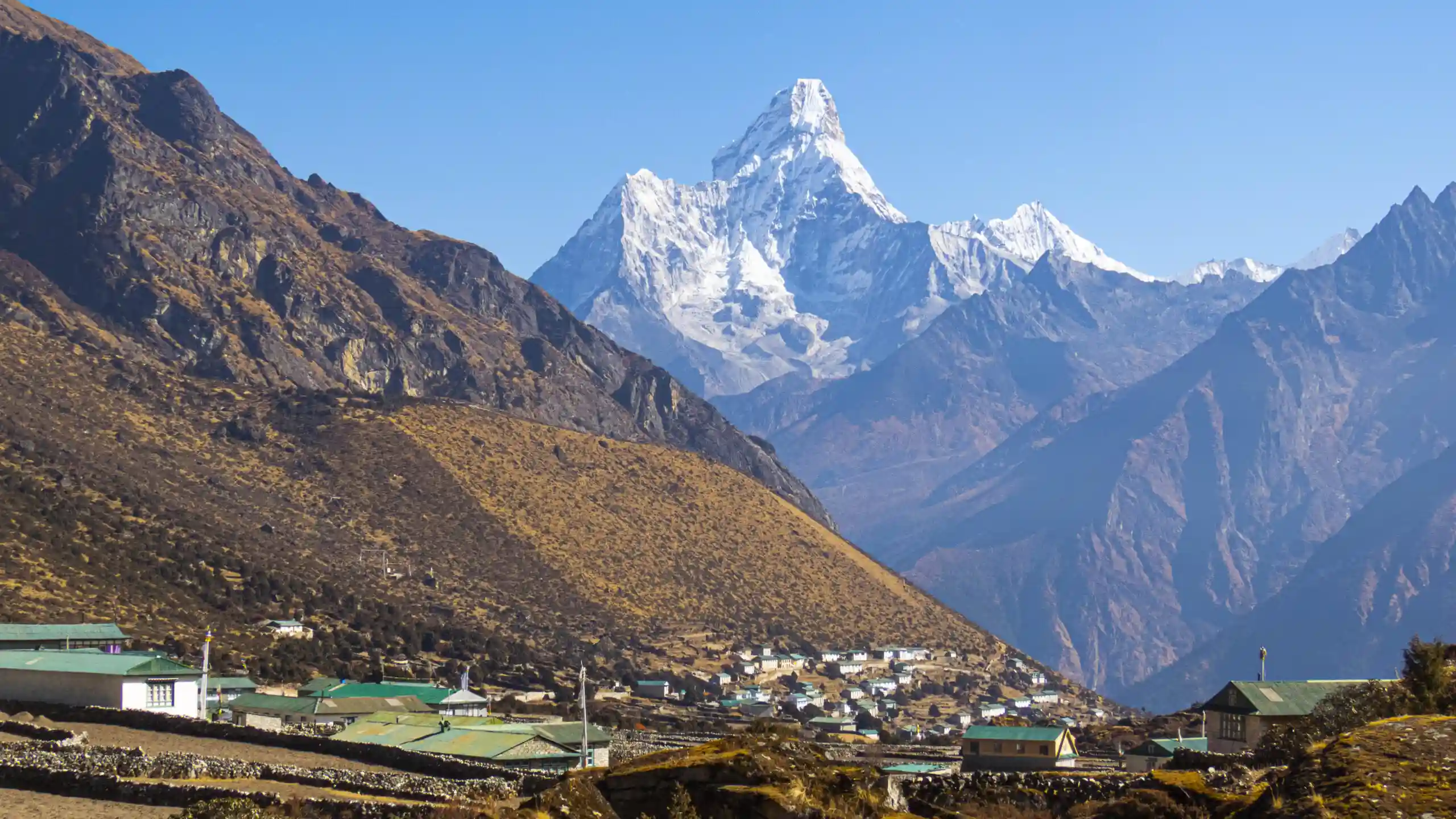
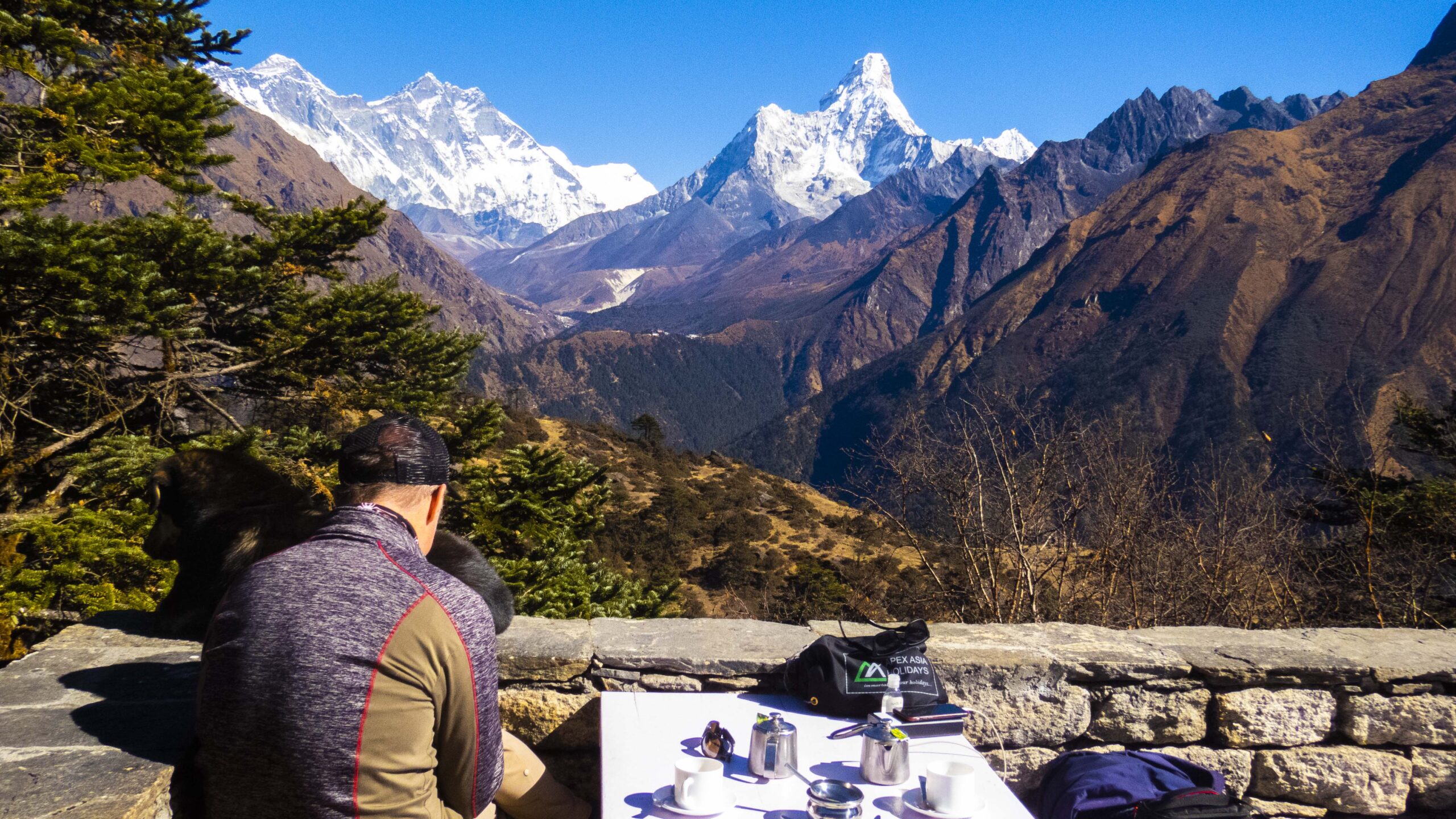
A short flight from Kathmandu takes you to Lukla, from where you trek through suspension bridges, pine forests, and Sherpa villages to Namche Bazaar — the gateway to Everest. From the Hotel Everest View or Tengboche Monastery, you’ll witness stunning vistas of Everest, Lhotse, and Ama Dablam.
Highlights
- Panoramic views of Mount Everest and surrounding peaks
- Experience Sherpa culture and monasteries
- Perfect short version of Everest Base Camp Trek
- Scenic flight to Lukla
Ideal For: Adventurous travelers wanting Everest views without long expedition
Best Season: October–December, March–May
Best Time for Short Treks in Nepal
| Season | Months | Highlights |
|---|---|---|
| Autumn | Oct–Dec | Clear skies, pleasant temperatures, ideal for photography |
| Spring | Mar–May | Rhododendrons bloom, green landscapes |
| Winter | Jan–Feb | Cold mornings, fewer crowds |
| Monsoon | Jun–Aug | Lush scenery but muddy trails & limited visibility |
Essential Tips for a 1-Week Trek in Nepal
- Hire a licensed guide or porter for local insights and safety.
- Obtain TIMS and National Park Permits in Kathmandu or Pokhara.
- Pack light but smart: layers, down jacket, trekking poles, headlamp, reusable bottle.
- Stay hydrated and ascend gradually to avoid altitude sickness.
- Respect local customs — a “Namaste” goes a long way.
Final Thoughts
Nepal is not just for hardcore mountaineers — it’s for anyone who dreams of walking amidst the Himalayas, even with just a week in hand. From the iconic sunrise of Poon Hill to the tranquil spirituality of Gosaikunda and the mighty Everest panorama, these short treks deliver the essence of Nepal in compact, unforgettable adventures.
Whether you’re a first-time visitor or a seasoned traveler, these 7 treks prove that the magic of Nepal fits perfectly into one adventurous week.