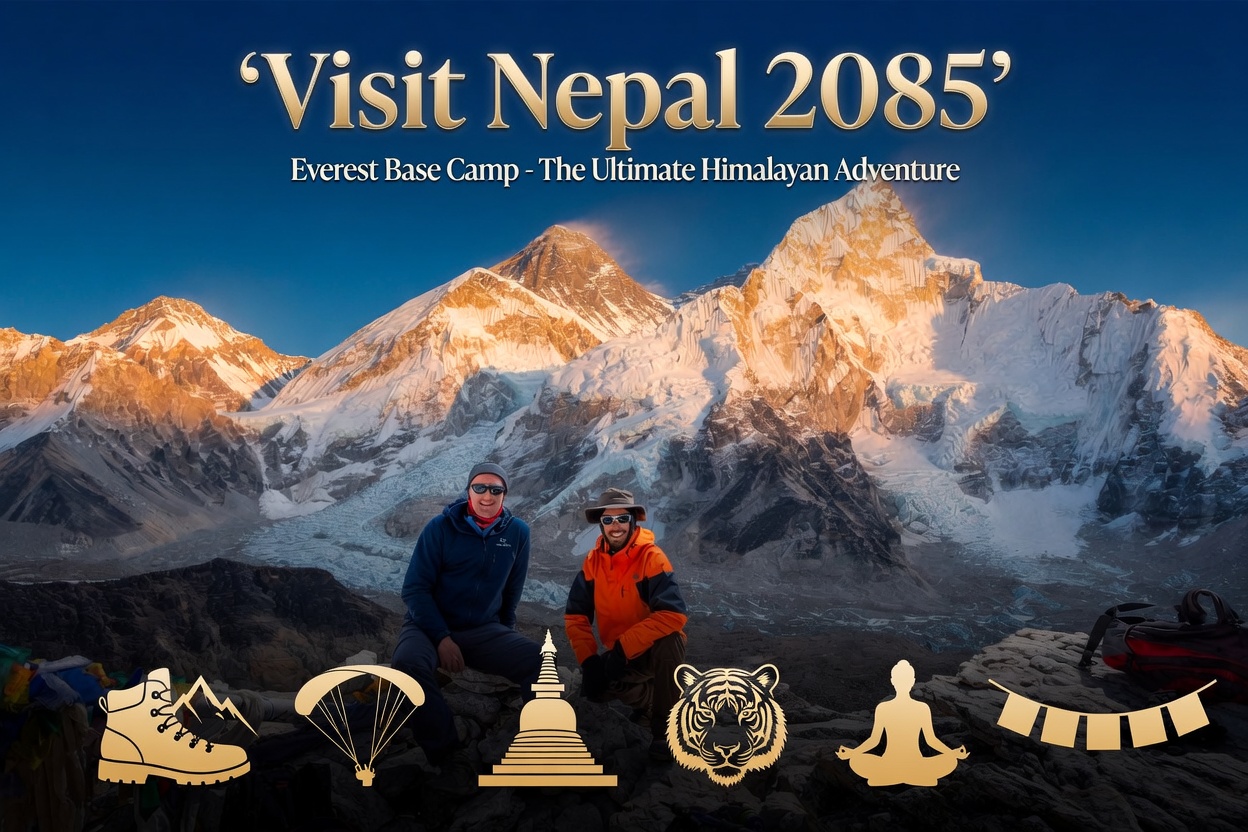
Visit Nepal 2085: Your Ultimate Guide to Nepal’s Grand Tourism Renaissance

Nepal is calling you!

The Government of Nepal has officially declared Visit Nepal 2085, a landmark national tourism campaign that promises to be the biggest and most exciting yet. Aligned with the country’s development goals, this initiative aims to welcome 2.5 million international visitors, increase daily spending, and showcase Nepal as one of the world’s premier adventure and cultural destinations.

Whether you’re a passionate trekker, a peak climber, a wildlife lover, or a spiritual seeker, Visit Nepal 2085 is the perfect time to experience the magic of the Himalayas.

Why Visit Nepal in 2085?

  • Significantly improved trekking trails and infrastructure
  • Better connectivity through new airports and roads
  • Focus on sustainable and responsible tourism
  • Special events, festivals, and tourism packages
  • Enhanced safety, rescue services, and hospitality standards

Best Trekking Trails in Nepal for 2085

Nepal is home to some of the finest trekking routes on the planet. Here are the most popular and rewarding trails:

  • Everest Base Camp Trek — The world’s most iconic trek with stunning views of the highest peaks and rich Sherpa culture.
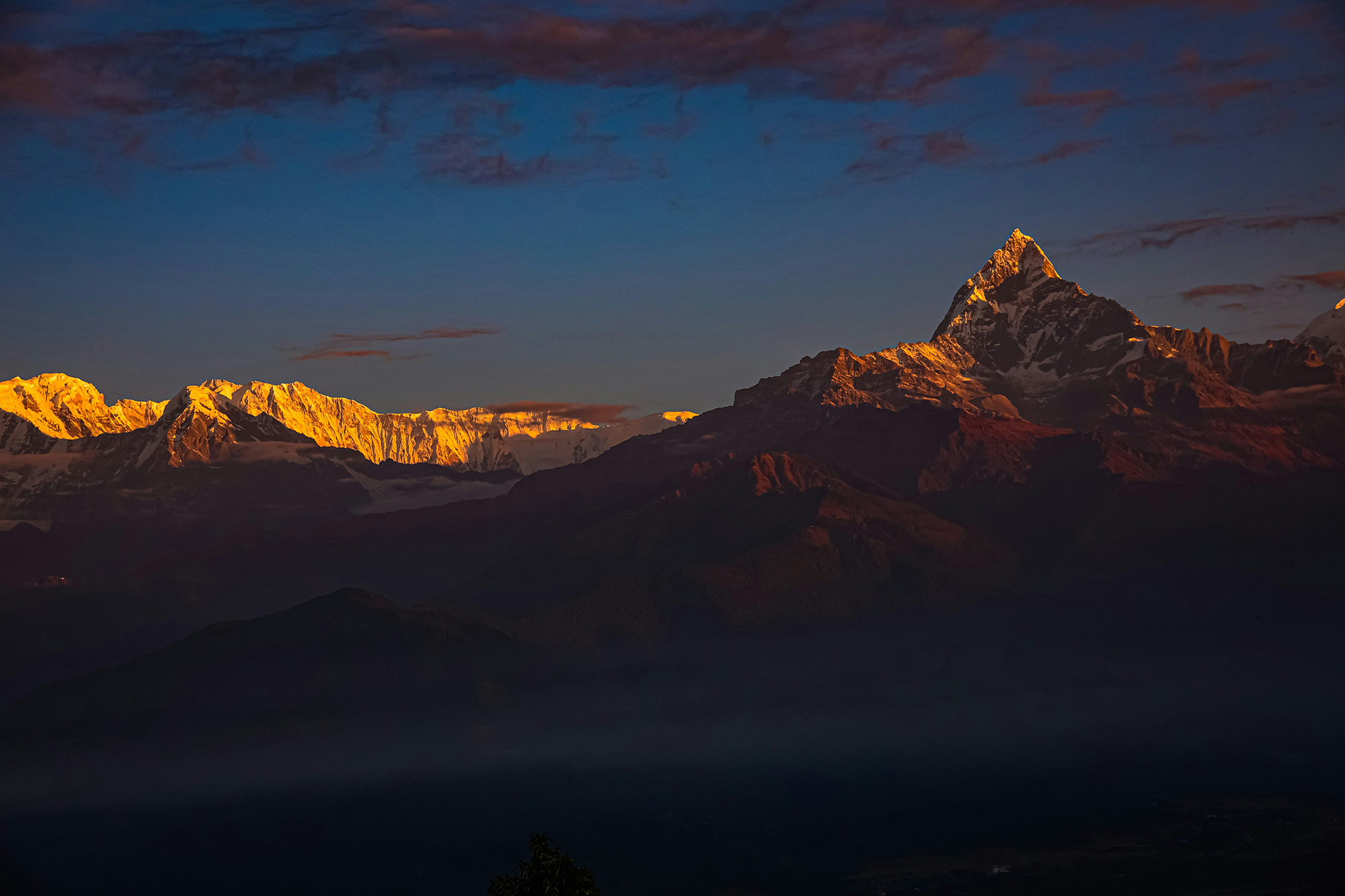
  • Annapurna Circuit & Base Camp — Diverse landscapes, Thorong La Pass (5,416m), and breathtaking mountain scenery.
  • Manaslu Circuit — Remote, pristine, and culturally immersive.
  • Langtang Valley Trek — Rhododendron forests, glaciers, and Tamang hospitality.
  • Upper Mustang Trek — The mystical “Forbidden Kingdom” with Tibetan-style landscapes.
  • Great Himalayan Trail — For serious long-distance adventurers.

Iconic Trekking Peaks in Nepal (Must-Do in 2085)

Trekking Peaks offer the perfect combination of adventure trekking and introductory mountaineering. Here are the best trekking peaks you should consider:

1. Island Peak (Imja Tse) – 6,189m One of the most climbed trekking peaks in the Everest Region. Situated near Chhukung, it provides spectacular close-up views of Everest, Lhotse, Makalu, and Ama Dablam.

  • Difficulty: Moderate (PD grade) with a steep snow slope and sharp summit ridge.
  • Best Season: Spring (Mar–May) & Autumn (Sep–Nov)
  • Duration: 18–20 days (combined with EBC Trek)
  • Highlight: Excellent first 6,000m peak experience.

2. Mera Peak – 6,476m The highest trekking peak in Nepal, located in the remote Hinku Valley.

  • Difficulty: Moderate with long glacier walks and a final steep climb.
  • Best Season: Spring & Autumn
  • Duration: 18–21 days
  • Highlight: Breathtaking 360° summit panorama including five of the world’s highest mountains — Everest, Lhotse, Cho Oyu, Makalu, and Kanchenjunga.

3. Lobuche East – 6,119m (Lobuche West – 6,145m) Located right beside the Everest Base Camp trail.

  • Difficulty: Moderate to demanding with snow, ice, and rock sections.
  • Best Season: Spring & Autumn
  • Duration: 16–20 days
  • Highlight: Dramatic views of Everest and surrounding peaks with easy access from the classic EBC route.

4. Pisang Peak – 6,091m A beautiful peak above Pisang village on the Annapurna Circuit.

  • Difficulty: Moderate technical climb with exposed snow ridges.
  • Best Season: Spring & Autumn
  • Duration: 18–20 days (with Annapurna Circuit)
  • Highlight: Stunning views of the entire Annapurna and Manaslu ranges.

5. Yala Peak – 5,500m A relatively easier peak in the Langtang Region, perfect for beginners.

  • Difficulty: Easy to moderate (mostly snow walking).
  • Best Season: Spring & Autumn
  • Duration: 12–16 days
  • Highlight: Ideal introduction to Himalayan peak climbing with panoramic views of Langtang Lirung.

6. Kyajo Ri (Kyazo Ri) – 6,186m A hidden gem in the Everest Region near Gokyo Lakes and Renjo La.

  • Difficulty: Moderate to challenging with mixed climbing.
  • Best Season: Spring & Autumn
  • Duration: 16–18 days
  • Highlight: Less crowded with outstanding views of Everest, Cho Oyu, and Gokyo Lakes.

Pro Tip: All these peaks require proper acclimatization, experienced guides, and basic mountaineering gear. Visit Nepal 2085 is expected to bring improved services for peak climbing expeditions.

Other Amazing Activities & Things to Do in Nepal

Adventure Activities

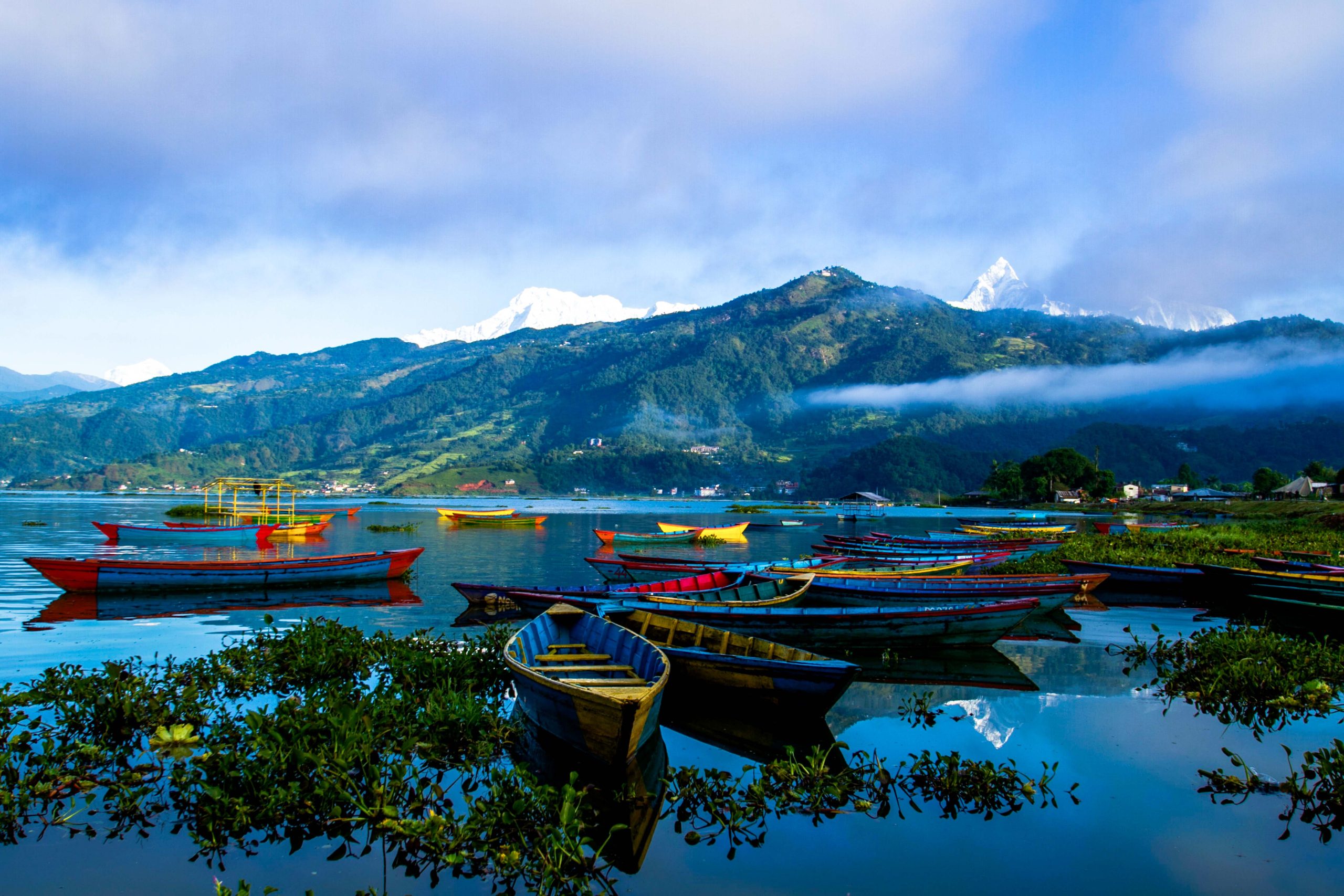
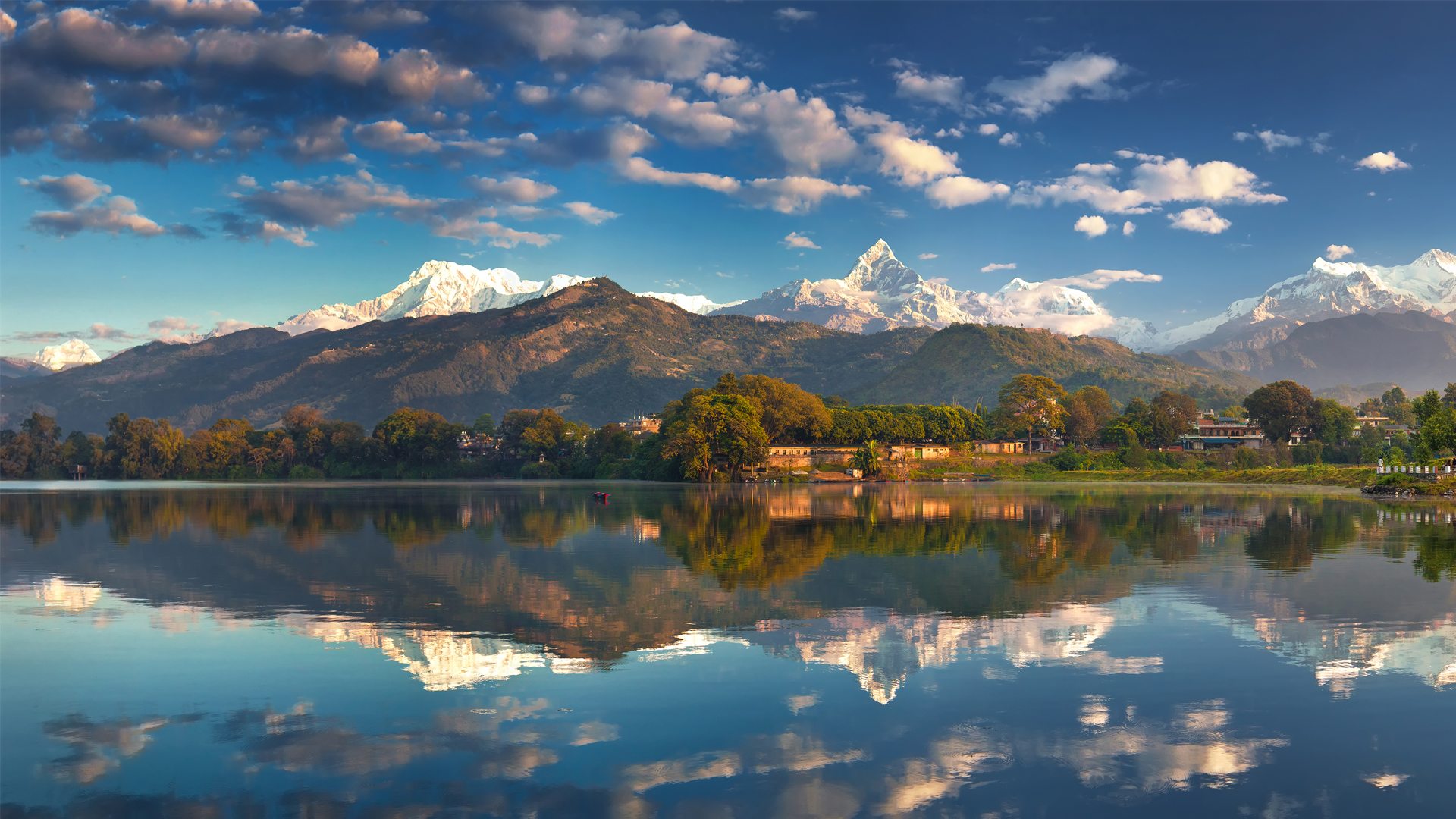
  • Paragliding over Pokhara’s Phewa Lake (one of the best flights in the world)
  • White-water rafting on Bhote Koshi, Trishuli, or Marsyangdi rivers
  • Bungee jumping, zip-lining, and mountain biking
  • Scenic mountain flights and helicopter tours

Cultural & Spiritual Journeys

  • Visit 7 UNESCO World Heritage Sites in Kathmandu Valley
  • Explore Lumbini, the birthplace of Lord Buddha
  • Homestays with local communities (Sherpa, Gurung, Tharu, Newari)
  • Experience colorful festivals like Dashain, Tihar, and Losar

Wildlife & Nature

  • Jungle safari in Chitwan and Bardia National Parks (Bengal tigers, one-horned rhinos, elephants)
  • Birdwatching (over 900 species)
  • Visit serene Rara Lake and Gokyo Lakes

Wellness Tourism

  • Yoga and meditation retreats in the Himalayas
  • Traditional Ayurvedic treatments and spa therapies

Top Must-Visit Destinations for 2085

  • Kathmandu Valley — Culture & heritage
  • Pokhara — Adventure & lakeside relaxation
  • Everest & Annapurna Regions — Mountains & trekking
  • Chitwan & Bardia — Wildlife safaris
  • Lumbini — Spiritual peace
  • Mustang & Dolpo — Off-the-beaten-path adventures

Practical Tips for Your Visit Nepal 2085 Trip

  • Best Time to Visit: Spring (March–May) for rhododendrons and Autumn (September–November) for clear mountain views.
  • Visa: Visa on arrival or e-Visa for most nationalities.
  • How to Get Around: Domestic flights, comfortable tourist buses, and private vehicles.
  • Sustainability: Choose responsible tour operators, minimize plastic use, and respect local customs.

Nepal is ready to welcome you like never before.

Visit Nepal 2085 is not just a tourism campaign — it’s an invitation to create lifelong memories, challenge yourself in the Himalayas, and experience one of the most beautiful and welcoming countries on Earth.

Are you ready for the adventure of a lifetime?

Namaste! See you in Nepal.

Kala Patthar – The Ultimate Everest Viewpoint in Nepal

Standing Face-to-Face with Everest at Kala Patthar

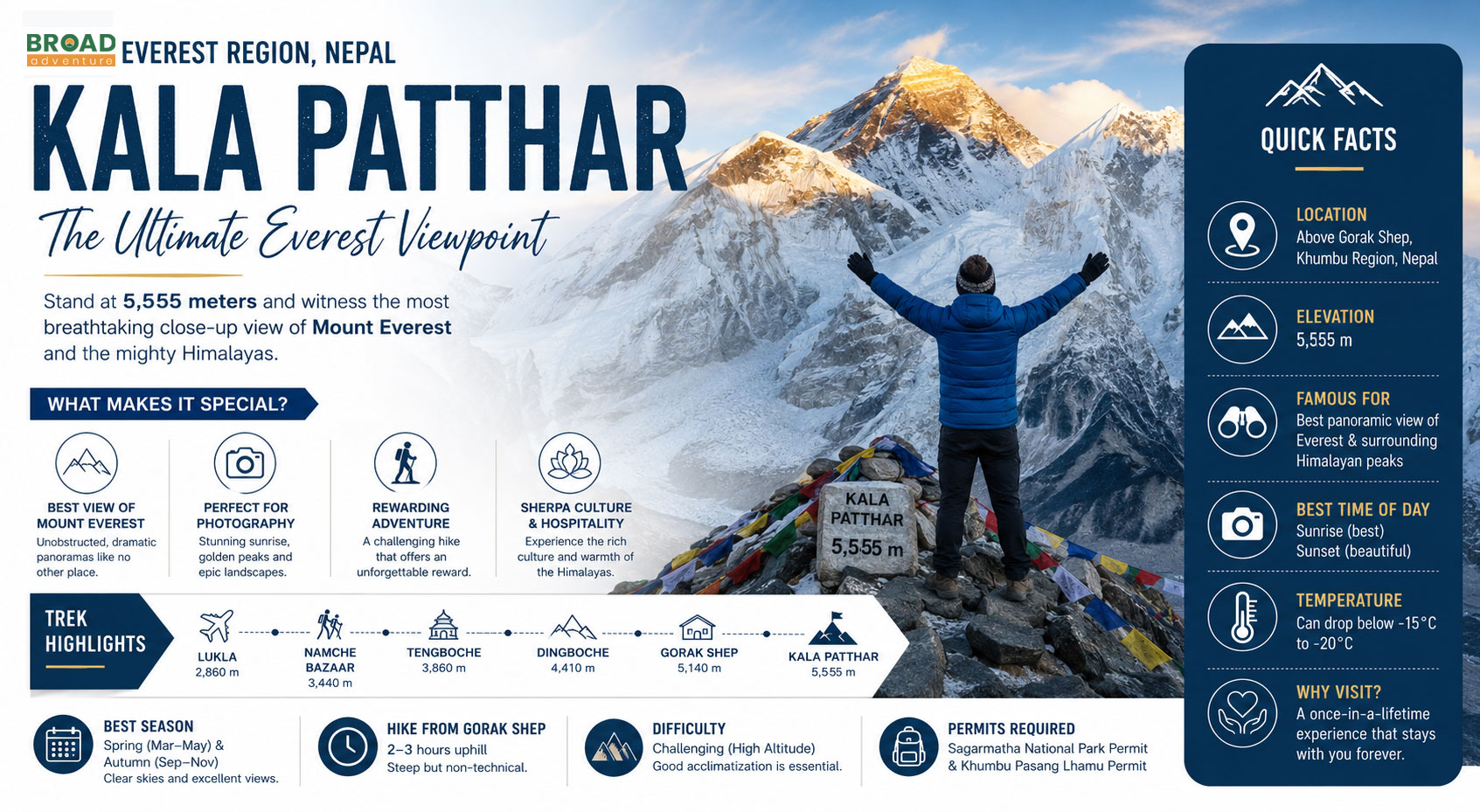
High above the legendary trails of the Everest Region lies one of the most breathtaking viewpoints on Earth — Kala Patthar. Rising to an elevation of 5,545 meters (18,192 feet), this iconic Himalayan vantage point offers the closest and most dramatic panoramic view of Mount Everest without technical climbing.

For trekkers, photographers, adventurers, and mountain dreamers, Kala Patthar is not just another viewpoint — it is the emotional and visual climax of the legendary Everest Base Camp trek.

As the first rays of sunrise illuminate Everest’s icy summit in golden light while prayer flags flutter in the freezing Himalayan wind, trekkers often describe the moment as life-changing.

Why Kala Patthar is Famous

Although thousands of trekkers journey toward Everest Base Camp every year, many are surprised to discover that Everest itself is partially hidden from base camp due to surrounding peaks. Kala Patthar solves that problem.

From its rocky summit ridge, trekkers are rewarded with a jaw-dropping 360-degree Himalayan panorama featuring:

  • Mount Everest
  • Lhotse
  • Nuptse
  • Pumori
  • Ama Dablam
  • Khumbu Glacier

This is the location where many of the world’s most iconic Everest photographs are captured.

The Journey to Kala Patthar

The adventure begins with a thrilling mountain flight to Lukla, gateway to the Everest region. Trekkers then follow ancient Sherpa trails through suspension bridges, pine forests, monasteries, glacier valleys, and traditional Himalayan villages.

Popular trekking stops include:

  • Namche Bazaar
  • Tengboche
  • Dingboche
  • Lobuche
  • Gorak Shep

The final ascent to Kala Patthar usually starts before dawn from Gorak Shep. Trekkers climb slowly in thin alpine air using headlamps under star-filled Himalayan skies.

As the sun rises behind Everest, the entire Khumbu region transforms into glowing shades of gold, orange, and silver.

Kala Patthar Altitude and Trek Difficulty

Kala Patthar sits at an extreme altitude of 5,545 meters, making it one of the highest trekking viewpoints in Nepal.

Trek Difficulty

  • Challenging due to high altitude
  • No technical climbing required
  • Rocky and steep terrain
  • Slow pace essential for acclimatization

The biggest challenge is reduced oxygen. At this elevation, oxygen levels are nearly 50% lower than at sea level.

Trekkers are advised to:

  • Acclimatize properly
  • Stay hydrated
  • Avoid rushing
  • Trek gradually
  • Monitor symptoms of altitude sickness

Best Time to Visit Kala Patthar

Spring Season (March to May)

Spring is one of the best times for trekking in the Everest region.

  • Stable weather
  • Blooming rhododendron forests
  • Clear mountain visibility
  • Comfortable trekking temperatures

Autumn Season (September to November)

Autumn is the peak trekking season in Nepal.

  • Crystal-clear Himalayan views
  • Dry trails
  • Excellent photography conditions
  • Vibrant trekking atmosphere

Winter Trekking

Winter offers quieter trails and snowy landscapes, but temperatures can fall below -20°C.

Sunrise at Kala Patthar

The sunrise experience at Kala Patthar is considered one of the greatest mountain sunrises in the world.

As dawn breaks:

  • Everest glows golden
  • Glaciers shimmer with light
  • Clouds drift beneath Himalayan peaks
  • Silence fills the high-altitude wilderness

For many trekkers, this moment becomes the highlight of their Nepal adventure.

Photography at Kala Patthar

Kala Patthar is a paradise for travel photographers and content creators.

Best Photography Subjects

  • Everest sunrise panoramas
  • Prayer flags against snow peaks
  • Khumbu Glacier aerial perspectives
  • Star-filled Himalayan night skies
  • Trekker silhouette shots
  • Time-lapse mountain scenes

Drone photography is increasingly popular, though regulations in Nepal should always be respected.

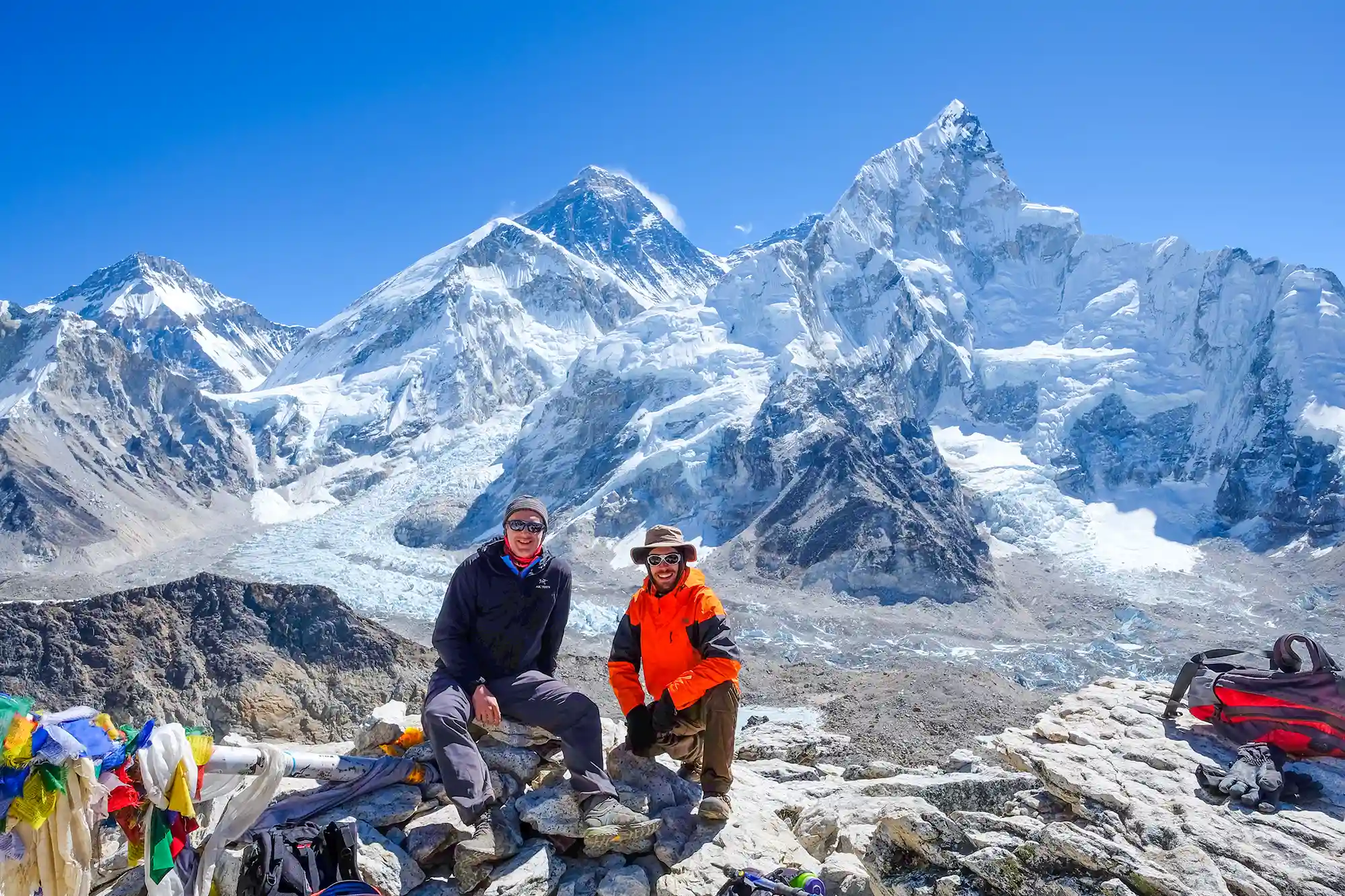
Trekkers on the Everest Base Camp trek gaze up at the majestic snow-capped peak of Mount Everest during their challenging Everest hike in the Himalayas. It is Kala Patthar 5555 meter above sea level

Sherpa Culture and Spiritual Atmosphere

The Everest region is home to the legendary Sherpa community, known worldwide for their mountaineering expertise and deep Buddhist traditions.

Along the trail, trekkers encounter:

  • Ancient monasteries
  • Mani walls
  • Prayer wheels
  • Colorful prayer flags
  • Himalayan hospitality

The spiritual energy of the Khumbu region adds a unique cultural depth to the adventure.

Kala Patthar vs Everest Base Camp

Many trekkers ask:

Which is better — Everest Base Camp or Kala Patthar?

While Everest Base Camp carries historic prestige, Kala Patthar offers:

  • Better Everest views
  • More dramatic scenery
  • Better photography opportunities
  • A stronger summit-like achievement feeling

For many travelers, Kala Patthar becomes the true highlight of the entire trek.

Essential Packing List for Kala Patthar Trek

Trekkers should prepare carefully for Himalayan conditions.

Recommended Gear

  • Down jacket
  • Thermal base layers
  • Waterproof trekking boots
  • Warm gloves
  • Wool hat
  • UV sunglasses
  • Trekking poles
  • Headlamp
  • Reusable water bottles
  • Sleeping bag rated for extreme cold

The weather in the Everest region changes rapidly, especially above 5,000 meters.


How Long Does it Take to Reach Kala Patthar?

A standard Everest Base Camp trek, including Kala Patthar, typically takes:

  • 12–16 days round trip from Lukla

The hike from Gorak Shep to Kala Patthar itself usually takes:

  • 2–3 hours uphill
  • 1–2 hours descent

Travel Tips for Kala Patthar Trek

Important Tips

  • Train before the trek
  • Walk slowly at altitude
  • Carry snacks and hydration
  • Use sunscreen at high elevation
  • Respect local culture
  • Keep buffer days for weather delays

Why Kala Patthar Should Be on Every Adventure Bucket List

Kala Patthar is more than a trekking destination — it is a journey into the heart of the Himalayas.

It combines:

  • Extreme adventure
  • Himalayan beauty
  • Sherpa culture
  • Spiritual landscapes
  • World-class trekking
  • Once-in-a-lifetime Everest views

Standing at Kala Patthar with Everest towering above the clouds is an experience that stays with travelers forever.

For adventure seekers, mountain lovers, photographers, and dreamers, Kala Patthar remains one of the greatest trekking experiences on Earth.

FAQs About Kala Patthar Trek

How high is Kala Patthar?

Kala Patthar stands at 5,545 meters (18,192 ft).

Is Kala Patthar harder than Everest Base Camp?

The Kala Patthar climb is more physically demanding because of the steep ascent and higher altitude.

Can beginners trek to Kala Patthar?

Yes, with proper preparation and acclimatization.

Which is the best season for the Kala Patthar Trek?

Spring and autumn are the best seasons.

Is Kala Patthar a mountain?

It is a famous rocky viewpoint rather than a technical mountain peak.

Do you need climbing permits?

No climbing permit is needed, but Everest region trekking permits are required.

Can you see Everest clearly from Kala Patthar?

Yes — Kala Patthar offers the best close-up view of Everest available to trekkers.

How cold does Kala Patthar get?

Temperatures can fall below -20°C during winter and early mornings.

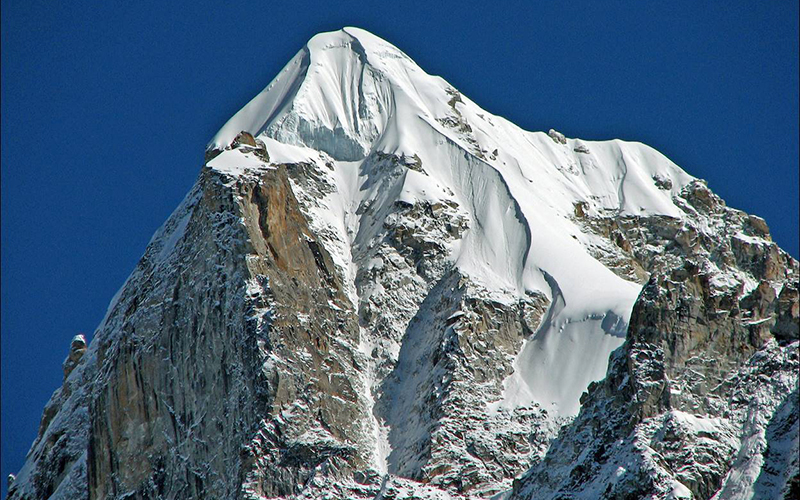
Kayzo Ri Peak Climbing (6,186m): The Ultimate Guide to a Hidden Himalayan Expedition

Kayzo Ri Peak Climbing (6,186m): The Ultimate Guide to a Hidden Himalayan Expedition

Introduction: Beyond Everest’s Crowds

Tucked away in a remote corner of the Everest Region, far from the busy trails leading to Everest Base Camp, lies one of the most underrated alpine adventures in Nepal—the formidable Kayzo Ri Peak.

Rising to 6,186 meters, Kayzo Ri is not just a climb—it’s a journey into raw wilderness. Here, the silence is deeper, the landscapes are untouched, and the experience feels closer to a true expedition than a commercial trek.

For trekkers who have already walked the classic Everest trails and are now craving solitude, technical challenge, and authenticity—Kayzo Ri delivers something rare: adventure without crowds.

Where is Kayzo Ri Peak?

Kayzo Ri is located in the upper Khumbu Valley of northeastern Nepal, near the historic trade routes leading toward Tibet. The journey begins in Kathmandu and quickly transitions into the dramatic alpine terrain of the Sagarmatha National Park.

Unlike mainstream trekking routes, this climb branches off from the busy corridor after Namche Bazaar, leading into the quiet and culturally rich Thame Valley—a region deeply connected to Sherpa heritage and mountaineering history.

The Journey Begins: Kathmandu to Lukla

Every Himalayan story begins with anticipation, and few starts are as thrilling as the flight from Kathmandu to Lukla Airport. Perched dramatically on a mountainside at 2,860 meters, Lukla is often described as one of the most exciting airports in the world.

From here, the rhythm of the trek begins—following the Dudh Koshi River through pine forests, suspension bridges, and small villages where prayer wheels spin and mani stones line the trail.

Into the Heart of Khumbu: Trekking Phase

Lower Trails: Forests, Rivers & Villages

The initial days take you through:

  • Phakding
  • Monjo
  • Entry into Sagarmatha National Park

The trail is alive with:

  • Rhododendron forests
  • Glacial rivers
  • Hanging bridges draped in prayer flags

Namche Bazaar: Gateway to the Himalayas

At 3,440 meters, Namche Bazaar is more than just a stop—it’s an experience. Cafés, bakeries, gear shops, and mountain views blend into a vibrant acclimatization hub.

Here, trekkers begin to feel the altitude, and the journey slows down to allow the body to adapt.

Thame Valley: Entering the Quiet World

Leaving the main Everest trail behind, the route veers toward Thame—a place rich in mountaineering history and spiritual energy.

This is where the transformation happens:

  • Fewer trekkers
  • Deeper silence
  • More authentic cultural encounters

Ancient monasteries, yak pastures, and stone-built homes define the landscape.

Expedition Phase: From Trekking to Climbing

As you move beyond Lungden, the terrain becomes more rugged and isolated. Trails fade into rocky moraine, glaciers, and high alpine camps.

Base Camp & High Camp

  • Establishing a camp in the remote wilderness
  • Training with ropes, crampons, and ice axes
  • Watching weather patterns closely

The nights grow colder, the air thinner, and the stars brighter than anywhere else on Earth.

 Summit Push: The Final Ascent

Summit day begins in darkness—often around 2–3 AM.

Climbers move slowly under headlamps, crossing:

  • Snow slopes
  • Ice ridges
  • Glacier sections

The final ascent demands:

  • Focus
  • Endurance
  • Mental strength

And then, at sunrise…

You stand on the summit of Kayzo Ri.

Summit Views: A Himalayan Panorama

From the top, the world opens in every direction.

You’ll witness breathtaking views of:

  • Mount Everest
  • Makalu
  • Cho Oyu

The horizon stretches endlessly across snow-covered giants—a reward that few ever experience.

Difficulty & Technical Details

Kayzo Ri is not a beginner peak.

Key Challenges:

  • Altitude above 6,000m
  • Technical climbing sections
  • Glacier travel
  • Remote logistics

Required Skills:

  • Use of crampons & ice axe
  • Rope techniques
  • Strong physical conditioning

This is a true expedition-style climb, not just a trek.

Best Time to Climb

Spring (March–May)

  • Stable snow conditions
  • Clear skies
  • Best summit success rates

Autumn (Sept–Nov)

  • Crisp air
  • Excellent visibility

Avoid:

  • Monsoon (rain & landslides)
  • Winter (extreme cold & risk)

Cost Breakdown

Typical expedition cost: $3,000 – $6,000

Includes:

  • Permits & fees
  • Professional guides
  • Food & accommodation
  • Climbing logistics

Excludes:

  • Personal gear
  • Insurance
  • Tips

Altitude & Safety

Climbing at this level exposes trekkers to Acute Mountain Sickness and other risks.

Safety Essentials:

  • Gradual acclimatization
  • Hydration
  • Emergency planning
  • Experienced guide support

Packing Essentials

  • High-altitude down jacket
  • Mountaineering boots
  • Thermal base layers
  • Gloves, goggles, and a helmet
  • Sleeping bag (-20°C or lower)

Cultural Experience: The Sherpa Connection

Beyond the mountains, the journey offers deep cultural immersion.

The Sherpa communities of Khumbu are known for:

  • Hospitality
  • Mountaineering legacy
  • Spiritual traditions

Monasteries, prayer flags, and Buddhist rituals are woven into daily life—adding meaning to every step of the journey.

FAQs – Kayzo Ri Peak

Is Kayzo Ri crowded?
No, it is one of the least crowded peaks in the Everest region.

How long is the expedition?
Typically 18–22 days.

Do I need prior climbing experience?
Yes, basic mountaineering skills are required.

Is it harder than Island Peak?
Yes, it is more remote and slightly more demanding.

General Information

Where is Kayzo Ri Peak located?
Kayzo Ri Peak is located in the upper Khumbu area of northeastern Nepal within the Everest region.

How high is Kayzo Ri Peak?
Kayzo Ri stands at an altitude of 6,186 meters (20,295 ft).

Is Kayzo Ri a trekking peak or an expedition peak?
It is considered a trekking peak but with expedition-style challenges.

Why is Kayzo Ri Peak less popular?
It is remote, less commercialized, and requires technical climbing skills.

What makes Kayzo Ri unique?
It’s untouched trails, solitude, and an authentic Himalayan experience.

Trekking & Route FAQs

Where does the Kayzo Ri trek start?
The journey begins in Kathmandu with a flight to Lukla Airport.

What is the main trekking route to Kayzo Ri?
Via Namche Bazaar → Thame → Lungden → Base Camp.

Is the route similar to Everest Base Camp?
Partially, until Namche Bazaar, then it diverts.

What is the total trekking distance?
Approximately 120–150 km round trip.

How many days are required for Kayzo Ri?
Usually 18–22 days, including acclimatization.

Difficulty & Technical FAQs

How difficult is Kayzo Ri Peak climbing?
It is challenging due to altitude, technical sections, and remoteness.

Do I need mountaineering experience?
Yes, basic skills like using crampons and ice axe are required.

Is Kayzo Ri harder than Island Peak?
Yes, it is more remote and slightly more technical than Island Peak.

What technical skills are required?

  • Rope handling
  • Ice climbing basics
  • Glacier travel

What is the summit day like?
A long and demanding climb starting early morning with snow and ice sections.

Best Time & Weather FAQs

What is the best season for Kayzo Ri?
Spring (March–May) and Autumn (September–November).

Can Kayzo Ri be climbed in winter?
Possible but extremely cold and risky.

Is the monsoon season suitable?
No, due to rain, clouds, and landslides.

What is the temperature at High Camp?
Can drop below -20°C.

Altitude & Safety FAQs

What is the biggest risk during the climb?
Acute Mountain Sickness.

How do I prevent altitude sickness?

  • Acclimatize properly
  • Stay hydrated
  • Ascend gradually

Is Kayzo Ri safe?
Yes, with proper preparation and experienced guides.

Do I need travel insurance?
Yes, covering high-altitude trekking and evacuation.

Cost & Budget FAQs

How much does the Kayzo Ri expedition cost?
Between $3,000 and $6,000.

What is included in the cost?

  • Permits
  • Guide & staff
  • Meals & accommodation
  • Climbing logistics

Are there extra expenses?
Yes, including gear, tips, and personal costs.

Permits & Regulations FAQs

What permits are required?

  • Nepal Mountaineering Association permit
  • Sagarmatha National Park entry permit
  • Local permit

Where can I get these permits?
In Kathmandu or through trekking agencies.

Accommodation & Food FAQs

What type of accommodation is available?
Teahouses in lower areas, camping at higher altitudes.

What food is available during the trek?
Dal Bhat, noodles, soups, rice, and energy meals.

Packing & Gear FAQs

What gear is required for Kayzo Ri?

  • Mountaineering boots
  • Crampons
  • Ice axe
  • Down jacket

Can I rent gear in Kathmandu?
Yes, most equipment is available in Kathmandu.

Logistics & Travel FAQs

How do I reach the Everest Region?
Flight from Kathmandu to Lukla Airport.

Is the Lukla flight safe?
Yes, but weather-dependent.

Are there alternative routes?
Yes, via Phaplu or Salleri (longer trek).

Experience & Culture FAQs

What cultural experiences can I expect?
Sherpa villages, monasteries, and Buddhist traditions.

 What is special about Thame village?
It is a historic Sherpa settlement with a strong mountaineering heritage.

Comparison FAQs

Is Kayzo Ri better than Everest Base Camp?
It depends—Kayzo Ri offers more adventure and fewer crowds than the Everest Base Camp Trek.

How does Kayzo Ri compare to Mera Peak?
Mera Peak is higher but less technical; Kayzo Ri is more remote.

Is Kayzo Ri good for photography?
Yes, it offers untouched landscapes and panoramic Himalayan views.

Is the internet available during the trek?
Limited in lower regions, none at higher camps.

Is Kayzo Ri a good acclimatization peak?
Yes, for climbers preparing for higher expeditions.

What is the success rate of Kayzo Ri?
Depends on weather, fitness, and acclimatization.

Do I need a guide for Kayzo Ri?
Yes, highly recommended for safety and navigation.

Final Thoughts: Why Kayzo Ri is Special

In a region dominated by famous names and busy trails, Kayzo Ri remains a hidden treasure.

It offers:

  • Raw adventure
  • True solitude
  • Authentic Himalayan experience

For those willing to step beyond the ordinary, Kayzo Ri is not just a climb—it’s a story worth telling for a lifetime.

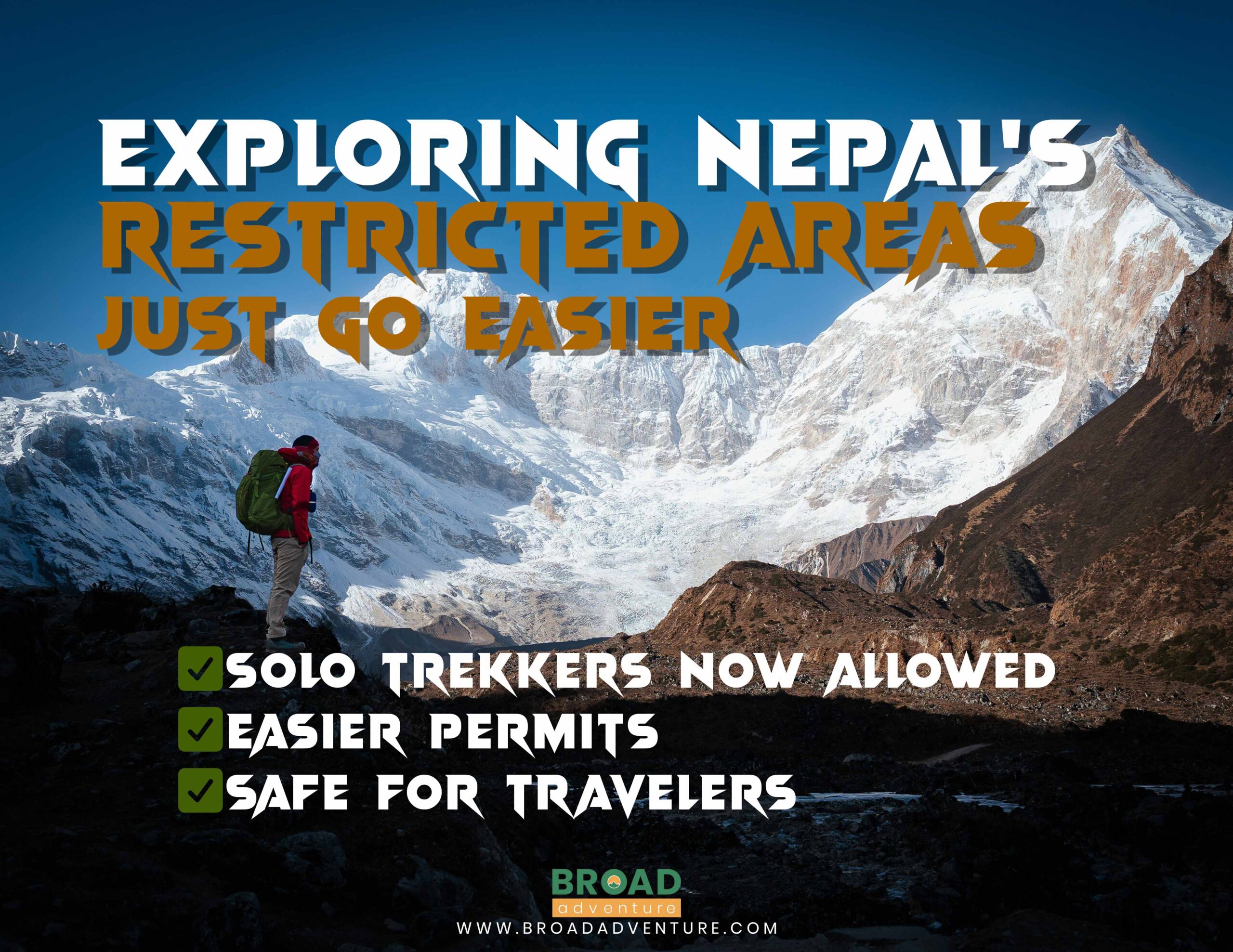
Nepal Allows Solo Permits for Restricted Area Trekking

Nepal’s new Solo Permits policy for 2026 has finally opened the country’s restricted Himalayan regions to individual trekkers, ending the long-standing two-person rule that kept solo adventurers out of Upper Mustang, Upper Dolpa, and Manaslu.

For years, destinations like Upper Mustang required at least two trekkers on one permit. With the Department of Immigration update announced on March 23, 2026, Solo Permits can now be issued to a single foreign traveler. It is not fully independent trekking — a licensed guide and registered agency are still mandatory —, but it is the most accessible form of guided solo travel Nepal has ever allowed.

At Broad Adventure, we are already processing the first wave of Solo Permits for 2026 departures.

What Are Solo Permits in Nepal?

Solo Permits are Restricted Area Permits (RAPs) issued to one person instead of a group. They apply to 15 restricted zones across 13 districts, primarily along the Nepal–China border, created to protect:

  • Unique Tibetan-influenced cultures and indigenous traditions
  • Fragile high-altitude ecosystems
  • Sensitive border security areas

You still need a special RAP from the Department of Immigration, not just a TIMS card or national park ticket.

Solo Permits: What Changed in 2026?

Previously, RAPs were issued only to groups, effectively blocking solo trekking in border regions.

Under the 2026 Solo Permits update:

  • Solo foreign trekkers can now obtain permits for restricted areas
  • The minimum group size of two is removed
  • Permits must be arranged through a registered trekking agency
  • A licensed trekking guide is mandatory for every Solo Permit holder

This marks a major shift from “no solo” to “solo with support.”

How Solo Permits Work: Rules You Must Still Follow

Solo Permits give you freedom on the trail, not freedom from regulation:

  • Agency only: All Solo Permits must be processed by a Nepal-registered trekking agency
  • Guide mandatory: Your agency provides a government-licensed guide who is legally responsible for safety and emergency rescue
  • Guide ratio: 1 licensed guide can lead up to 7 trekkers, including solo clients
  • No independent entry: You cannot apply at the immigration office alone or trek without a guide

These rules ensure Solo Permits improve safety rather than increase rescues.

Solo permits -Now a solo trekker can trek any restricted area of Nepal.


Solo Permits and the New Digital System

The biggest practical win for Solo Permits is the fully digital application:

  • Apply from abroad using your visa Application Submission ID
  • Apply in Nepal using your visa number
  • Faster approvals and less paperwork for solo travelers

You can secure your Solo Permit before arriving in Kathmandu, which is ideal for tight schedules.

Best Treks to Use Your Solo Permit

1. Upper Mustang with Solo Permits – The “Last Forbidden Kingdom.” Lo Manthang, desert cliffs, and 15th-century monasteries. Perfect for a 7–10 day solo cultural trek.

2. Upper Dolpa with Solo Permits – Shey Phoksundo Lake, Bon villages, and Nepal’s most remote trails.

3. Manaslu Circuit & Tsum Valley – A serious alternative to Everest, with fewer crowds and authentic Gurung culture.

4. Nar Phu Valley – Hidden valleys north of Annapurna with strong Tibetan influence.

5. Kanchenjunga Base Camp – Eastern Nepal wilderness under the world’s third-highest peak.

2026 Solo Permits Cost Table

These are official RAP fees for Solo Permits. Park and conservation fees are extra.

Region

2026 Solo Permit Cost

Upper Mustang

USD 50 per person per day

Upper Dolpa

USD 500 for the first 10 days, then USD 50 per day

Manaslu

Sep–Nov: USD 100 per week + USD 15 per day; Dec–Aug: USD 75 per week + USD 10 per day

Nar Phu Valley

Sep–Nov: USD 100 per week + USD 15 per day; Dec–Aug: USD 75 per week + USD 15 per day

Tsum Valley

Sep–Nov: USD 40 per week + USD 7 per day; Dec–Aug: USD 30 per week + USD 7 per day

Kanchenjunga

USD 20 per week for the first 4 weeks, then USD 25 per week

Lower Dolpa

USD 20 per week + USD 5 per day

Humla

USD 50 per week + USD 10 per day

Makalu

USD 20 per week for the first 4 weeks, then USD 25 per week

Note: Upper Mustang’s Solo Permit fee dropped from a flat USD 500 to USD 50 per day in late 2025, making short solo trips far more affordable.

Why Solo Permits Matter for Nepal Tourism

  • Solo Permits boost remote-region tourism without compromising safety
  • They create year-round jobs for licensed local guides
  • They give experienced solo travelers legal access instead of risky workarounds
  • They support sustainable tourism by keeping permits agency-controlled

Get Your Solo Permit with Broad Adventure

Broad Adventure specializes in Solo Permits for Nepal’s restricted areas. We provide:

  • Pre-arrival Solo Permit processing through the digital system
  • Handpicked licensed guides for solo trekkers
  • Full logistics, accommodation, and emergency support
  • Custom itineraries for Upper Mustang, Dolpa, Manaslu, and Nar Phu

Whether you want 10 days in Mustang or 3 weeks across Dolpa, we handle your Solo Permit from start to finish so you can trek with confidence and independence.

Ready to apply for your 2026 Solo Permit? Contact Broad Adventure today and start planning your solo Himalayan journey.

Top 7 Treks in Nepal You Can Actually Complete in a Week

Nepal is synonymous with trekking — home to eight of the world’s highest peaks and a tapestry of diverse cultures. But not every traveler has weeks to spare for a long expedition like Everest Base Camp or Annapurna Circuit.

The good news? Some of Nepal’s most breathtaking trails can be completed in 5 to 7 days, without compromising on mountain views, cultural encounters, or that pure Himalayan adventure spirit.

Here are the top 7 treks in Nepal you can actually complete in a week, handpicked for accessibility, beauty, and unforgettable experience.

 1. Ghorepani Poon Hill Trek (4–5 Days)

Region: Annapurna
Start/End: Nayapul – Ghandruk/Pokhara
Max Elevation: 3,210 m (Poon Hill)
Difficulty: Easy to Moderate

Overview

The Poon Hill Trek is often called the “mini Annapurna Circuit” — short, easy, and incredibly scenic. Starting from Nayapul, the trail winds through terraced fields, rhododendron forests, and traditional Gurung and Magar villages like Ulleri and Ghorepani.

At dawn, trekkers climb to Poon Hill Viewpoint, where the first rays of sun strike Annapurna, Dhaulagiri, and Machapuchare (Fishtail) — an unforgettable Himalayan panorama.

Highlights

  • Mesmerizing sunrise over the Annapurna & Dhaulagiri ranges
  • Cozy teahouses and warm local hospitality
  • Easily accessible from Pokhara, no domestic flight needed

Ideal For: First-time trekkers, families, or short holiday travelers

Best Season: October–December, March–May

Ghorepani Poon Hill Trek A short trek in Nepal

2. Langtang Valley Trek (6–7 Days)

Region: Langtang National Park
Start/End: Syabrubesi
Max Elevation: 4,773 m (Kyanjin Ri)
Difficulty: Moderate

Overview

Just a 6–7-hour drive from Kathmandu, the Langtang Valley Trek offers a Himalayan experience without long travel days. Known as the “Valley of Glaciers”, the route follows the Langtang River through bamboo forests, yak pastures, and Tamang villages before reaching Kyanjin Gompa.

Trekkers often hike up Kyanjin Ri or Tserko Ri for jaw-dropping 360° views of Langtang Lirung and the surrounding snow peaks.

Highlights

  • Quick access from Kathmandu (no flight needed)
  • Explore Tamang & Tibetan Buddhist culture
  • Scenic climbs to glacial viewpoints
  • Perfect balance of nature, culture, and challenge

Ideal For: Intermediate trekkers seeking offbeat beauty close to Kathmandu

Best Season: Spring and Autumn

Langtang-Himalaya-along-the-trail-scaled

 3. Mardi Himal Trek (5–6 Days)

Region: Annapurna
Start/End: Kande or Dhampus – Siding
Max Elevation: 4,500 m (Mardi Himal Base Camp)
Difficulty: Moderate

Overview

Hidden just east of the popular Annapurna Base Camp trail, the Mardi Himal Trek is a peaceful alternative that has gained fame for its stunning ridge walks and close-up views of Machapuchare (Fishtail).

The route begins from Kande or Dhampus, climbing gradually through Pothana, Forest Camp, and High Camp before reaching the Mardi Himal Base Camp, perched dramatically beneath the peaks.

Highlights

  • Intimate, uncrowded experience with panoramic mountain views
  • Perfect combination of forest trails and alpine ridges
  • Beautiful sunrise from High Camp overlooking Annapurna South

Ideal For: Trekkers who want solitude and big scenery in short time

Best Season: September–November, March–May

Short Hike and Trek List of Hotels on the Mardi Himal Base Camp Trek Mardi_Himal-Trek_Annapurna_Trekking-Region copy

 4. Gosaikunda Lake Trek (5–6 Days)

Region: Langtang
Start/End: Dhunche or Sundarijal
Max Elevation: 4,380 m (Gosaikunda Lake)
Difficulty: Moderate

Overview

Gosaikunda Lake, perched high in the Langtang Himal, is one of Nepal’s most sacred lakes. The trek blends natural beauty with deep spirituality — the turquoise lake is believed to have been created by Lord Shiva himself.

The trail ascends through oak and pine forests, Tamang villages, and alpine meadows before revealing the shimmering blue waters of Gosaikunda surrounded by snow-capped peaks.

Highlights

  • Sacred alpine lake revered by Hindus and Buddhists
  • Stunning views of Langtang Lirung and Ganesh Himal
  • Cultural encounters in Tamang villages
  • Optional connection to Helambu route

Ideal For: Adventurous trekkers seeking spiritual and scenic depth

Best Season: March–May, September–November

Gosaikunda Trek - A best short trek in Nepal

 5. Helambu Trek (5–6 Days)

Region: Langtang
Start/End: Sundarijal – Melamchi Pul Bazaar
Max Elevation: 3,650 m
Difficulty: Easy

Overview

Located just north of Kathmandu, the Helambu Trek is an excellent short trek for those seeking culture, easy walking days, and green landscapes.

The route passes through Shivapuri National Park, charming Sherpa and Tamang villages, and ancient monasteries surrounded by rhododendrons. It’s a relatively low-altitude trek, meaning no major acclimatization needed.

Highlights

  • Close proximity to Kathmandu (1-hour drive to start)
  • Explore Sherpa culture and Buddhist monasteries
  • Gentle gradients and pleasant trails
  • Great teahouse accommodation options

Ideal For: Beginners, families, and cultural travelers

Best Season: Year-round except monsoon (June–August)

Helambu Trek- Ama Yangri

6. Dhampus – Australian Camp Trek (2–3 Days)

Region: Annapurna
Start/End: Phedi – Kande
Max Elevation: 2,100 m
Difficulty: Easy

Overview

This short trek is perfect for travelers staying in Pokhara who want a taste of mountain trekking without days of walking. In just two to three days, you’ll experience Himalayan sunsets, picturesque villages, and the panoramic ridges of the Annapurna range.

From Phedi, a short climb leads to Dhampus Village, followed by an easy walk to Australian Camp, one of the best viewpoints in lower Annapurna.

Highlights

  • 360° views of Annapurna, Dhaulagiri, and Machapuchare
  • Easy trail suitable for all ages
  • Excellent for photography and sunrise lovers

Ideal For: Families, beginners, or travelers on tight schedules

Best Season: All year round

a mountain range in the distance Dhampus Trek

 7. Everest View Trek (5–7 Days)

Region: Khumbu (Everest Region)
Start/End: Lukla – Namche – Tengboche – Lukla
Max Elevation: 3,870 m (Hotel Everest View)
Difficulty: Moderate

Overview

If seeing Mount Everest is on your bucket list but you’re short on time, the Everest View Trek delivers exactly that — a rewarding Himalayan experience in less than a week.

A short flight from Kathmandu takes you to Lukla, from where you trek through suspension bridges, pine forests, and Sherpa villages to Namche Bazaar — the gateway to Everest. From the Hotel Everest View or Tengboche Monastery, you’ll witness stunning vistas of Everest, Lhotse, and Ama Dablam.

Highlights

  • Panoramic views of Mount Everest and surrounding peaks
  • Experience Sherpa culture and monasteries
  • Perfect short version of Everest Base Camp Trek
  • Scenic flight to Lukla

Ideal For: Adventurous travelers wanting Everest views without long expedition

Best Season: October–December, March–May

Everest View Hotel - Gokyo Valley to Everest base Camp

 Best Time for Short Treks in Nepal

Season Months Highlights
Autumn Oct–Dec Clear skies, pleasant temperatures, ideal for photography
Spring Mar–May Rhododendrons bloom, green landscapes
Winter Jan–Feb Cold mornings, fewer crowds
Monsoon Jun–Aug Lush scenery but muddy trails & limited visibility

Essential Tips for a 1-Week Trek in Nepal

  • Hire a licensed guide or porter for local insights and safety.
  • Obtain TIMS and National Park Permits in Kathmandu or Pokhara.
  • Pack light but smart: layers, down jacket, trekking poles, headlamp, reusable bottle.
  • Stay hydrated and ascend gradually to avoid altitude sickness.
  • Respect local customs — a “Namaste” goes a long way.

Final Thoughts

Nepal is not just for hardcore mountaineers — it’s for anyone who dreams of walking amidst the Himalayas, even with just a week in hand. From the iconic sunrise of Poon Hill to the tranquil spirituality of Gosaikunda and the mighty Everest panorama, these short treks deliver the essence of Nepal in compact, unforgettable adventures.

Whether you’re a first-time visitor or a seasoned traveler, these 7 treks prove that the magic of Nepal fits perfectly into one adventurous week.

Celebrating World Tourism Day: Travel as a Pathway to Connection and Change

Every year on September 27, the world comes together to celebrate World Tourism Day — a reminder that travel is not just about moving across borders, but about building bridges between people, cultures, and nature.

Tourism is often described as a journey outward, but in truth, it is also a journey inward. Each trip reshapes how we see the world and ourselves. On this special day, let’s pause to reflect on the deeper meaning of travel and why it matters more than ever

Beyond Destinations: The Spirit of Travel

Travel is not measured only in kilometers covered but in stories collected, friendships formed, and lessons learned. A quiet sunrise over the Himalayas, a warm smile in a village tea house, or the sound of waves breaking on a distant shore — these moments remind us that the world is vast, diverse, and interconnected.

Tourism with Responsibility

This year, as conversations around sustainability grow louder, World Tourism Day invites us to think about our footprint as travelers. True exploration means leaving a place better than we found it:

  • Choosing local homestays that support families.

  • Respecting cultural traditions and natural landscapes.

  • Practicing mindful travel, where experiences matter more than checklists.

Responsible tourism ensures that future generations can enjoy the same pristine mountains, vibrant cultures, and welcoming communities that inspire us today.

 Travel as a Global Connector

Tourism has the power to break barriers. It teaches us that despite differences in language, dress, or cuisine, people everywhere share the same hopes — for happiness, peace, and dignity. From bustling cities to remote valleys, travel reminds us that humanity is one family spread across many homes.

Why This Day Matters

World Tourism Day is not just a date on the calendar; it’s a call to action. It asks travelers, policymakers, and communities to:

  • Make tourism inclusive and fair.

  • Ensure that local people benefit from global visitors.

  • Protect cultural heritage and natural wonders.

It’s about reimagining tourism as a force for good — not only for economies but for societies and ecosystems.

A Personal Invitation

As you dream about your next adventure, ask yourself:

  • How can my journey uplift the communities I visit?

  • What stories will I carry home and share?

  • How can I make travel not just a personal escape, but a shared celebration of humanity?

This World Tourism Day, let’s pledge to travel with open eyes, open hearts, and open hands — because the world is not just to be seen, but to be cherished and cared for.

Happy World Tourism Day 2025! Wherever your road takes you, may it bring peace, purpose, and unforgettable connections.

Why You Should Not Trek in Nepal

Nepal is a bucket-list destination for adventure travelers. With its towering Himalayan peaks, iconic trails like the Everest Base Camp and Annapurna Circuit, and vibrant local culture, it’s easy to see why trekking here is often considered a once-in-a-lifetime experience. Yet, trekking in Nepal isn’t for everyone—and that’s perfectly fine

1. The Realities of High-Altitude Trekking

Trekking in Nepal often means climbing trails that reach dizzying altitudes. The thin Himalayan air can cause altitude sickness, fatigue, or even more serious health issues for those unprepared. While reaching the world’s highest peak’s base camp  is exhilarating, respecting your body’s limits is essential. Choosing not to trek can be a wise decision, but for those who do, high-altitude trekking teaches patience, mindfulness, and a profound respect for nature’s power.

Everest Base Camp Standard Trek - One the most selling and demanding trekking routes worldwide. Everest Base Camp Trek - A great itinerary of your lifetime achievement.

2. Rustic Trails and Authentic Experiences

Nepalese trekking trails are rarely luxurious in terms of modern facilities, though many travelers still find the experience itself deeply rewarding—and even a kind of luxury—despite the challenges. Tea houses along the Everest Base Camp or Annapurna Circuit may lack consistent Wi-Fi, hot showers, or gourmet meals. Yet, this rustic charm creates a truly authentic travel experience. Trekking here allows you to connect with Sherpa guides, experience local cuisine, and witness the unique Himalayan lifestyle—experiences you can’t find in a conventional resort.

3. Weather That Keeps You on Your Toes

The weather in Nepal’s mountains is famously unpredictable. One day might bring clear skies and breathtaking views of Annapurna or Everest; the next might envelop the landscape in fog or snow. For some, this unpredictability can be frustrating. But for those who embrace it, it adds an element of adventure and teaches flexibility, resilience, and the joy of discovering sudden, magical vistas hidden among the clouds.

Gokyo Full Moon Program 2025

4. Trekking Is More Than Just a Hike

Nepal treks are physically demanding and emotionally intense. Long days on steep, uneven trails, carrying heavy backpacks, and navigating remote terrain require stamina and mental strength. While avoiding a trek can spare sore muscles or exhaustion, trekking in Nepal offers personal growth, unforgettable memories, and a rare chance to immerse yourself in Himalayan culture, nature, and self-reflection.

5. Responsible Tourism and Environmental Awareness

Nepal’s fragile mountain ecosystems and local communities are affected by tourism. Trekking responsibly means supporting local businesses, minimizing waste, and respecting cultural traditions. Choosing not to trek may feel safer, but opting for sustainable travel allows you to enjoy the Himalayas while contributing positively to the environment and local livelihoods—a meaningful way to experience Nepal beyond just sightseeing.

Gokyo-Lake-Full Moon Program 2025

Conclusion: Pause, Prepare, or Trek

Deciding not to trek in Nepal can be a thoughtful, safe choice, especially for first-time travelers, those with health concerns, or anyone unprepared for high-altitude challenges. Yet, the mountains beckon those ready for adventure, offering lessons in resilience, mindfulness, and cultural immersion. Whether you pause, plan for the future, or embark on a trek today, Nepal promises experiences that go far beyond the ordinary—a journey that touches the body, mind, and soul.

Beyond the Summit: Why the Everest Base Camp Trek is the Journey of a Lifetime

Where Earth Touches the Sky

The air is thin, sharp with pine, incense, and the faint flutter of prayer flags. Before you rises a wall of impossible white — jagged Himalayan peaks clawing at a sky so blue it feels infinite. This isn’t just a mountain; it’s a feeling. A sense of standing at the edge of the world, where ancient rock collides with the heavens.

Mount Everest — Sagarmatha to the Nepali people and Chomolungma to Tibetans — is far more than the world’s highest peak. At 8,848.86 meters (29,031.7 feet), it is a spiritual symbol, a cultural anchor, and the ultimate bucket-list destination for adventurers. While only a select few climb to the summit, the trek to Everest Base Camp (EBC) is a life-changing journey accessible to anyone with determination, curiosity, and a love for the outdoors.

Where in the World is Mount Everest?

Mount Everest straddles the border between Nepal and the Tibet Autonomous Region of China, giving rise to two distinct approaches to its base camps. Each side offers not only breathtaking landscapes but also rich cultural encounters.

The Southern Route: Trekking to Everest Base Camp in Nepal

The classic Everest Base Camp Trek in Nepal is the most iconic way to experience the mountain. Your journey begins with a thrilling flight to Lukla, one of the world’s most dramatic airstrips. From there, the trail winds through lush valleys, roaring rivers, and legendary Sherpa villages.

  • Namche Bazaar: A vibrant Sherpa town where trekkers acclimatize and soak in views of Everest for the first time.

  • Tengboche Monastery: A spiritual highlight where monks chant prayers under the shadow of Ama Dablam.

  • Khumbu Glacier & Base Camp: The final stretch leads to the foot of Everest itself, where climbers prepare for their summit bids.

Along the way, trekkers stay in cozy teahouses, cross suspension bridges draped in prayer flags, and gain insights into Sherpa traditions and Himalayan resilience. It’s a physical challenge — but also a deeply cultural and spiritual experience.

The Northern Route: Exploring Everest from Tibet

For a different perspective, the North Everest Base Camp in Tibet offers awe-inspiring views of Everest’s formidable north face. Unlike Nepal, this route is usually reached by vehicle across the vast Tibetan Plateau.

The Tibetan side doesn’t offer the same village-to-village trekking, but what it lacks in trails, it makes up for in panoramic landscapes and cultural immersion in Tibetan Buddhist traditions. The journey across high-altitude plateaus and visits to ancient monasteries give a sense of Everest’s sacred place in Tibetan spirituality.

⚠️ Note: Access to the north side is more restricted and often requires special permits, making the Nepali side more popular for trekkers.

Why Trek to Everest Base Camp?

  • Bucket-List Adventure: Few journeys match the sense of achievement of standing at the base of the world’s tallest mountain.

  • Cultural Immersion: Stay with Sherpa families, visit monasteries, and witness Himalayan traditions up close.

  • Natural Wonder: From rhododendron forests to glaciers and soaring peaks, every step reveals a new landscape.

  • Personal Challenge: The trek is not just physical; it’s a journey of resilience, patience, and self-discovery.

Practical Details for Trekkers

  • Best Time to Trek: Pre-monsoon (March–May) and post-monsoon (September–November).

  • Duration: Typically 12–14 days from Kathmandu to Base Camp and back.

  • Difficulty: Moderate to challenging — altitude acclimatization is key.

  • Accommodation: Teahouses and lodges along the trail offer simple but warm hospitality.

A Call to Adventure

Mount Everest is not just a mountain — it’s a call. Whether you dream of trekking for weeks through the Khumbu, crossing into Tibet for sweeping north-face views, or even taking a scenic mountain flight, seeing Everest in person is an experience that will stay with you forever.

🌍 Have you dreamed of standing in the shadow of Everest? Share what excites you most about a Himalayan adventure in the comments below — your journey might begin with a single step.

Immerse Yourself in the Vibrant Chaos of Bisket Jatra and Sindur Jatra in Nepal

Bisket Jatra and Sindur Jatra are two of the most exhilarating and culturally rich festivals celebrated in the Kathmandu Valley, Nepal. For travelers seeking an authentic and unforgettable experience, witnessing these back-to-back celebrations offers a deep dive into Nepali traditions, vibrant colors, and ancient rituals.

Bisket Jatra: Witness the Thrilling Chariot Processions

Bisket Jatra, primarily celebrated in Bhaktapur, but also with unique observances in Thimi and Bode, marks the end of the Nepali solar calendar and the dawn of the New Year. The name itself, “Bisket,” signifies the “killing of the serpent,” rooted in a fascinating legend of vanquishing serpent kings.

The highlight of Bisket Jatra in Bhaktapur is the dramatic procession of massive wooden chariots carrying the revered idols of the god Bhairava and goddess Bhadrakali. Hundreds of enthusiastic devotees engage in a thrilling tug-of-war, pulling these towering structures through the narrow, winding streets. The sheer energy and devotion on display are truly captivating.

A central ritual of the Bhaktapur Bisket Jatra is the erection and subsequent lowering of a tall wooden pole, the lingo, at Pottery Square. This symbolic act represents the triumph over evil and the welcoming of a prosperous New Year.

Tourists enjoying the vibrant and messy celebration of Sindur Jatra with participants covered in red powder.Children are enjjoyign the festival - Sindur Jatra

Sindur Jatra: A Riot of Colors and Joyful Celebrations

Seamlessly blending with the Bisket Jatra festivities, particularly in Thimi, is the vibrant Sindur Jatra. “Sindur” refers to the auspicious red vermillion powder, and this festival transforms the streets into a breathtaking spectacle of crimson.

Imagine throngs of joyous locals, their faces and clothing completely saturated in vibrant red. The air buzzes with laughter, traditional Newari music, and the rhythmic beat of drums. Deities from various local shrines are carried through the town in ornate palanquins, with devotees offering prayers and showering each other – and the deities – with the auspicious sindur.

Sindur Jatra is an explosion of communal joy and celebration. It’s a time to shed worries, embrace the festive spirit, and revel in the vibrant hues believed to bring good fortune, health, and prosperity for the coming year.

Planning Your Trip to Experience Bisket Jatra and Sindur Jatra:

  • Timing is Crucial: Bisket Jatra and Sindur Jatra typically occur in mid-April, coinciding with the Nepali New Year. Be sure to check the precise dates each year as they follow the lunar calendar.
  • Key Locations: To witness the grand chariot processions of Bisket Jatra, head to Bhaktapur. For the most immersive Sindur Jatra experience, Thimi is the place to be.
  • Prepare for Crowds: These popular festivals draw large numbers of people. Be prepared for crowded streets and navigate with patience.
  • Dress Comfortably: Opt for comfortable clothing that you won’t mind getting stained with sindur if you plan to participate actively in Sindur Jatra.
  • Respect Local Traditions: Observe the rituals with respect and seek permission before taking close-up photographs.
  • Stay Hydrated: April in Nepal can be warm. Carry water to stay hydrated.
  • Embrace the Energy: The atmosphere of both Bisket Jatra and Sindur Jatra is vibrant and energetic. Immerse yourself in the experience and enjoy the unique cultural spectacle.

Devotees joyfully covered in vibrant red sindur (vermilion powder) during Sindur Jatra.

Why Bisket Jatra and Sindur Jatra are a Must-See:

Experiencing Bisket Jatra and Sindur Jatra offers a unique window into the rich cultural tapestry of Nepal. These festivals are not just visual spectacles; they are living traditions that connect communities, celebrate ancient myths, and welcome the new year with unparalleled enthusiasm. For travelers seeking an authentic and exhilarating cultural adventure, the vibrant chaos and deep-rooted traditions of Bisket Jatra and Sindur Jatra are an absolute must-see. Plan your trip and prepare to be captivated by the heart and soul of Nepal.

The vibrant and messy celebration of Sindur Jatra with participants covered in red powder.

Everest Base Camp Trek Distance Guide

Everest Base Camp Trek Distance Guide: From Lukla to the Roof of the World

Embark on the adventure of a lifetime with the Everest Base Camp trek, a journey that takes you through stunning landscapes, vibrant Sherpa villages, and high-altitude challenges. Here’s a breakdown of the distances and walking hours, ensuring you’re well-prepared for each step of this unforgettable trek.

Lukla to Phakding

  • Distance: 8 km (5 miles)

  • Walking Time: 3-4 hours

  • Elevation: 2,860 m to 2,610 m

A gentle start to your adventure, this section takes you through lush forests and charming Sherpa villages along the Dudh Koshi River.

Phakding to Namche Bazaar

  • Distance: 10.5 km (6.5 miles)

  • Walking Time: 6-7 hours

  • Elevation: 2,610 m to 3,440 m

A more challenging ascent, offering stunning views of Everest and other peaks as you approach the bustling Sherpa town of Namche Bazaar.

Namche Bazaar (Acclimatization Day)

  • Walking Time: Short hike to Everest View Hotel (optional)

  • Elevation: 3,440 m

Take a day to acclimatize, with a hike to the Everest View Hotel for some of the best panoramic views in the region.

Namche Bazaar to Tengboche

  • Distance: 10 km (6.2 miles)

  • Walking Time: 5-6 hours

  • Elevation: 3,440 m to 3,860 m

Today’s trek leads you through beautiful forests and open meadows, with a visit to the Tengboche Monastery, where you’ll be surrounded by breathtaking Himalayan views.

Tengboche to Dingboche

  • Distance: 11 km (6.8 miles)

  • Walking Time: 5-6 hours

  • Elevation: 3,860 m to 4,410 m

A steady climb takes you into the alpine environment, where you’ll be surrounded by stunning mountain views, including the majestic Ama Dablam.

Dingboche (Acclimatization Day)

  • Walking Time: Optional hike to Nangkartshang (5121m)

  • Elevation: 4,410 m

Another crucial acclimatization stop to help your body adjust, with an optional hike offering more views of Makalu, Lhotse, and the surrounding peaks.

Dingboche to Lobuche

  • Distance: 7.5 km (4.6 miles)

  • Walking Time: 5-6 hours

  • Elevation: 4,410 m to 4,940 m

The trek continues through rugged terrain, with views of the Khumbu Glacier and memorials to fallen climbers marking the way.

Lobuche to Everest Base Camp

  • Distance: 8.5 km (5.3 miles)

  • Walking Time: 7-8 hours

  • Elevation: 4,940 m to 5,364 m

Today is the highlight of the trek, as you reach Everest Base Camp. Although Everest itself isn’t directly visible from the base camp, the surrounding glaciers and peaks make for an unforgettable experience.

Everest Base Camp to Gorak Shep

  • Distance: 3.5 km (2.2 miles)

  • Walking Time: 3-4 hours

  • Elevation: 5,364 m to 5,164 m

After spending time at Base Camp, you’ll return to Gorak Shep, where the views of the Khumbu Icefall and surrounding peaks are simply stunning.

Gorak Shep to Kala Patthar, then to Pangboche

  • Distance: 13 km (8 miles)

  • Walking Time: 7-8 hours

  • Elevation: 5,164 m to 5,545 m (Kala Patthar) to 3,930 m (Pangboche)

The early morning hike to Kala Patthar is one of the most rewarding parts of the trek, offering breathtaking sunrise views of Everest. Then, begin your descent to Pangboche, where you’ll spend the night.

Pangboche to Namche Bazaar

  • Distance: 13 km (8 miles)

  • Walking Time: 6-7 hours

  • Elevation: 3,930 m to 3,440 m

This section takes you downhill through pine forests, with glimpses of Everest and other peaks along the way as you head back to Namche Bazaar.

Namche Bazaar to Lukla

  • Distance: 18-20 km (11-12 miles)

  • Walking Time: 6-7 hours

  • Elevation: 3,440 m to 2,860 m

The final stretch takes you back to Lukla, where you’ll celebrate the end of your trek with fellow trekkers. The trail descends gently, passing through the same beautiful landscapes you encountered on your way up.


Key Tips for the Trek:

  • Altitude: Pay attention to acclimatization to prevent altitude sickness. Stick to the planned itinerary and take it slow.

  • Preparation: The trek requires a good level of fitness, so long walks and uphill climbs are essential in your training.

  • Packing: Make sure to pack essential items like a down jacket, trekking boots, sunscreen, and a good camera to capture the magnificent views.

  • Health: Stay hydrated, eat plenty, and be mindful of any symptoms of altitude sickness.

With this guide, you’re all set to embark on your Everest Base Camp adventure, knowing exactly what to expect each day. From the incredible views to the warm hospitality of the Sherpa people, every step of the trek will leave you with memories for a lifetime.

Ready to start your journey? Let Broad Adventure take you on this life-changing experience!

chat-in-website
Need Help? Chat with us
chat-in-website
Need Help? Chat with us